Digital Consent Platform Sees 5,000 Join Rare Disease Research
A new digital platform in Sweden is making it easier for patients to share their health data for rare disease research, with over 5,000 people now registered to help scientists find answers. When patients feel informed and involved, their willingness to contribute soars to 94%.
Thousands of people with rare diseases are saying yes to research, thanks to a digital platform that makes sharing health data simple and secure.
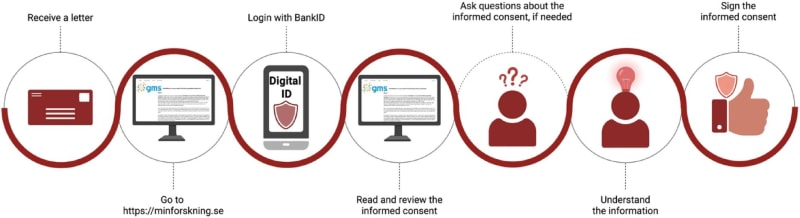
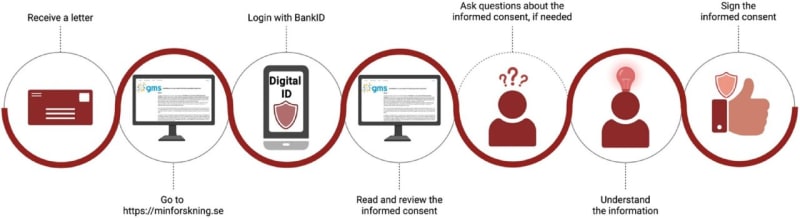
Researchers at Sweden's Karolinska Institutet tested an electronic consent system across three cities, inviting over 2,200 patients who'd undergone whole-genome sequencing to join research efforts. The digital platform lets people give permission for their health data to be used in studies while keeping full control over their information.
The results reveal something powerful about human generosity. When patients understood how their participation could help, their willingness to contribute skyrocketed. In one patient group working closely with advocacy organizations, 94% chose to participate in research.
Around 30% of adult patients opted for the digital consent process, while others preferred traditional paper forms or needed them due to technical access. The platform was designed to be flexible, offering multiple ways to participate so no one gets left behind.
Today, more than 5,000 digital consents live in the database. Nearly 60% came from manually entering older paper consents, proving the value of bringing historical records into the digital age where they can power future discoveries.
The study, published in Scientific Reports, identified room for improvement. Technical login issues, language barriers, and more complex processes for families with children created hurdles. But participants consistently expressed appreciation for the modern approach and a strong desire to help advance research.
Why This Inspires
This project shows that people want to be part of the solution. Rare disease patients often face years of uncertainty, yet when given a clear path to contribute, they step forward in remarkable numbers.
The digital system does more than collect signatures. It builds a searchable infrastructure that helps researchers match patients with studies faster, potentially speeding up discoveries that could change lives.
"When patients feel informed, motivated and involved, their willingness to contribute to research is very high," says researcher Katja Ekholm. That sentence captures something beautiful about human nature: our instinct to help others, especially when we understand the journey ourselves.
The platform is still evolving, with teams working to make it more accessible across languages and easier for families to navigate together. Every improvement brings more voices into the research conversation.
For the rare disease community, this digital bridge between patients and researchers offers something precious: hope powered by participation.
More Images

Based on reporting by Medical Xpress
This story was written by BrightWire based on verified news reports.
Spread the positivity!
Share this good news with someone who needs it