Digital Hotlines Help Abuse Survivors Seek Safety
Text and chat hotlines are making it easier and safer for domestic violence survivors to reach out for help, especially when a phone call could put them in danger. New research shows trained advocates are using emojis, careful phrasing, and personalized safety planning to provide life-saving support through screens.
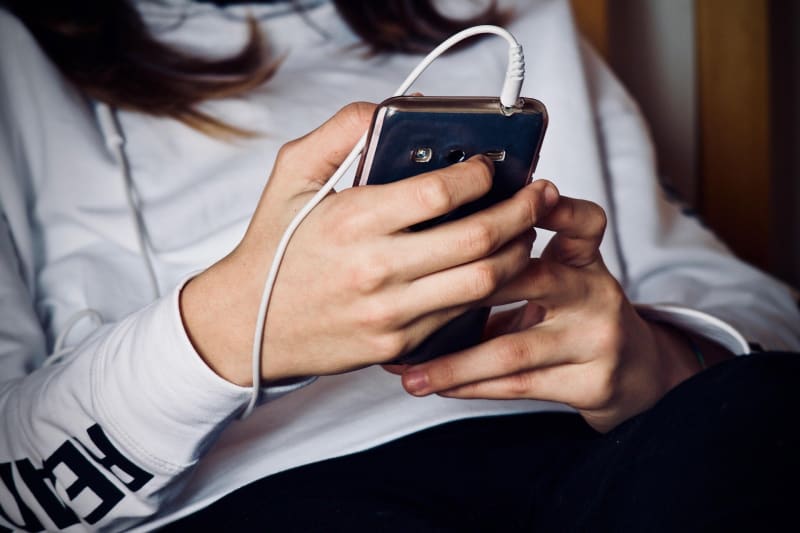
Sometimes the safest way to ask for help is to look like you're just scrolling through your phone.
New research from the University of Texas at Arlington reveals how digital hotlines are transforming the way domestic and sexual violence survivors access support. When survivors are trapped at home with abusive partners, sending a text can be far safer than making a phone call that might be overheard.
Rachel Joy Voth Schrag, a UT Arlington professor of social work, led the study after noticing a surge in chat and text service use during the COVID-19 pandemic. "When the pandemic came along, survivors were suddenly locked in close quarters with their abusive partners, which means making a phone call becomes incredibly dangerous," she explained.
Her team analyzed more than 300 digital hotline transcripts from two Texas domestic violence agencies and interviewed 17 frontline advocates. They discovered that survivors turn to these platforms for three key reasons: anonymity, easy access, and less pressure than a phone conversation.
The person on the other end isn't a chatbot. Each message comes from a trained social worker or advocate who knows how to build connection through a screen. They use emojis, ellipses, and phrases like "Give me just a minute to think about that" to show they're really listening.
Advocates start every conversation by making sure the survivor is in a safe space to communicate. Then they assess broader risks like children's needs and housing instability before building a personalized safety plan together.
The transcripts revealed warm, supportive messages like "I'm here for you, and want you to feel comfortable sharing" and "That's OK, we know it can be very scary to write to a stranger and be so vulnerable." This empathy-first approach helps survivors feel seen, even through text.
The work addresses a critical public health need. More than 40% of Americans experience sexual, physical, or stalking violence by an intimate partner in their lifetime, according to the study published in the Journal of Interpersonal Violence.
Why This Inspires
This research shows how technology can lower the barriers to getting help when it matters most. For some survivors, texting is safer because of physical risk. For others, it's safer because it simply feels more comfortable, and that comfort is what allows them to take the first step toward safety.
Voth Schrag's team is now studying outcomes tied to different ways people access services to determine which changes can be directly attributed to hotline use.
Help is now as close as a text message, making safety planning possible even in the most dangerous situations.
More Images


Based on reporting by Phys.org
This story was written by BrightWire based on verified news reports.
Spread the positivity!
Share this good news with someone who needs it