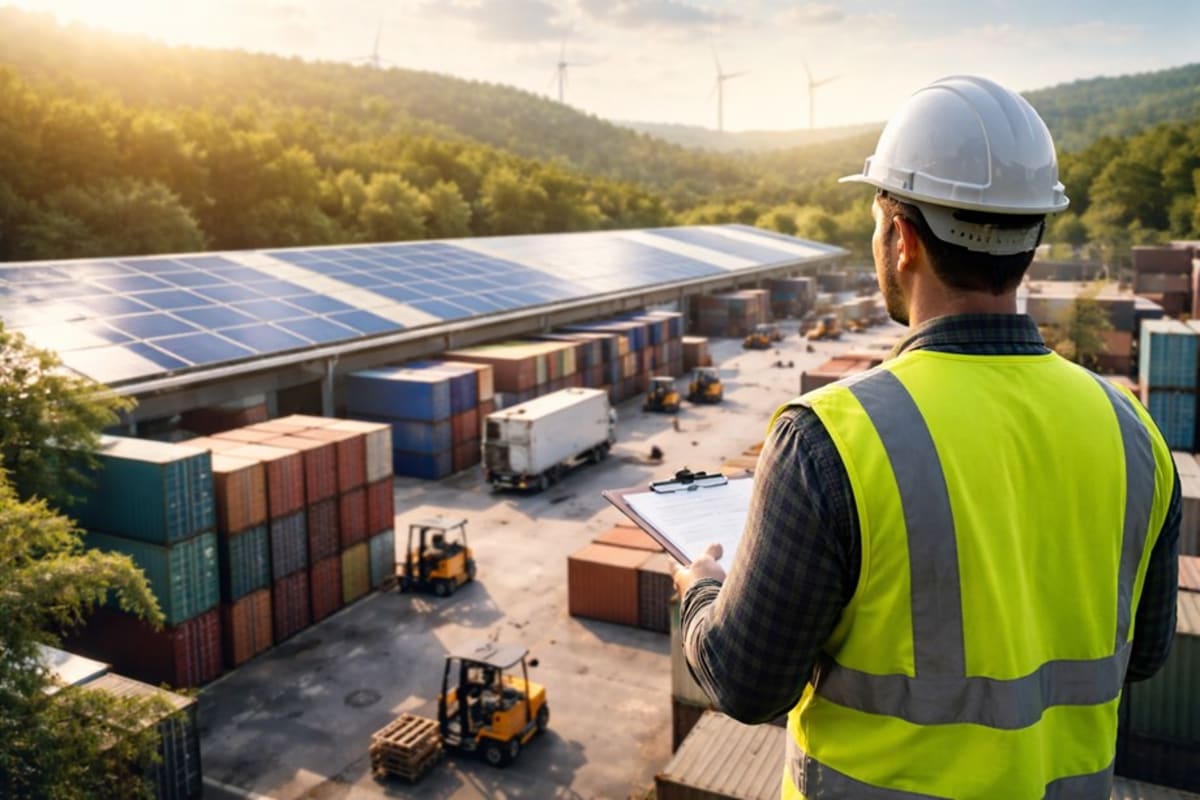
Digital Supply Chains Cut Emissions Across Industries
Companies using digital tools in their supply chains are slashing carbon emissions while boosting profits, a decade-long study reveals. The research shows how smart technology is helping businesses operate cleaner and more efficiently.
Companies that digitize their supply chains are cutting carbon emissions significantly while improving their bottom line, according to groundbreaking research spanning a decade of corporate data.
A study published in Sustainability examined Chinese companies from 2013 to 2023, revealing a clear pattern: firms using digital technologies like artificial intelligence and Internet of Things systems in their supply chains emit less carbon per dollar of revenue. The research analyzed thousands of annual reports using machine learning to measure the environmental impact of going digital.
The findings matter because supply chains account for a massive share of global emissions, often far exceeding what companies produce directly. When businesses digitize how they manage procurement, production, and logistics, they can monitor operations in real time and eliminate wasteful practices that drive up both costs and emissions.
The study identified three ways digitalization drives emissions down. First, better data transparency helps companies access cheaper financing for green technology upgrades. Second, digital systems spark innovation, with firms filing more green patents and investing in energy-efficient equipment. Third, real-time monitoring prevents costly disruptions like production delays and emergency shipments that waste energy.
Not every company benefits equally. Smaller, non-state firms see the biggest improvements because market pressure pushes them to adopt efficient practices quickly. Large enterprises leverage their scale to implement comprehensive digital systems across entire supply networks. Companies in traditional industries like manufacturing gain more than tech firms, which were already relatively efficient.
Location matters too. Firms in regions with advanced digital infrastructure see stronger results because faster data transmission and better system integration make coordination easier across supply chain partners.
The Ripple Effect
The environmental wins come with financial gains that reinforce the business case for change. Companies that digitize their supply chains don't just reduce emissions. They also improve operational efficiency, lower costs, and strengthen resilience against disruptions.
Most firms remain well below the threshold where digital infrastructure's own energy use might offset emission reductions. That means the technology's climate benefits continue to compound as more companies adopt these systems.
The research suggests a path forward where profitability and sustainability move together rather than compete. As digital tools become more accessible and infrastructure expands, even smaller companies in developing regions can join this transformation, multiplying the positive impact across industries and borders.
More Images

Based on reporting by Google News - Emissions Reduction
This story was written by BrightWire based on verified news reports.
Spread the positivity!
Share this good news with someone who needs it