NASA Tests Moon Base Recycling System in North Dakota
A mobile wastewater treatment system designed for future lunar bases just arrived at the University of North Dakota for real-world testing. The technology could turn astronaut waste into plant food and clean water, making long-term Moon living possible.
Students at the University of North Dakota are now testing technology that could help humans live on the Moon for months or years at a time.
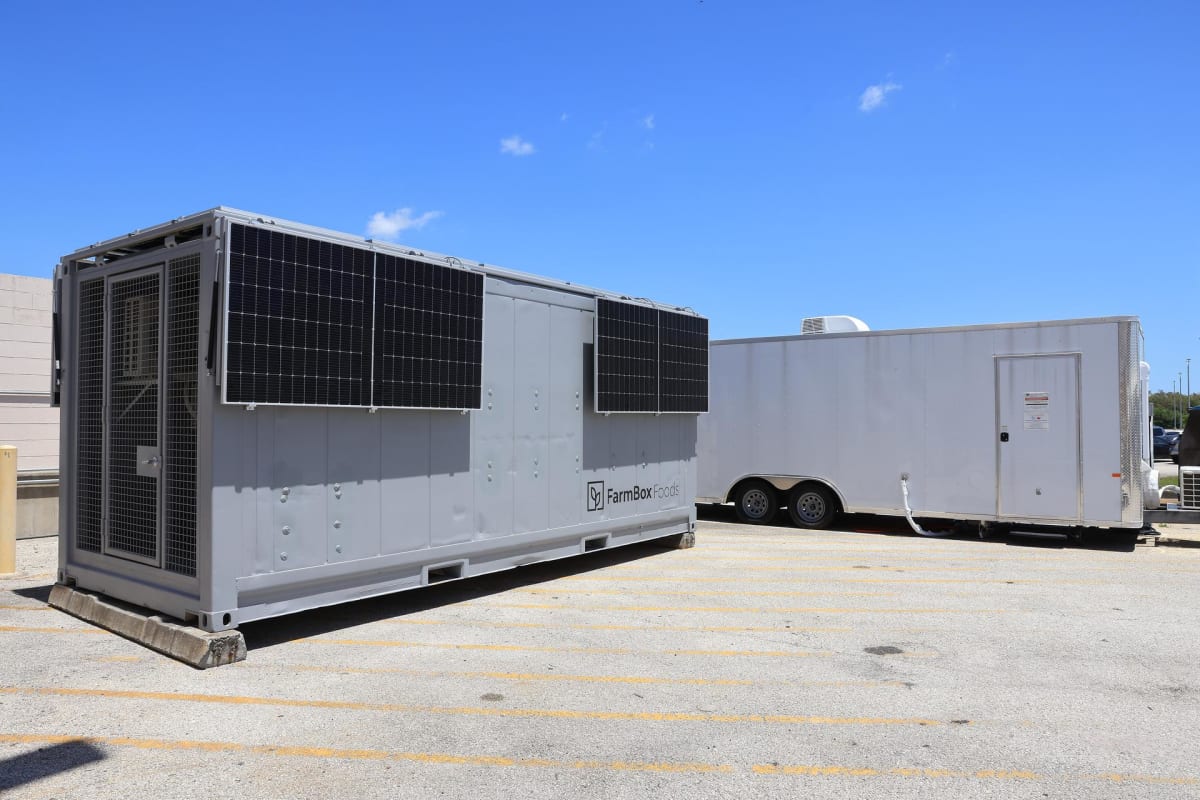
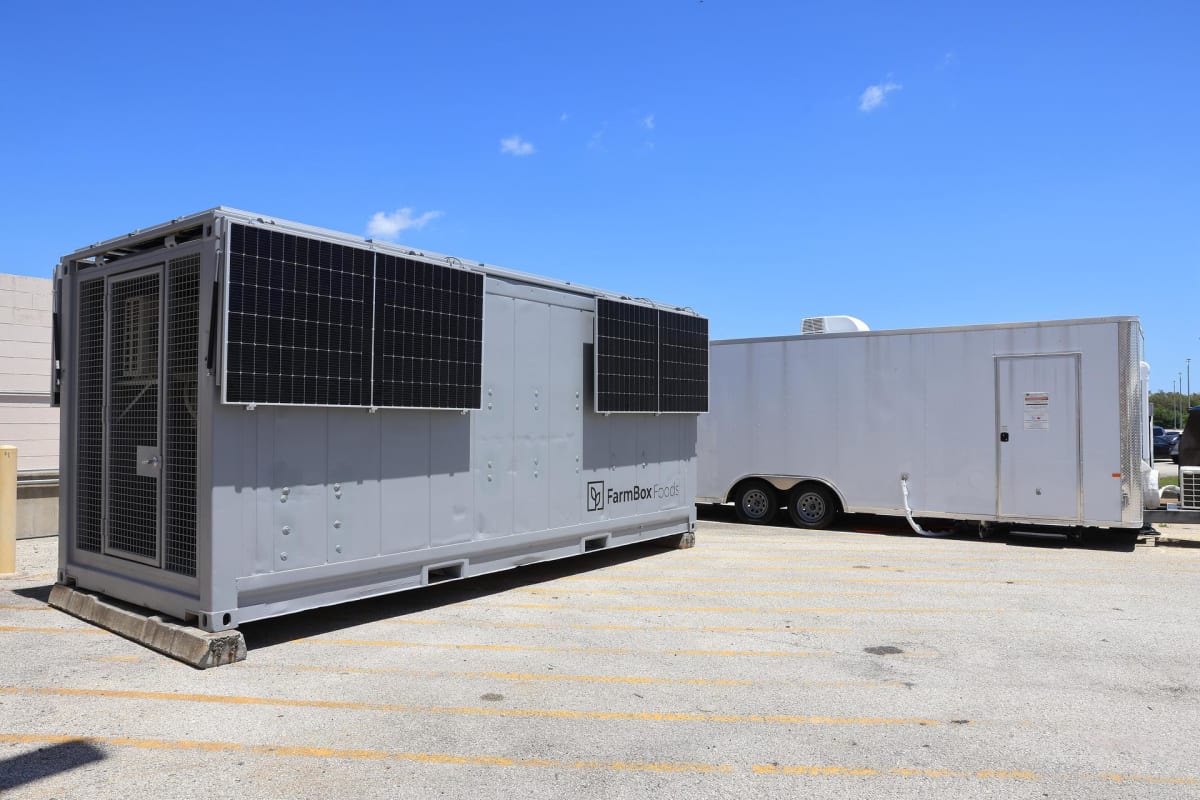
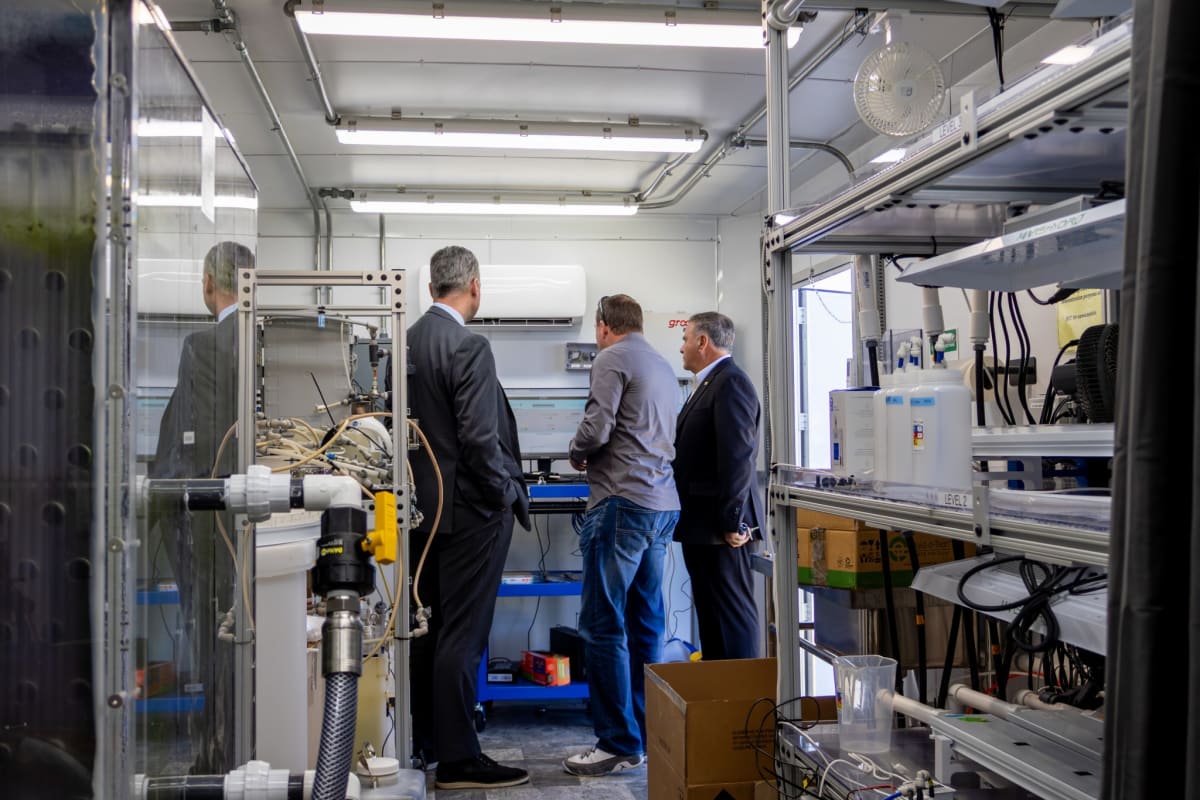
NASA's Divergent Deployable Wastewater Treatment Facility arrived at the university in Grand Forks after being built at Kennedy Space Center in Florida. The 24-foot trailer holds a complete system that turns human waste into resources astronauts can actually use.
The technology matters because future Moon missions can't rely on constant supply deliveries from Earth. Astronauts need systems that recycle everything, turning today's waste into tomorrow's water and food.
The facility keeps different waste streams separate, which is crucial for small crews of four to eight people. Urine, shower water, laundry water, toilet waste, and food scraps each contain different compounds that need different treatment methods.
Three specialized bioreactors handle the job. One processes toilet and food waste into nutrients for growing plants. Another treats urine and flush water. The third cleans water from showers and laundry.
The system also includes a vertical garden where crops grow hydroponically using nutrients recovered from the waste. Researchers will compare these plants with others grown using standard solutions to see how well the recycled nutrients work.
Graduate students will operate the facility connected to a simulated lunar habitat, including a special toilet that separates waste at the source. They'll help NASA understand how reliable the system is and what kind of training future Moon crews will need.
"NASA's Artemis program is laying the groundwork for a sustained human presence on the Moon, where habitats will need to operate far from the steady resupply chain," said Luke Roberson, surface water systems lead at NASA Kennedy.
The Ripple Effect
This testing represents a major step toward closing the loop on life support systems for space. Future lunar and Martian habitats could use similar technology to recover water, recycle nutrients, support food production, and dramatically reduce waste.
The lessons learned at North Dakota could inform even more advanced tests, including potential integration with NASA's yearlong simulated Mars missions at Johnson Space Center in Houston. Researchers are also exploring how recovered resources could support manufacturing in space.
The work is part of NASA's Bioregenerative Life Support Systems program, which aims to make long-duration space missions less dependent on supplies from Earth. Studies show these biological approaches become more effective than current technologies as missions get longer.
What starts as a trailer in North Dakota could become the foundation for humanity's first permanent home beyond Earth.
More Images
Based on reporting by NASA
This story was written by BrightWire based on verified news reports.
Spread the positivity!
Share this good news with someone who needs it