DOE Supercomputer to Unlock Breakthroughs in 29 Fields
The Department of Energy just selected the first scientific projects for Discovery, a powerful new supercomputer that will tackle everything from clean energy to cancer research. Twenty-nine talented Ph.D. students will use this cutting-edge technology to accelerate breakthroughs that could change our lives.
The future of scientific discovery just got a major upgrade, and it's putting some of our brightest minds to work on humanity's biggest challenges.
The Department of Energy has selected 36 new Computational Science Graduate Fellows who will harness the power of next-generation supercomputers to solve problems we couldn't touch before. These 29 Ph.D. students represent a new wave of researchers combining artificial intelligence, quantum science, and high-performance computing to accelerate discoveries across dozens of fields.
Think of it like giving the world's most talented young scientists a set of keys to the most powerful problem-solving machine ever built. They'll be working on everything from developing cleaner energy sources to advancing medical treatments.
The timing couldn't be better. Recent advancements in AI for science are opening doors that seemed locked just years ago. At the recent TPC26 conference, leading experts gathered to explore how artificial intelligence is pushing the boundaries of what's scientifically possible.
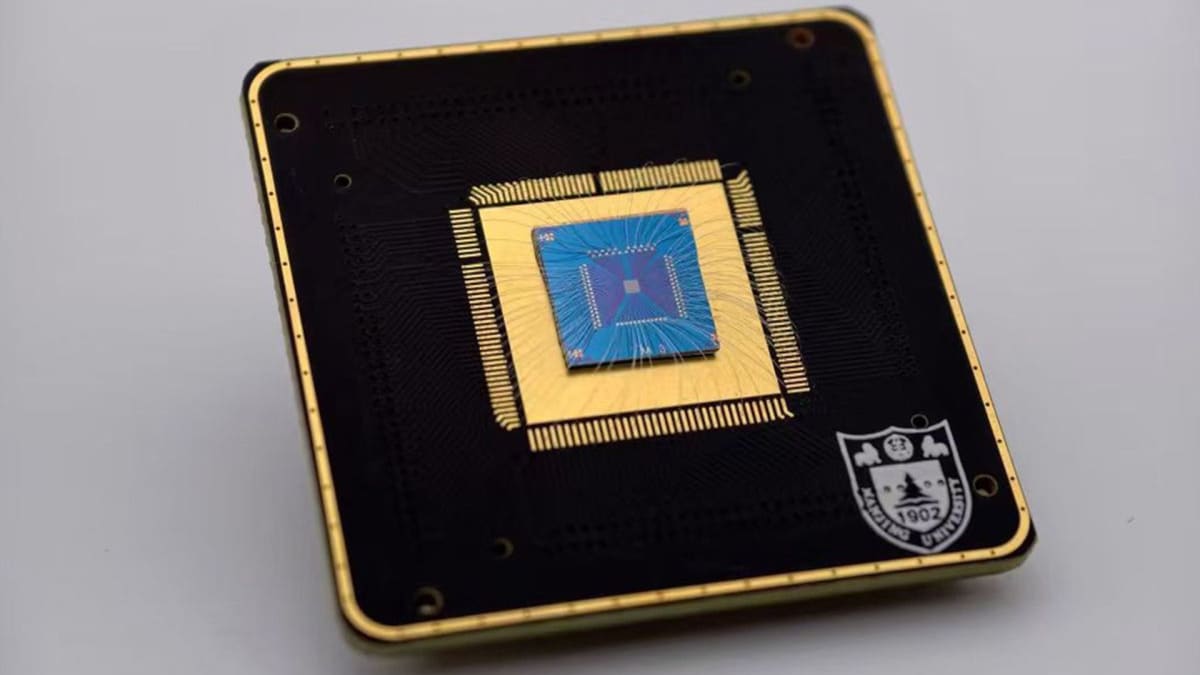
Meanwhile, quantum computing is reaching a critical turning point. AWS's Thierry Pellegrino predicts 2027 could mark a watershed moment for quantum technology, moving it from experimental to practical. Other companies are already making moves: PsiQuantum just broke ground on a utility-scale quantum computer facility in Australia, while Sandia National Labs and Quantinuum reported breakthrough results using a 98-qubit quantum system.
The Ripple Effect
This investment in young scientists creates a cascade of positive outcomes that extends far beyond the lab. When you give talented researchers access to powerful tools early in their careers, they develop skills and insights that fuel innovation for decades.
The collaboration between universities, national laboratories, and private companies means these students aren't working in isolation. They're building networks and partnerships that will continue long after their fellowships end. Their discoveries could lead to cleaner air, better medicines, more efficient energy systems, and technologies we haven't even imagined yet.
Plus, supporting diverse Ph.D. students in computational science helps ensure the next generation of breakthroughs comes from a wider range of perspectives and experiences.
The combination of human brilliance and computational power is unlocking answers to questions that have stumped scientists for generations, one calculation at a time.
More Images


Based on reporting by Google: scientific discovery
This story was written by BrightWire based on verified news reports.
Spread the positivity!
Share this good news with someone who needs it