Dogs Became Our Best Friends 5,000 Years Earlier Than Thought
A tiny jawbone found in a Somerset cave has rewritten the story of humanity's oldest friendship. Scientists discovered that dogs and humans lived closely together 15,000 years ago, thousands of years before we thought.
A forgotten bone fragment sitting in a museum drawer for nearly a century just solved one of archaeology's biggest mysteries about our furry companions.
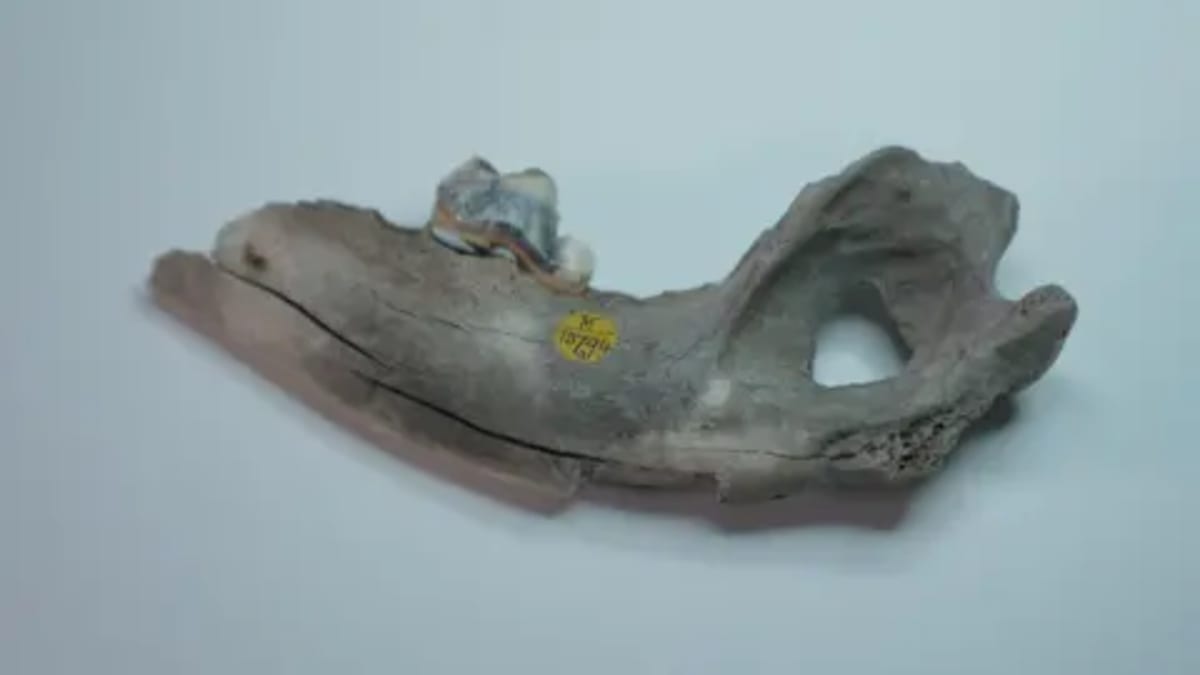
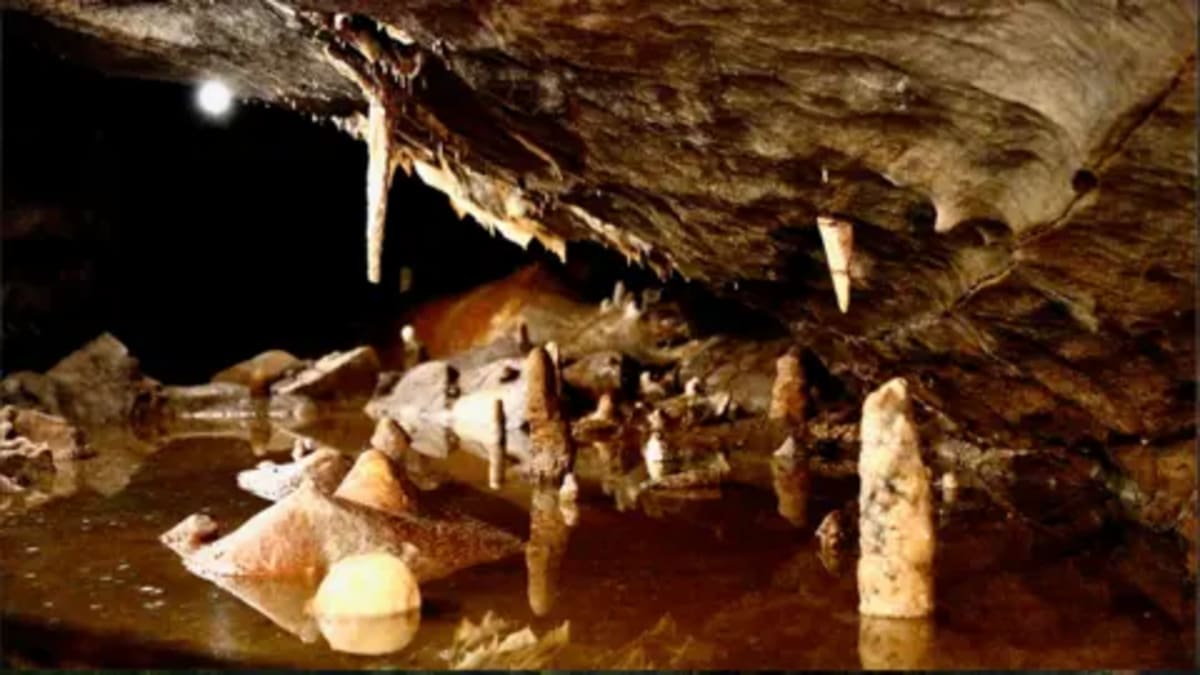
Dr. William Marsh, a researcher at the Natural History Museum, was digging through old excavations when he stumbled upon a 9cm jawbone from Gough's Cave in Somerset's Cheddar Gorge. The bone had been collecting dust since the 1920s, dismissed as unremarkable. But DNA testing revealed something extraordinary: it belonged to one of the earliest domesticated dogs ever found, pushing back the human-dog partnership by 5,000 years.
The discovery shows that 15,000 years ago, during the Ice Age, dogs and humans already shared an incredibly close bond. These weren't just wolves hanging around camps. They were true companions who ate the same food as their owners, traveled across continents together, and lived side by side in caves.
"William tells me: 'I found dog from the early stone age,' and I'm like, 'No you haven't,'" recalls Dr. Lachie Scarsbrook from the University of Oxford, Marsh's friend and collaborator. But the evidence was undeniable.
The genetic signature from this single jawbone unlocked a treasure trove of other discoveries. Researchers tested similar specimens across Europe and Turkey that had been sitting in collections for years. They all turned out to be dogs too, revealing a network of early dogs spread across the ancient world.
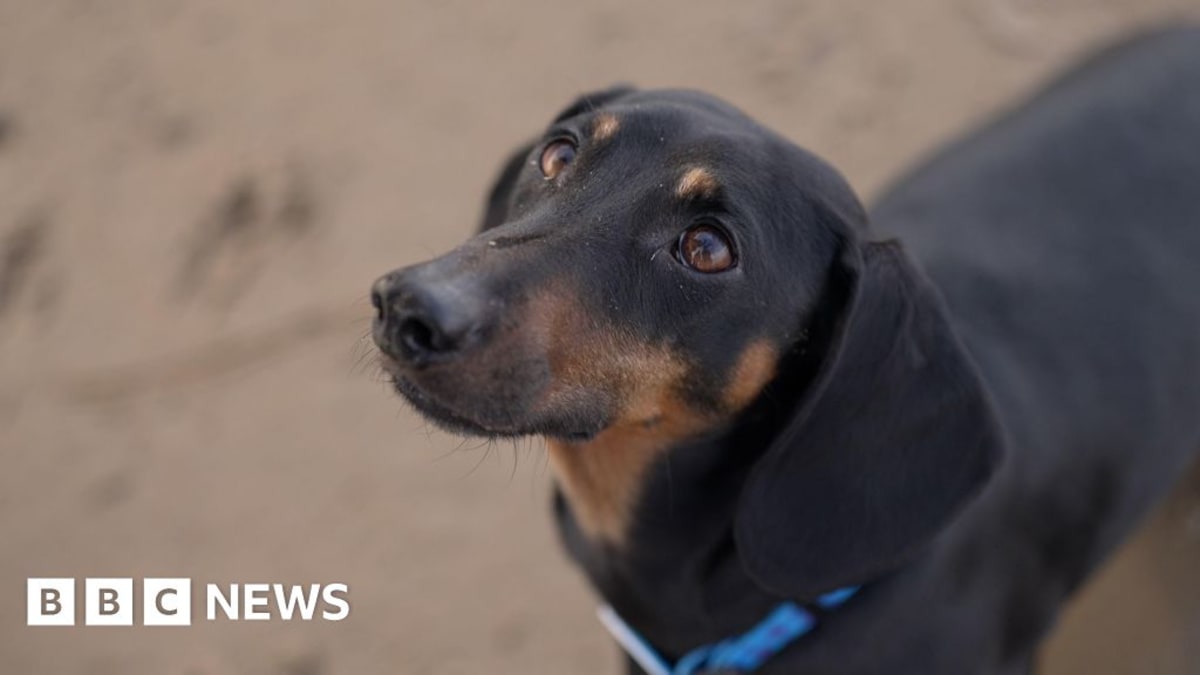
Chemical analysis revealed something even more heartwarming. These dogs shared meals with their human families, whether catching fish in Turkey or hunting meat in Britain. "15,000 years ago, we see that level of companionship that we still see today," says Dr. Selina Brace of the Natural History Museum.
The first dogs descended from grey wolves who gradually became tamer around human camps, scavenging leftovers at the end of the Ice Age. Over hundreds of generations, people bred them into working partners for hunting, guarding and tracking. Their muzzles shortened, their teeth became smaller, and they evolved into every shape and size imaginable.
Why This Inspires
This discovery reminds us that the bond between humans and dogs isn't just old. It's ancient, hardwired into thousands of years of shared meals, journeys, and companionship. That golden retriever curled up on your couch carries the legacy of a partnership that predates farming, pottery, and even cats padding into our homes. Our friendship with dogs was there almost from the very start of civilization, proving that some connections truly stand the test of time.
The pet lying on your sofa today descends from those first brave wolves who chose to trust us 15,000 years ago.
More Images


Based on reporting by Google News - Researchers Find
This story was written by BrightWire based on verified news reports.
Spread the positivity!
Share this good news with someone who needs it