$9.3M Climate Project Brings Clean Water to 80,000 in Africa
Two East African nations are joining forces to tackle climate change with solar-powered water systems that will serve nearly 80,000 people. The project trains over 100,000 farmers in climate-smart agriculture while creating jobs for 19,300 young people.
Nearly 80,000 people in Ethiopia and South Sudan will soon have reliable access to clean water, thanks to a $9.3 million climate resilience project that harnesses the power of the sun.
The African Development Fund approved the Climate Proof Water4Food Project to help communities in Ethiopia's Gambella region and South Sudan's Unity State adapt to increasingly severe floods and unpredictable rainfall. These neighboring regions have watched their agricultural productivity decline as extreme weather events become more frequent.
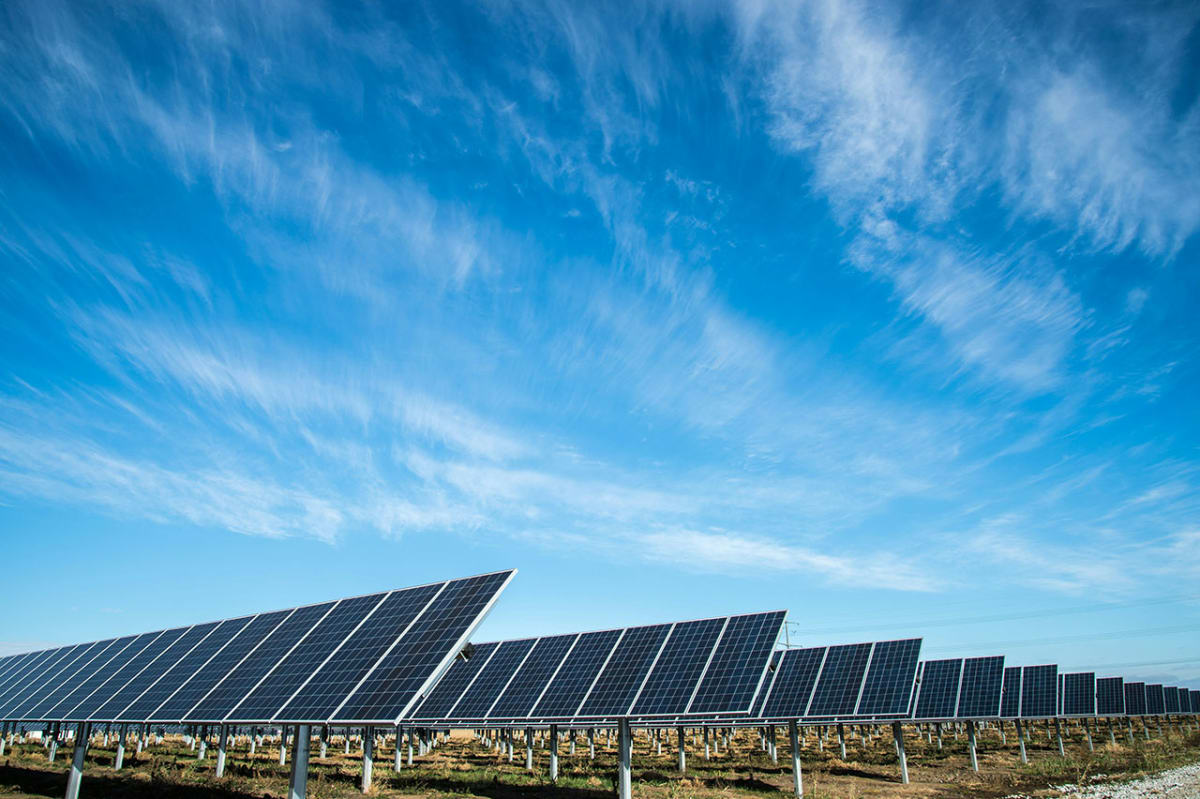
At the heart of the initiative are seven solar-powered water supply systems. These renewable energy facilities will provide safe drinking water to remote communities while reducing greenhouse gas emissions and cutting operating costs. The solar infrastructure means water keeps flowing even when traditional power sources fail.
The project tackles multiple challenges at once. New sanitation facilities will be built in schools and public institutions, improving health outcomes and giving students better learning environments. Women will lead newly formed water management committees, ensuring local communities have a voice in how their water resources are managed.
More than 100,000 farmers will receive hands-on training in sustainable farming practices and modern cultivation techniques. They'll learn to use improved seeds that can withstand droughts and floods, helping their crops survive the changing climate. The goal is not just survival but thriving, with increased agricultural productivity that can lift entire communities.
Young people are getting a pathway to sustainable careers too. Around 19,300 will receive practical training in agriculture, entrepreneurship, and agricultural value chains, creating a new generation equipped to build climate-resilient economies.
The Ripple Effect
The benefits extend far beyond immediate water access. Women and girls, who typically spend hours each day collecting water, will gain time for education and income-generating activities. The project includes large-scale tree planting and watershed rehabilitation to restore degraded landscapes, improve soil quality, and strengthen natural ecosystems.
By bringing together renewable energy, water security, environmental restoration, and climate-smart agriculture, the initiative creates a comprehensive safety net for vulnerable populations. The cross-border cooperation between Ethiopia and South Sudan shows how shared challenges can spark collaborative solutions.
The African Development Bank Group sees this as a model for addressing climate impacts while supporting sustainable development across the continent.
Communities once struggling against floods and failing crops are gaining tools to build a more stable, prosperous future powered by the sun.
More Images


Based on reporting by Regional: ethiopia development (ET)
This story was written by BrightWire based on verified news reports.
Spread the positivity!
Share this good news with someone who needs it