Drones Map Hidden Amazon Wildlife From the Treetops
Scientists are using drones and DNA analysis to discover animals living high in the rainforest canopy that traditional methods miss. The breakthrough technology detected 257 species in Peru's Amazon, including creatures never found in water samples.
Scientists just cracked the code on studying one of Earth's most mysterious places: the top of the rainforest.
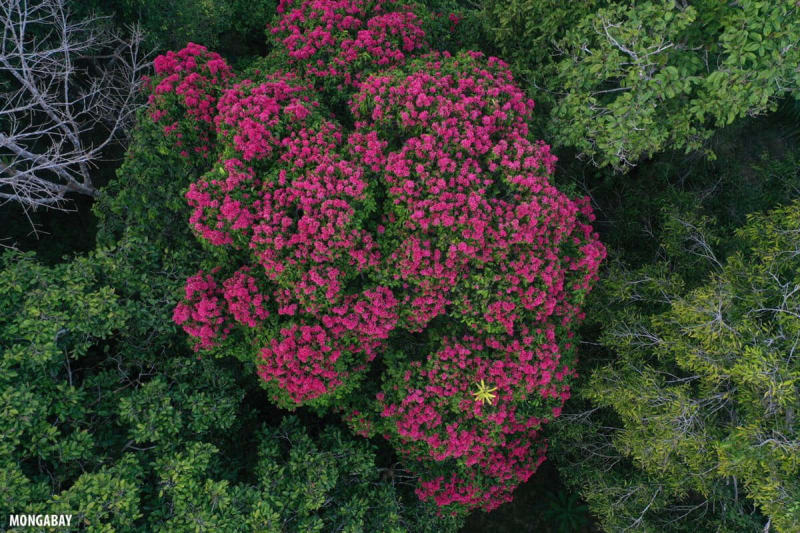
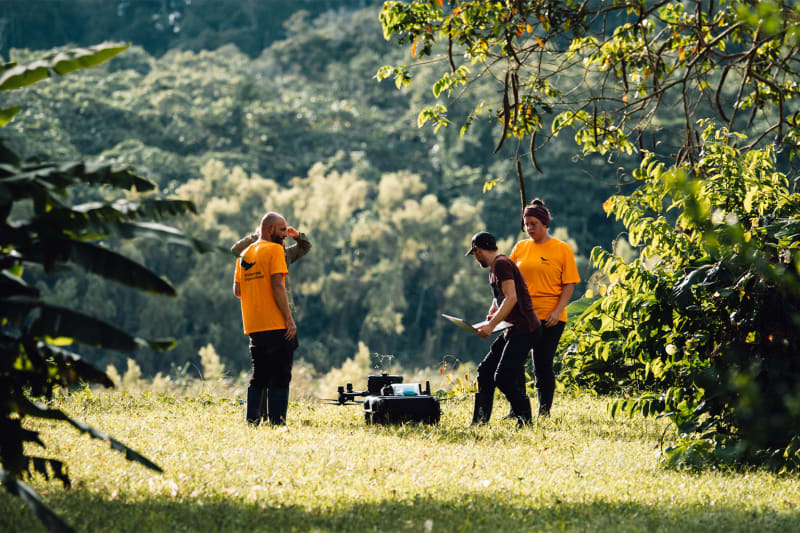
A team from ETH Zürich and Wilderness International flew drones into the Peruvian Amazon canopy to collect environmental DNA. The genetic material animals leave behind on leaves and branches revealed a hidden world that traditional research methods completely miss.
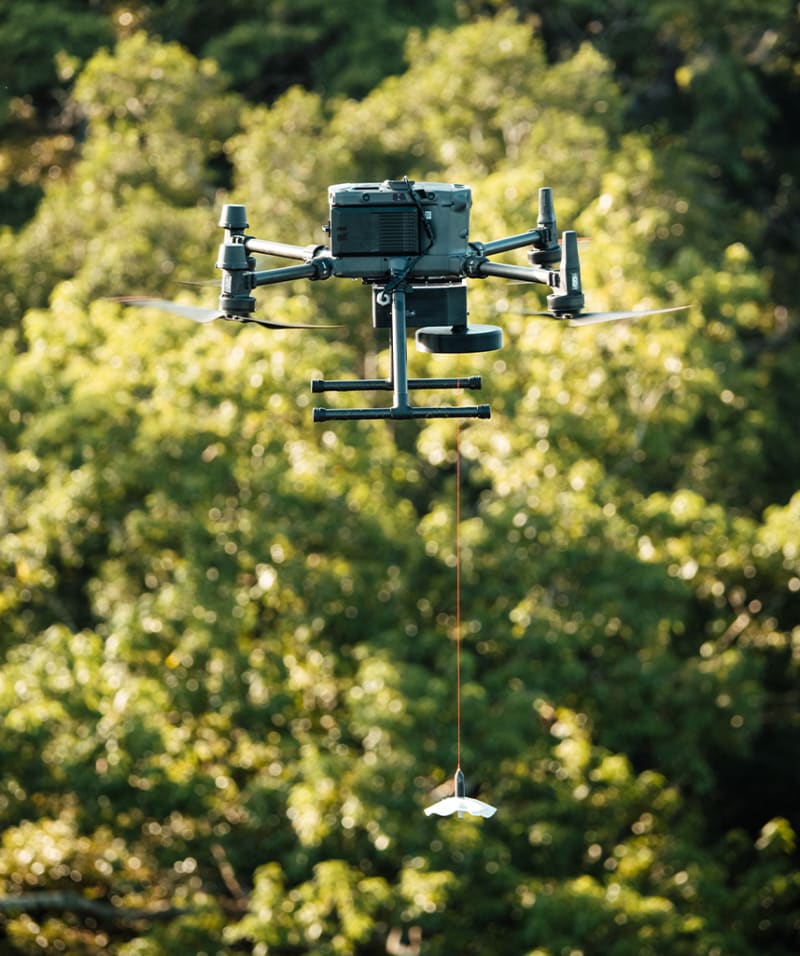
The technology works beautifully. Drones lower a probe with a moist cloth pad into the treetops, rubbing against vegetation to collect DNA from hair, fur, and saliva. The samples then head to labs where scientists identify which animals left their genetic calling cards behind.
The results surprised everyone. One sample contained genetic material from 50 different species. Across both protected areas near the Tambopata River, researchers detected 257 vertebrate species living in and around the canopy.
"What is going on in the treetops is very difficult to understand and assess," said Marie Schreiber from Wilderness International. Camera traps can't reach that high, and acoustic monitoring misses quieter species entirely.
The real breakthrough came when researchers compared canopy samples to traditional water samples. Water detected more total species, but canopy samples found entire groups of animals that water samples missed completely. The two methods barely overlapped, proving that scientists need both techniques to understand forest biodiversity.
This matters enormously for conservation. The study areas face threats from deforestation, agriculture, road construction, and gold mining. Many species in these forests remain unstudied because individual populations are so small, even though overall diversity runs incredibly high.
Why This Inspires
The canopy data perfectly matched species counts from traditional ground surveys, proving the technology works reliably. That means scientists can now justify creating new protected areas with hard evidence of what lives there.
As DNA analysis becomes cheaper and more accessible, this approach could revolutionize how we study and protect rainforests worldwide. The technology gives conservationists the data they need to secure funding and establish protections for ecosystems we barely understand.
"This is data with a lot of impact," Schreiber said. For the first time, we can see what's really living in the treetops.
More Images


Based on reporting by Mongabay
This story was written by BrightWire based on verified news reports.
Spread the positivity!
Share this good news with someone who needs it