Israeli Drones Help Save Man Buried 72 Hours in Venezuela
After devastating twin earthquakes killed over 2,600 people in Venezuela, Israeli drone technology helped Mexican rescuers pull a man from the rubble after three days trapped underground. The compact systems can navigate collapsed buildings where GPS fails and humans can't safely enter.
A man trapped under rubble for 72 hours is alive today thanks to Israeli drones that can see what rescuers cannot.
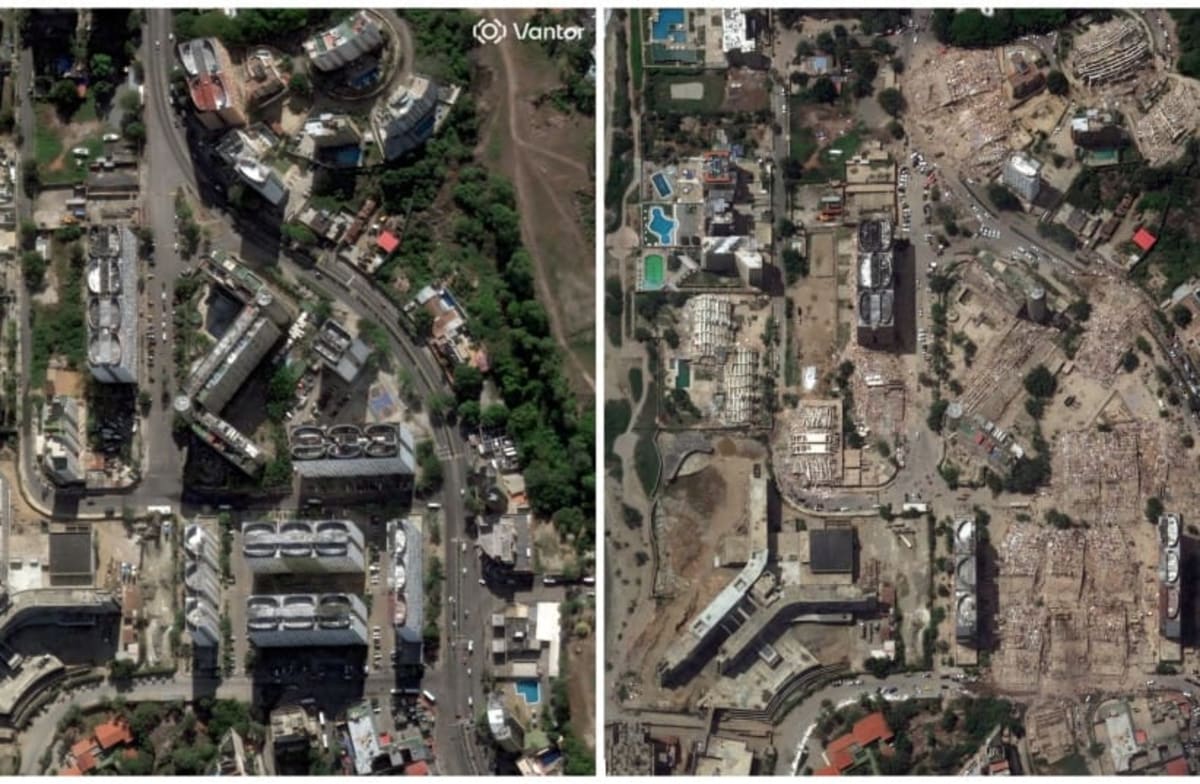
Twin earthquakes measuring 7.2 and 7.5 struck Venezuela in late June 2026, killing over 2,600 people in Latin America's largest natural disaster in decades. Mexico City's famous Topos Azteca rescue brigade arrived to help, bringing with them technology from Israeli company XTEND.
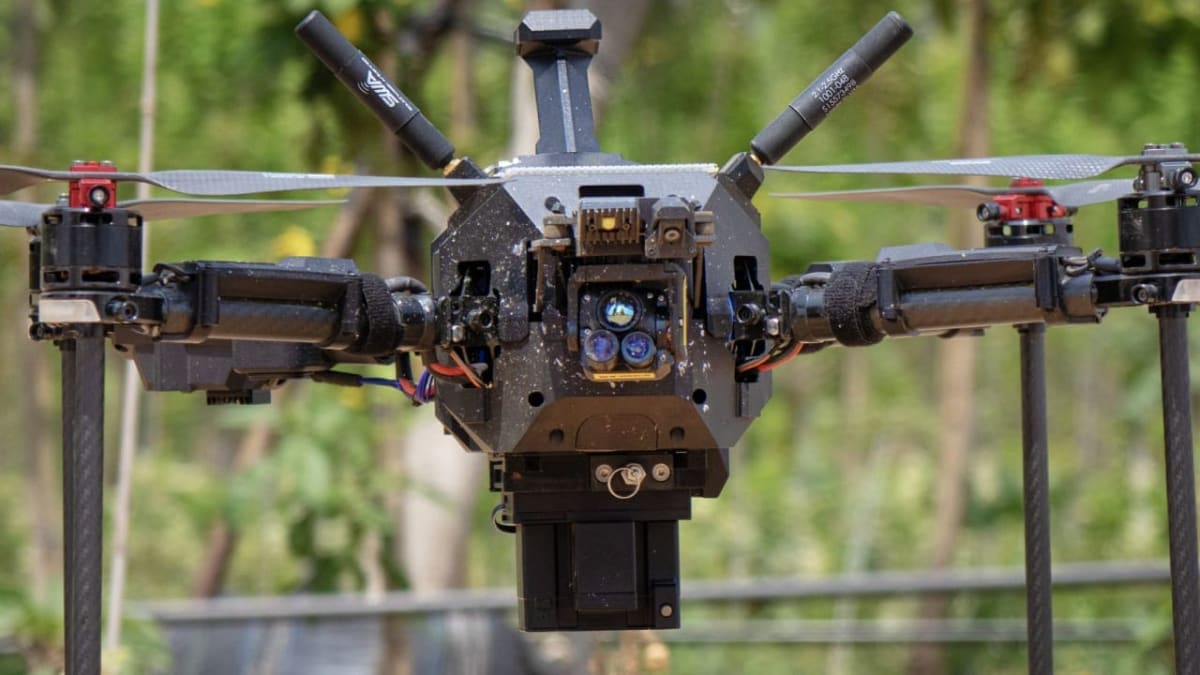
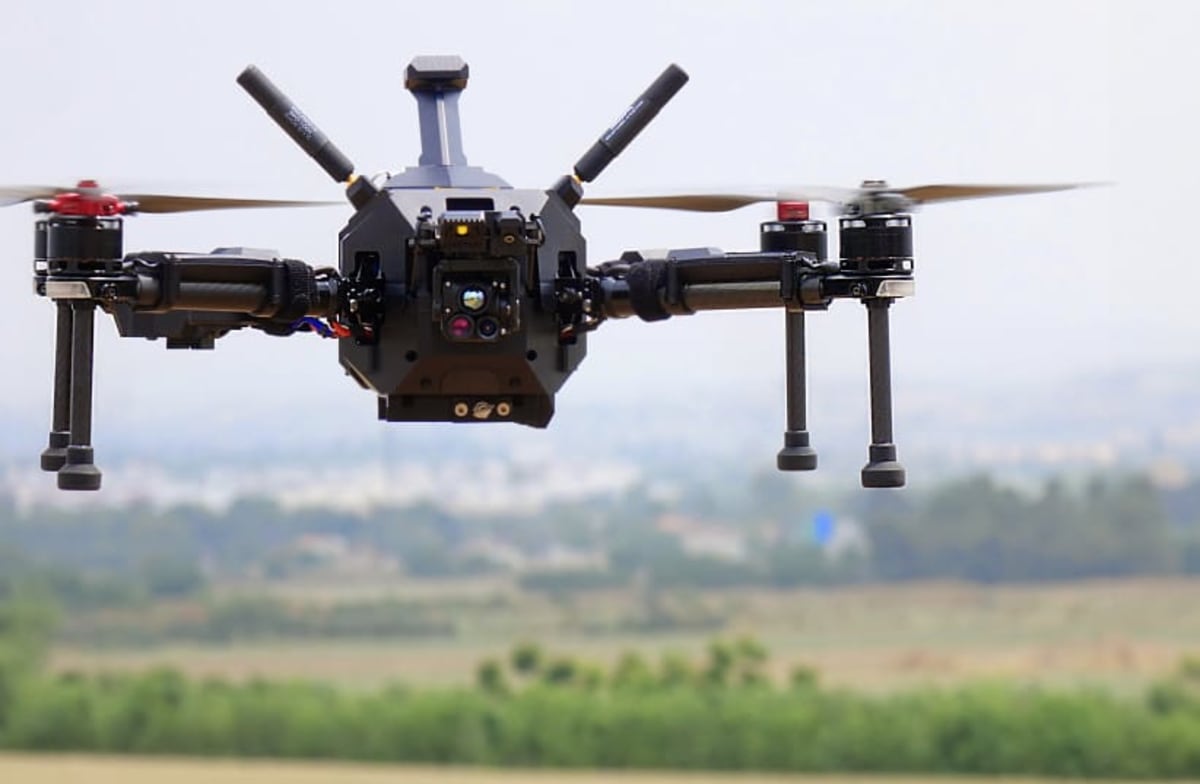
The rescue team used two drone systems working together to search collapsed buildings in La Guaira. The Honey Badger flies outdoors and through damaged urban areas, while the smaller XTENDER navigates inside rooms, stairwells, and underground spaces where GPS signals don't reach.
These aren't your typical camera drones. The impact-resistant XTENDER weighs just 2.6 pounds and carries floodlights to illuminate dark spaces. It can map collapsed buildings in real time, showing rescuers exactly where victims might be trapped without anyone entering unstable structures.
The technology proved its worth when the team located a man wedged between a roof and collapsed wall. With the drone's guidance, rescuers safely extracted him after he'd spent three full days trapped in the debris.
XTEND started as a video game company in 2018, using virtual reality to simulate drone flight. After the October 7, 2023 attacks in Israel, founders realized their gaming technology could help soldiers and first responders navigate dangerous spaces remotely.
The company has since deployed over 10,000 systems worldwide. Despite Israel and Venezuela not having diplomatic relations for 17 years, the Venezuelan government reached out specifically for XTEND's help with rescue operations.
The Ripple Effect
This rescue mission shows how technology developed for one purpose can save lives in completely unexpected ways. The same systems helping search-and-rescue teams in Venezuela are being used by defense forces, private security, and public safety agencies across the globe.
The drones work as a three-unit mesh network, allowing multiple operators to share what they're seeing in real time. A human operator controls the mission while the drones handle navigation, combining artificial intelligence with human judgment in life-or-death situations.
Dozens of countries sent rescue teams to Venezuela, including Syria's White Helmets volunteer organization. The international response demonstrates how crisis brings out humanity's collaborative spirit, with nations setting aside political differences to save lives.
One man pulled from the rubble after 72 hours represents hope for families still waiting, and proof that the right technology in skilled hands can turn impossible rescues into reality.
More Images

Based on reporting by Google News - Israel Technology
This story was written by BrightWire based on verified news reports.
Spread the positivity!
Share this good news with someone who needs it