Duo Restores 10 Acres Near Kanha, Creates 6,000-Tree Haven
Two travel industry veterans bought barren land near India's Kanha National Park and transformed it into a thriving forest with 6,000 native plants while creating jobs for surrounding villages. Their eco-stay proves tourism can heal land and support communities at the same time.
Sometimes the best action is no action at all.
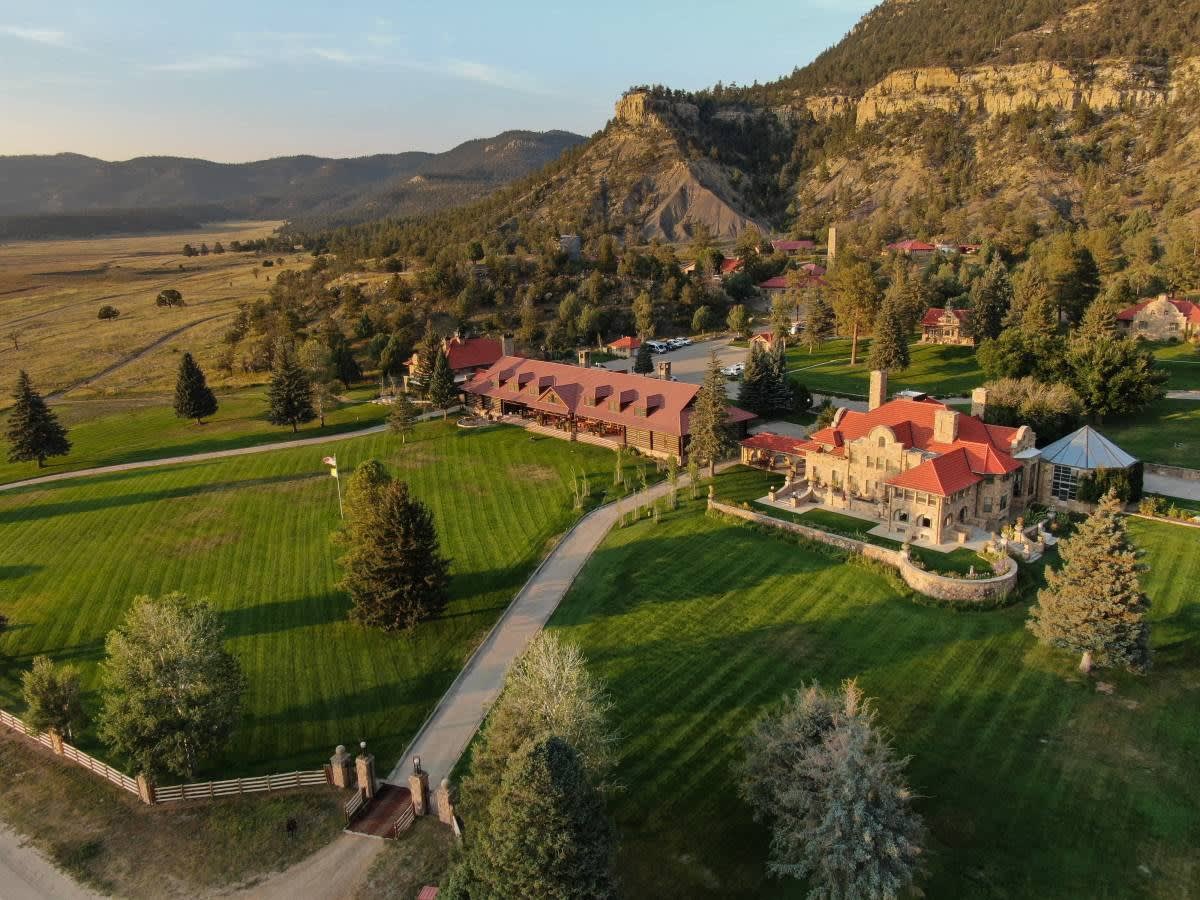
When Ankit Rastogi and Pradeep Vijayan bought 10 acres of semi-barren land near Kanha National Park in December 2015, they did something unusual. For three years, they barely touched it.
The land in Madhya Pradesh had fewer than 300 trees when they purchased it. Illegal loggers had been cutting trees, and sand mining trucks had been crushing plant roots as they rumbled through.
The two men had spent decades in India's travel industry, staying in countless properties. They'd watched tourism serve visitors while offering little to local communities or the environment.
They wanted to build something different. But first, they put up a fence.
That simple barrier stopped the illegal activity and gave nature room to breathe. Within two to three monsoons, something remarkable happened.
The forest began healing itself. Around 4,500 native plants and trees sprouted naturally from seeds already in the soil.
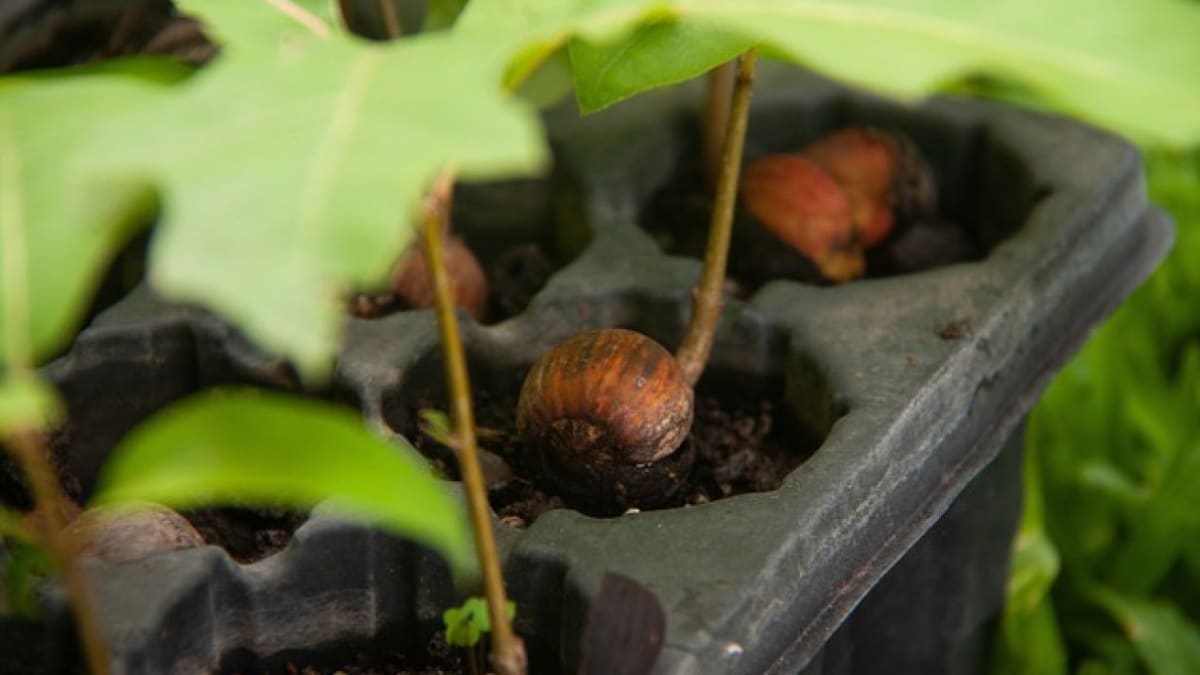
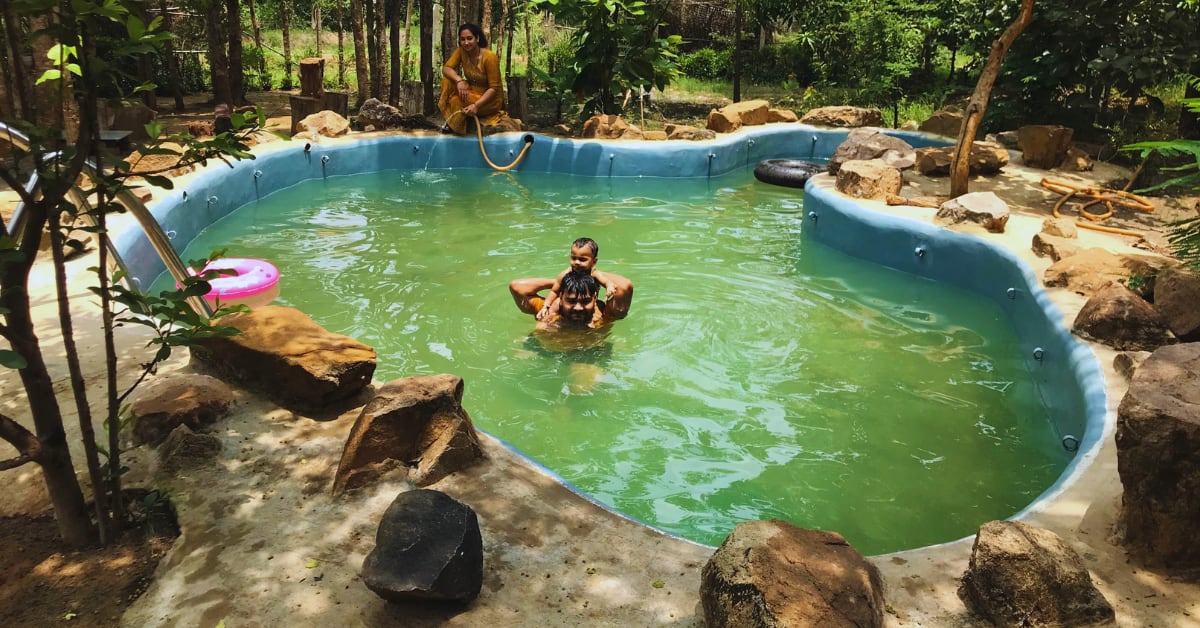
The team helped the process along by digging a pond to catch rainwater and recharge groundwater. They commissioned a hydrogeological survey before drilling any wells, then planted about 1,500 additional trees based on what the land could support.
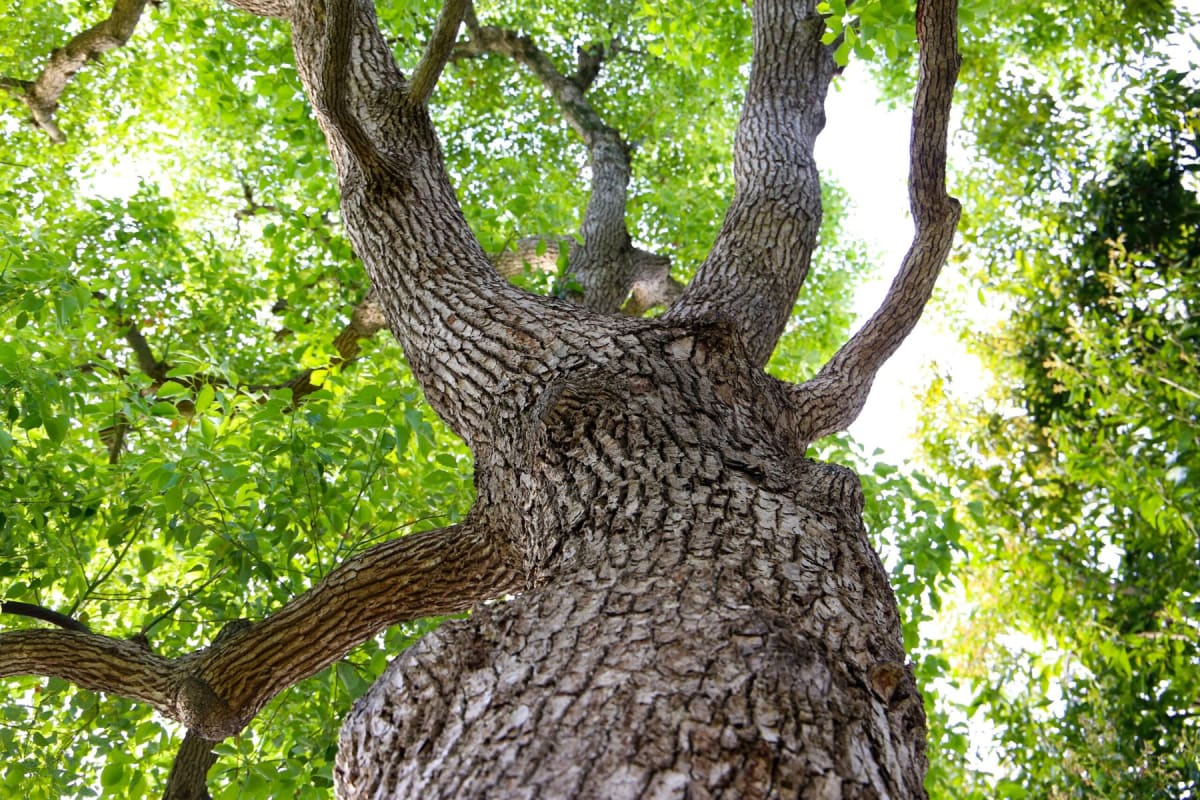
Today, Surwahi Social Ecoestate holds more than 6,000 native plants and trees. The pond draws wildlife during dry summers, and 59 bird species have returned.
When construction finally began, every decision reflected their values. They refused to use baked red bricks, glass, or steel where alternatives existed.
Thick mud walls went up instead, naturally regulating temperature. Recycled terracotta tiles from broken village homes became roofing material.
Every worker came from surrounding villages. Local masons, painters, and plumbers built the entire estate.
Furniture came second-hand from nearby Jabalpur's Gurundi market or was crafted by local bamboo artisans. Nothing was imported when local options existed.
The Ripple Effect
Both founders kept their corporate jobs while building Surwahi. Ankit serves as Chief Product Officer at Angel One, while Pradeep leads Hotels Business and Partnerships at Ixigo.
Their salaries funded the project through its long development, including pandemic years when tourism stopped. They didn't need the land to make money right away because they weren't depending on it to survive.
That financial cushion let them build slowly and correctly. It gave the forest time to regenerate naturally instead of being rushed for profit.
The estate initially faced skepticism from locals who wondered what two outsiders were doing. But hiring village workers and sourcing locally built trust over time.
Now the land that once held 300 struggling trees supports a thriving ecosystem where bees, birds, and butterflies pollinate new growth each monsoon.
Tourism and nature are growing together, just like Ankit and Pradeep hoped.
More Images
%2Fenglish-betterindia%2Fmedia%2Fmedia_files%2F2026%2F07%2F22%2Feco-stay-2026-07-22-10-01-22.png)
%2Ffilters%3Aformat(webp)%2Fenglish-betterindia%2Fmedia%2Fmedia_files%2F2026%2F07%2F22%2Fsurwahi-2026-07-22-12-43-38.jpg)
%2Ffilters%3Aformat(webp)%2Fenglish-betterindia%2Fmedia%2Fmedia_files%2F2026%2F07%2F22%2Fimg_20220408_180107-2026-07-22-12-49-14.jpg)
Based on reporting by The Better India
This story was written by BrightWire based on verified news reports.
Spread the positivity!
Share this good news with someone who needs it