Durham Restores Globally Unique Coastal Grasslands
A nearly $1 million project just brought back one of Earth's rarest coastal habitats in northeast England. Volunteers planted 21,000 trees and transformed 7 miles of coastline that exists nowhere else on the planet.
A stretch of coastline in Durham, England, just got a second chance at life, and the planet is better for it.
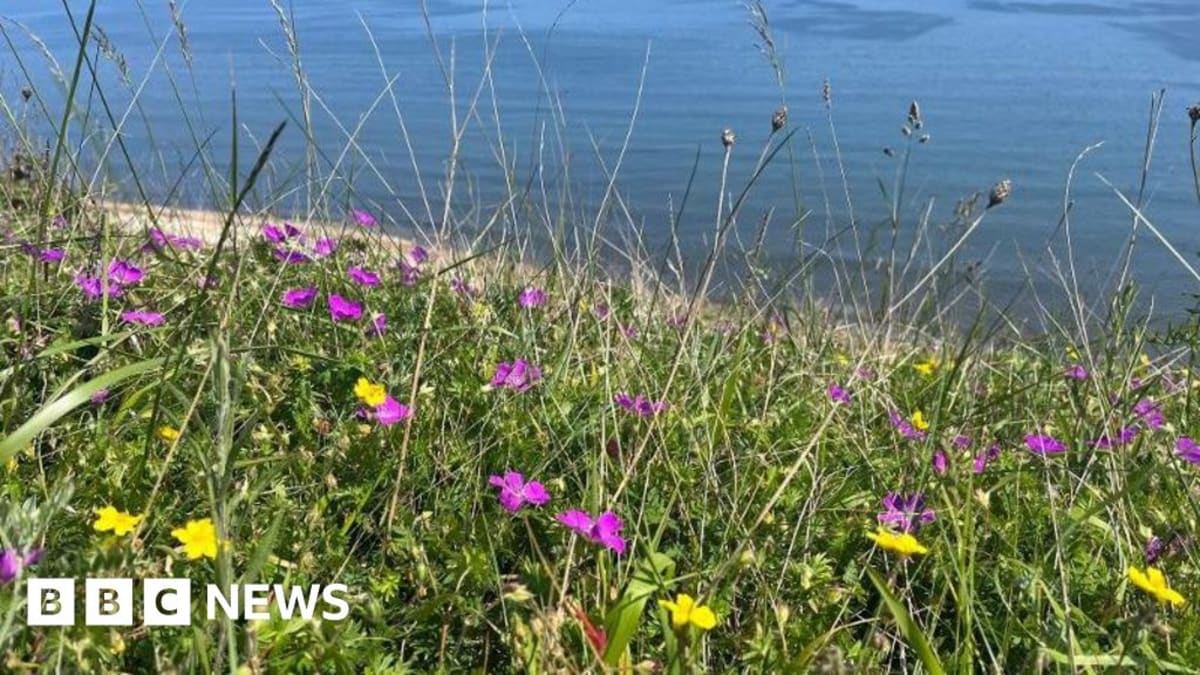
Durham County Council wrapped up a £975,000 restoration project that revived magnesian limestone grasslands between Nose's Point near Seaham and Blackhall Rocks. These grasslands are globally unique because magnesian limestone only appears exposed at the coast in this part of the world.
The three-year effort was one of just 20 projects funded nationally by the government's Species Survival Fund, a program designed to halt species decline by 2030. That makes this win even more significant. Durham earned a spot on a very short list of conservation priorities.
The work went far beyond planting and fencing. Local volunteers, schools, and community groups joined nearly 100 events including wildlife surveys, habitat cleanups, and large-scale plantings. Together, they planted 21,000 trees and shrubs at Tina's Haven nature reserve in Horden and improved 11 kilometers of coastal paths.
The results are already showing. Birds have better roosting sites. Plants are thriving in newly diverse habitats. Insects are returning to areas they'd abandoned.
Durham County Council partnered with the National Trust and Durham Wildlife Trust to make it happen. The collaboration brought expertise, funding, and community connections together in a way that turned a fragile ecosystem into a resilient one.
Councillor Kyle Genner called the project's benefits environmental, social, and educational. Schools that participated gave students hands-on experience with conservation work. Volunteers built connections to the land they're protecting.
The Ripple Effect
Eric Wilton from the National Trust said the project connected communities to nature in powerful ways. Local residents developed a sense of pride and stewardship for their coastline that will outlast the formal project timeline.
The work at Tina's Haven became especially meaningful. Community members recovering from difficult times found healing through helping nature recover. That reciprocal relationship, people supporting nature while nature supports people, created something bigger than habitat restoration alone.
The project's design ensured long-term protection. These aren't temporary fixes that will fade in five years. The plantings, improved paths, and restored ecosystems are built to last decades.
Durham's coastal grasslands now have a fighting chance against the pressures they've faced for generations, and the communities caring for them have never been stronger.
More Images
Based on reporting by BBC Science
This story was written by BrightWire based on verified news reports.
Spread the positivity!
Share this good news with someone who needs it