Dutch Cities Fight Heat With Outdoor Curtains and Fake Trees
The Netherlands is beating climate change with creative solutions like hanging curtains outside windows and building mobile jungles. Simple actions are already saving lives during Europe's hottest summers.
When Amsterdam's heat coordinator told residents to hang their curtains outside their windows, the internet loved it.
Eline Coolen's viral social media post wasn't just quirky advice. It's part of a growing movement to help Dutch cities adapt to temperatures they were never built for. The trick works because stopping sunlight before it hits glass prevents heat from entering homes in the first place.
The stakes are real. About 110 people die from heat in Amsterdam alone each year, and experts warn that number could jump to 600 without action. That's why the Netherlands activated its national heatwave plan and researchers are testing everything from shadow art to fake trees.
Professor Bert Blocken calls it a matter of physics. Most northern European homes have huge windows designed to capture winter warmth, but those same windows turn into greenhouses during summer. The solution? Follow what ancient Egyptians, Greeks, and Romans knew centuries ago: keep the sun out before it gets in.
The country is trying solutions at three levels. Individuals are installing outdoor blinds and whitewashing roofs. Cities are adding green spaces, tree canopies, and even mobile "jungle blocks" that provide shade for pedestrians. Researchers found that simple awareness campaigns about staying cool actually reduce deaths during heatwaves.
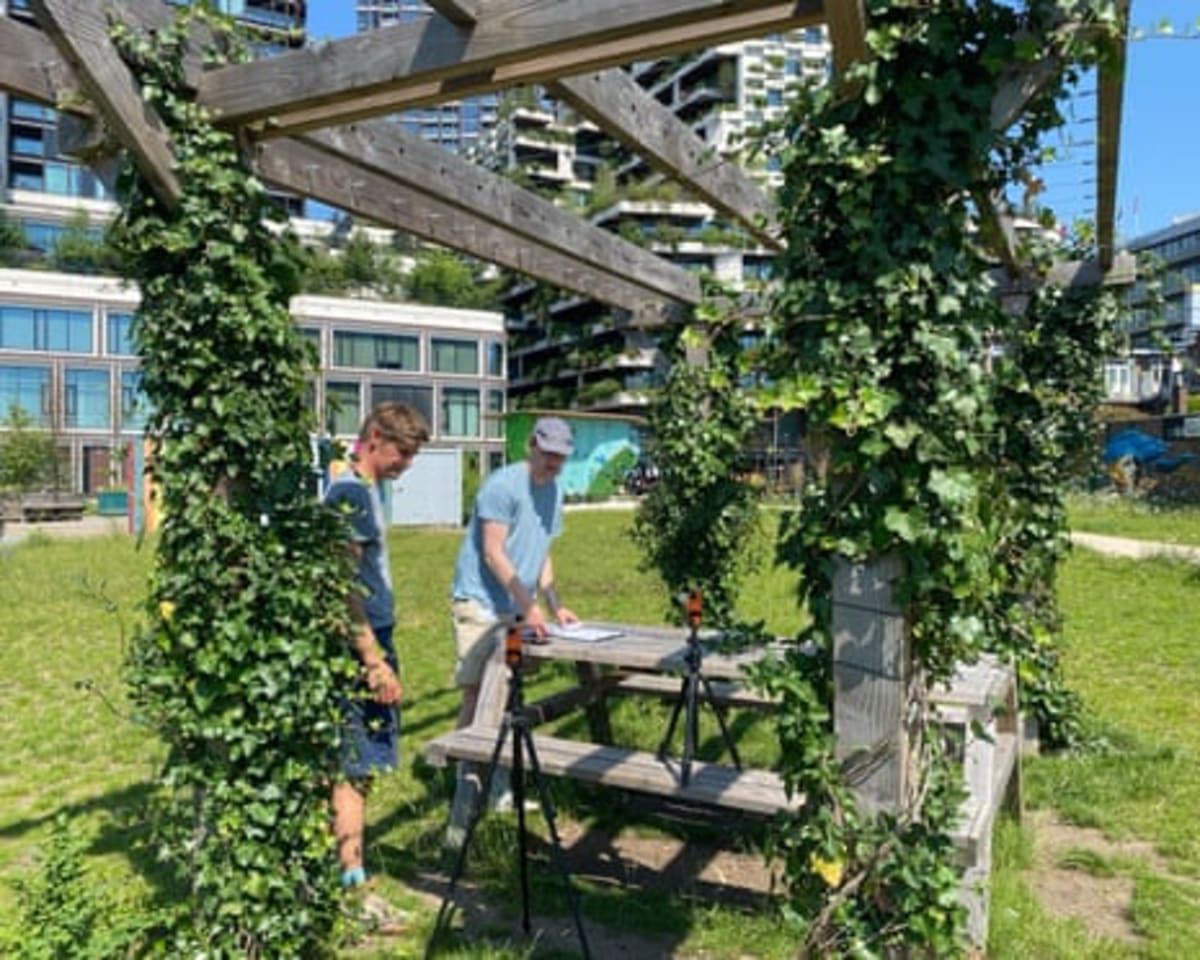
Professor Jeroen Kluck studies climate resilient cities and says the greenery does double duty. Pergolas covered with plants and strategically placed fake trees don't just cool people down, they make cities more livable and boost biodiversity at the same time.
The economics make sense too. Sandra Phlippen, an economist at ABN Amro bank, calculated that one night of heat-disrupted sleep costs about €200 per person in lost productivity. For a street of 100 people enduring three sleepless nights, that equals a year's worth of tree investments.
Early results show promise. New research indicates that combining building adaptations, urban green spaces, and public education actually works. People are taking action too. A survey found that four out of five Dutch homeowners have already tried cooling their homes during heatwaves.
The Ripple Effect: What started as a simple tip about hanging curtains outside has sparked a national conversation about climate adaptation. Other northern European cities are watching closely, because the same oversized windows that flood Amsterdam apartments with summer heat are standard across the region. If the Dutch approach keeps working, millions of people could benefit from solutions that don't require expensive air conditioning or major renovations.
The best part? Many of these solutions cost less than doing nothing at all.
More Images

Based on reporting by Guardian Environment
This story was written by BrightWire based on verified news reports.
Spread the positivity!
Share this good news with someone who needs it