Spanish Farmers Stop Wildfires with Sheep and Smart Grazing
Regenerative farmers in Spain are protecting their land from record wildfires using grazing livestock and restored landscapes. While neighbors lose crops and trees, these innovators are proving nature can be our best firefighter.
While wildfires scorch thousands of acres across Spain, some farms aren't burning at all.
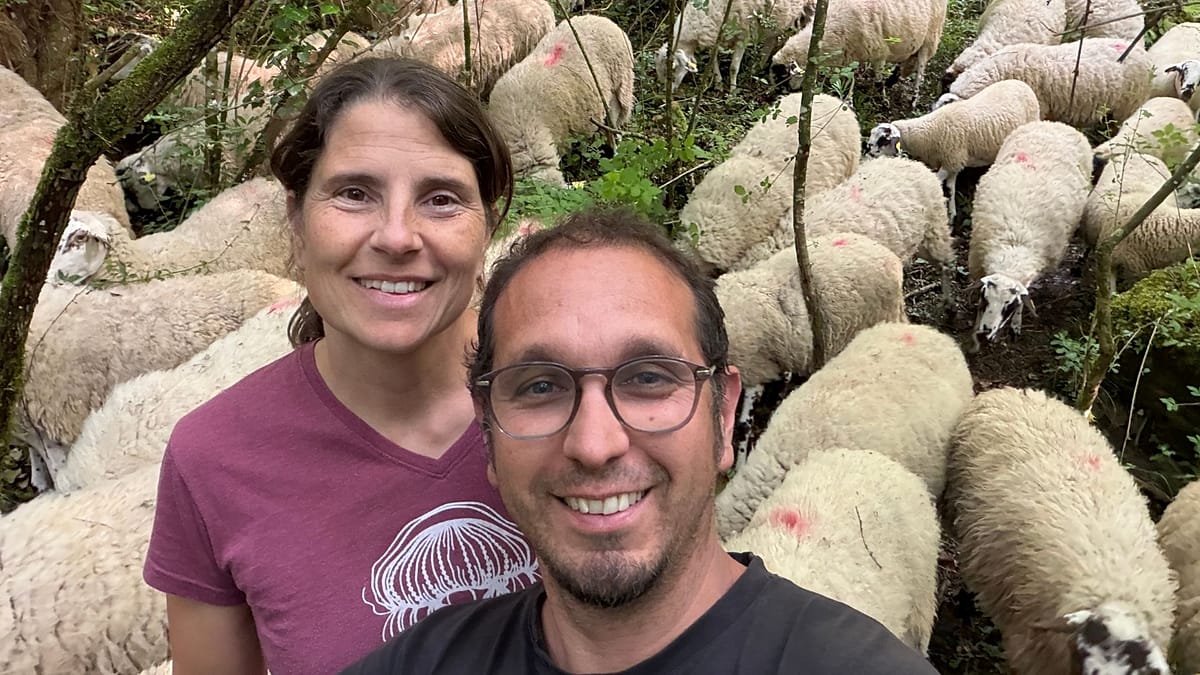
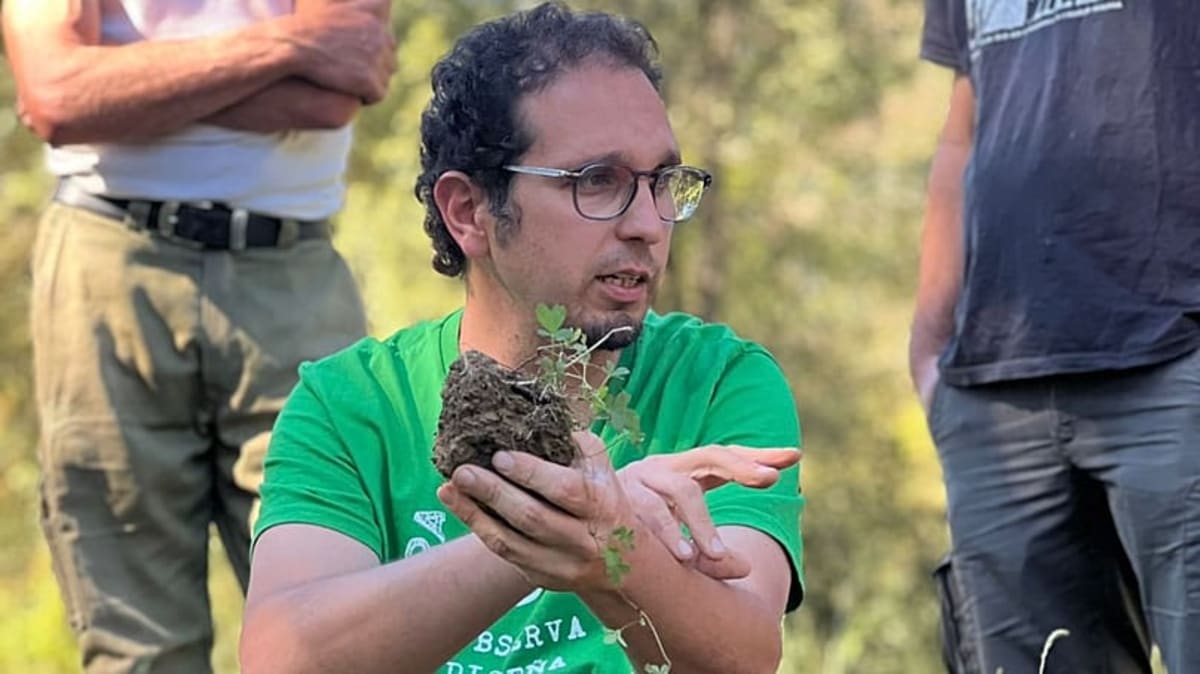
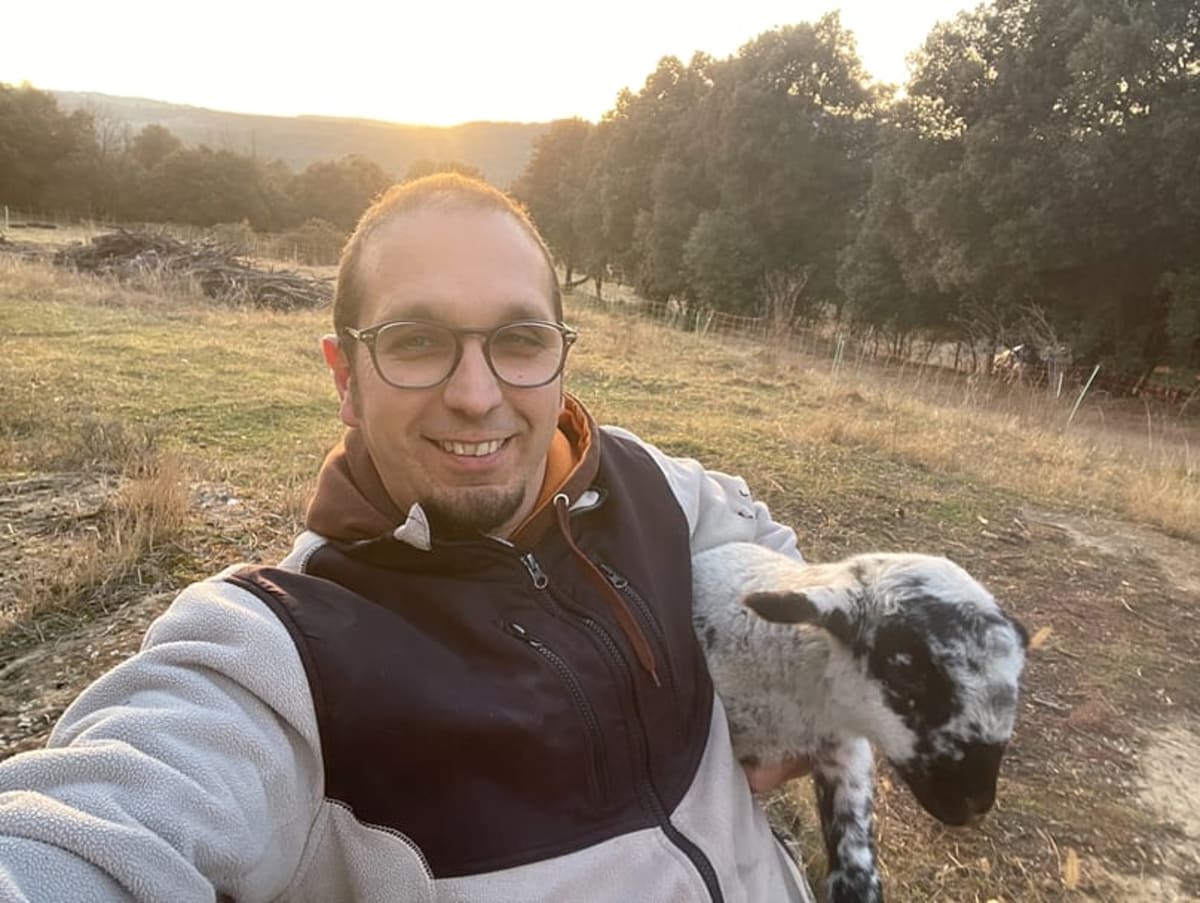
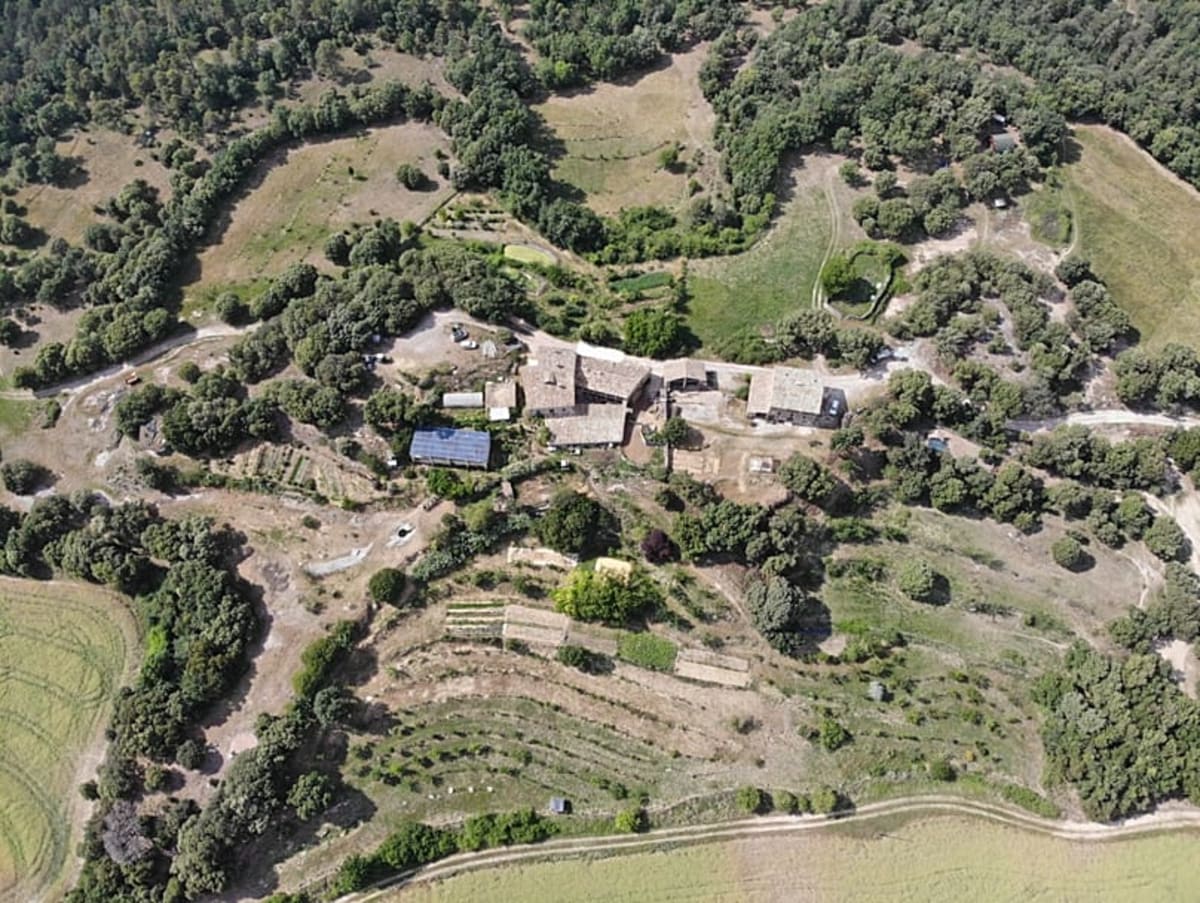
Sergi Caballero has spent over a decade preparing his Catalonia farm for this moment. As temperatures hit 45°C this summer and fires forced 300,000 people from homes across Spain and France, his land at Mas Les Vinyes stayed safe using a surprisingly simple tool: grazing animals.
"The single most important thing we can do is stop grass from drying out and building up," says Sergi, who also volunteers as a forest defense firefighter. "Keeping it grazed and managing the forest understorey with livestock is the key."
His approach includes strategic tree selection (removing fire-prone pines while keeping fire-resistant oaks), using livestock to clear dry grass before it becomes fuel, and placing two massive ponds holding a million liters of water as firebreaks. These practices have tripled his soil's ability to retain water.
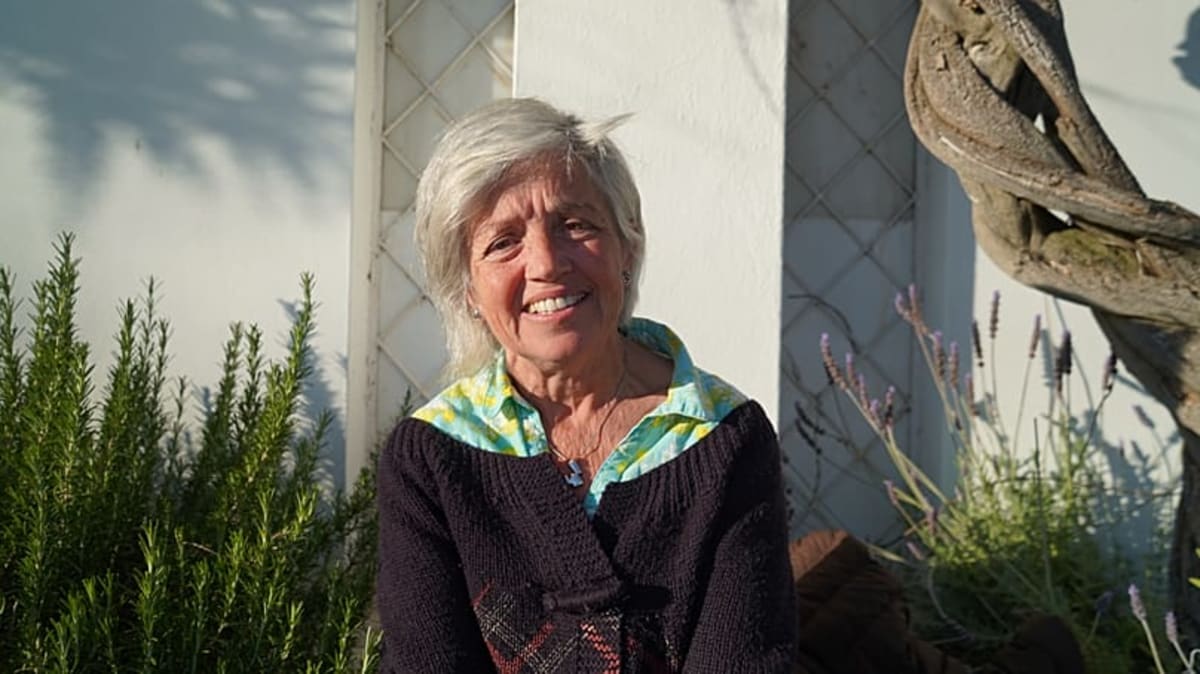
Down in Andalucía, farmer Carmen Bueno watched this year's wildfires pass through her regeneratively managed land with minimal damage. Her cork oaks, protected by 11 years of undisturbed bark growth, look scorched on the outside but survived underneath. Her sheep and horses had cleared the grass that would have fed bigger flames.
The Ripple Effect
The Spanish Association for Regenerative Agriculture compared recent fire damage on conventional farms versus regenerative ones. The results were striking.
On regeneratively managed land where sheep cleared vegetation daily, fires moved through quickly and trees survived. On neighboring conventional farms with unplanned grazing, thicker brush meant fires stayed longer and caused permanent damage to trees.
Commonland, a nonprofit working in over 50 countries to restore degraded landscapes, calls this approach Europe's most overlooked wildfire defense. "Our ecosystems have been stripped bare by industrial land use practices and we're witnessing the results in real time," says Lily Maxwell-Lwin, their head of advocacy.
The challenge isn't just climate. Sergi has already lost 20 pear trees to drought this year and replaced apricots with more resilient figs. "The crops that survive the climate crisis are worth the least," he notes. "That's a problem policymakers need to solve."
But the proof is in the unburned ground: when farmers work with nature instead of against it, both the land and communities become more resilient to fire.
More Images
Based on reporting by Euronews
This story was written by BrightWire based on verified news reports.
Spread the positivity!
Share this good news with someone who needs it