Dutch Farmers Grow Quinoa to Beat Rising Coastal Salt
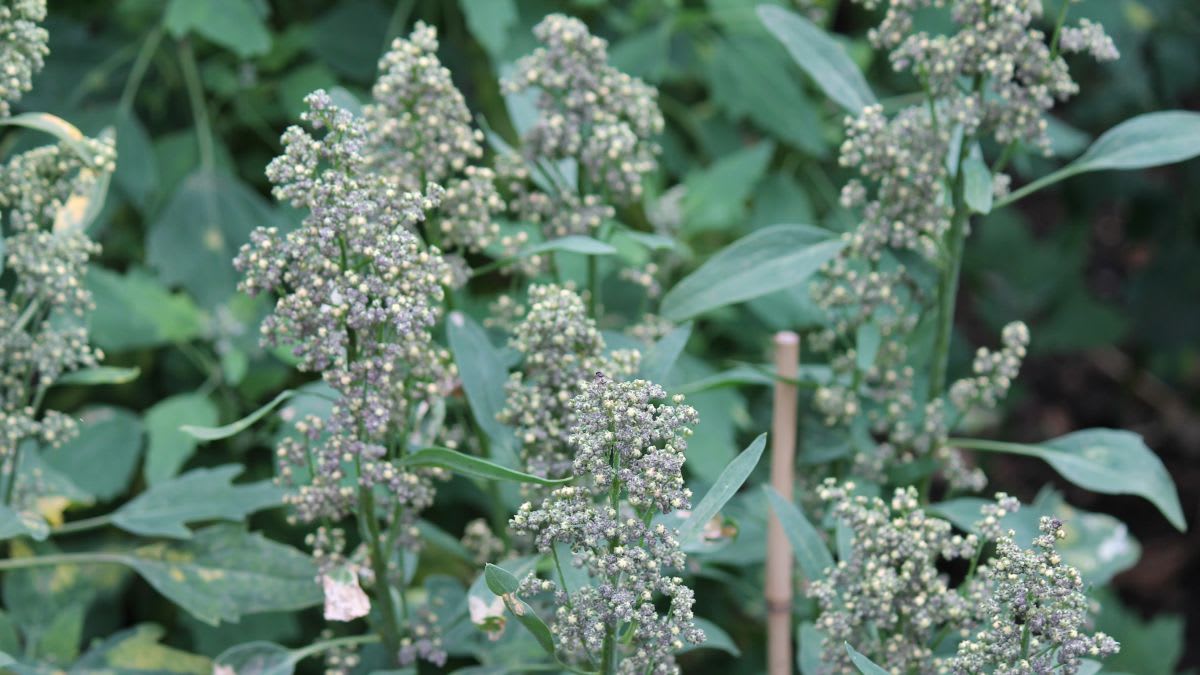
Two dozen Dutch farmers are now growing quinoa on salty coastal land where traditional crops fail. Supermarket chain Jumbo has switched entirely to local organic quinoa, proving sustainable farming can tackle climate challenges.
When the sea pushes salt into your farmland, most crops die. But farmers in the Netherlands just found a surprising solution from the Andes Mountains.
More than two dozen Dutch farmers are now growing quinoa on coastal land too salty for potatoes and onions. As climate change brings less fresh water and more drought, salt is creeping further inland along the Dutch coast and seeping up from underground.
Renze Rispens farms right next to the sea dyke in Groningen, where the soil has always carried high salt levels. After reading about quinoa in a farming magazine, he planted it last year and watched it thrive even during this summer's brutal drought.
The secret is in quinoa's ancestry. The grain comes from Lake Titicaca in the Andes, which was once saltwater. That ancient environment gave quinoa the ability to handle up to 12 grams of salt per liter of water. Potatoes start dying at just one gram.
Getting quinoa to grow in the Netherlands took decades of work. Robert Van Loom, a researcher at Wageningen University, started breeding Dutch quinoa in the 1990s. He crossed an Ecuadorian variety that couldn't handle long summer days with a Chilean one that tasted too bitter to eat. That hybrid became the foundation for quinoa farming across Europe.
Today, Dutch farmers work about 200 hectares of quinoa, producing 600 tonnes annually through a company called GreenFood50. Supermarket chain Jumbo now sells only organic Dutch quinoa under its own brand, switching completely from Peruvian imports through a three-year contract with 12 farmers.
The shift costs more upfront, according to Jumbo's sustainability manager Marjolein Verkerk, but she expects prices to balance out. The chain already sells hundreds of thousands of packs each year.
The Ripple Effect
This isn't just about one crop doing well in tough conditions. Dutch quinoa shows how farmers can adapt to climate challenges by looking to crops from other extreme environments. As saltwater intrusion threatens coastal farming worldwide, the Netherlands is proving that switching crops might work better than fighting the sea.
Other farmers are watching closely. What grows in salty Groningen today might be what feeds coastal communities everywhere tomorrow.
Based on reporting by Dutch News
This story was written by BrightWire based on verified news reports.
Spread the positivity!
Share this good news with someone who needs it