Dutch University Wins Fight for Women in Aerospace Program
A Dutch watchdog just cleared the way for more women to study rocket science. TU Delft can now reserve 30% of aerospace engineering spots for female students, breaking a barrier that's kept the field male-dominated for decades.
A Dutch university just won the right to open aerospace engineering to more women, and it could reshape who gets to build the future of flight.
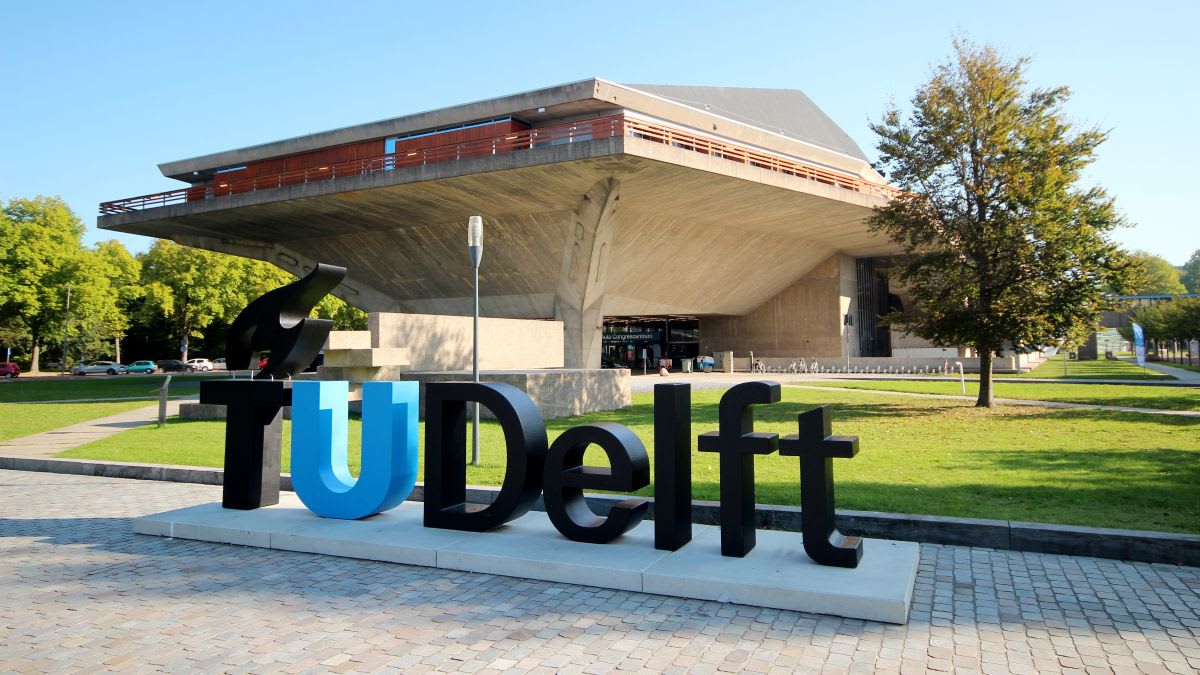
TU Delft, one of Europe's top engineering schools, can now reserve 132 of its 440 first-year aerospace spots for female applicants. The Netherlands Institute for Human Rights ruled Monday that the plan doesn't discriminate because women still face the same tough entrance requirements as men.
The university has tried for years to fix a stubborn problem. Only about 20% of aerospace students are women, a number that hasn't budged in years. School leaders say this creates a lopsided learning environment and keeps old stereotypes alive about who belongs in engineering.
The watchdog's decision revives a program that education inspectors shut down two years ago. Officials worried it violated a different law that bars universities from favoring applicants by gender. Now the institute is asking the education minister to figure out how to make both laws work together.
TU Delft wants to launch the new admission system for students starting in fall 2027. The school is already talking with the ministry about next steps.
The Ripple Effect
This ruling matters beyond one school's classroom. Aerospace engineering shapes everything from climate research satellites to commercial spaceflight. When half the population stays underrepresented, the field loses perspectives that could spark breakthrough ideas.
The change also sends a signal to teenage girls eyeballing STEM careers. Seeing other women in advanced engineering programs makes those paths feel more possible. Research shows diverse teams solve problems faster and design products that work better for everyone.
Other European universities are watching closely. If TU Delft's model works within the law, it could give them a roadmap to balance their own engineering programs without lowering standards.
The policy won't affect this year's incoming class, which includes Princess Ariane, youngest daughter of Dutch King Willem-Alexander and Queen Máxima. She earned her spot through the regular selection process and starts after summer.
The path forward still needs legal fine-tuning, but the core message is clear: making room for more women in aerospace isn't about lowering the bar, it's about making sure talent from every background gets a fair shot at reaching it.
Based on reporting by Dutch News
This story was written by BrightWire based on verified news reports.
Spread the positivity!
Share this good news with someone who needs it