Earthquake Tool Gets 17K Responses From Single Tweet in Japan
A crowdsourced earthquake reporting platform is breaking language barriers to help disaster responders worldwide. One social media post in Japan drove over 17,000 people to share their earthquake experiences, proving the power of accessible emergency tools.
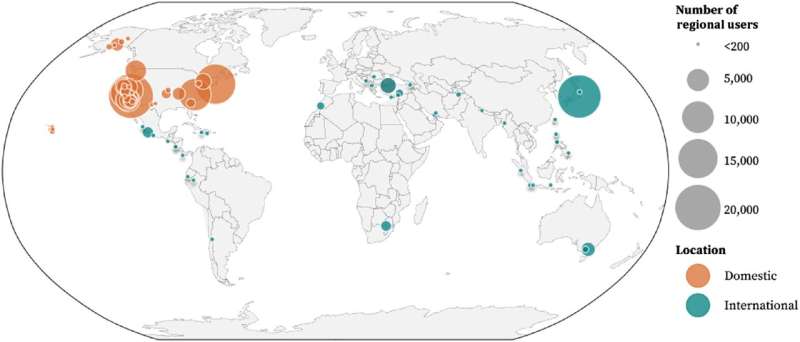
When a 5.9-magnitude earthquake struck Chiba, Japan in 2021, a single tweet from a local resident sparked something remarkable: 17,429 people rushed to report their experiences on a U.S. earthquake tracking platform.
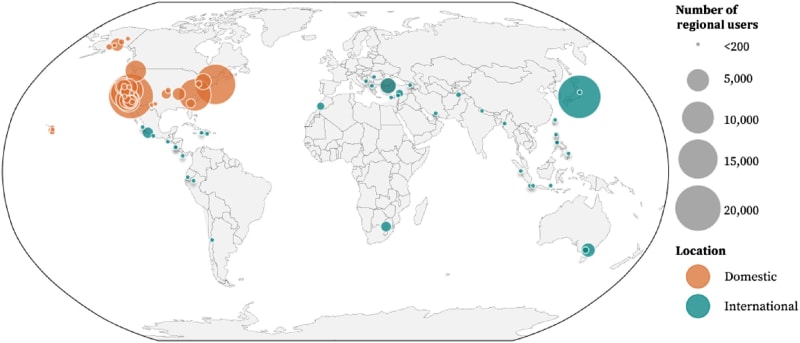
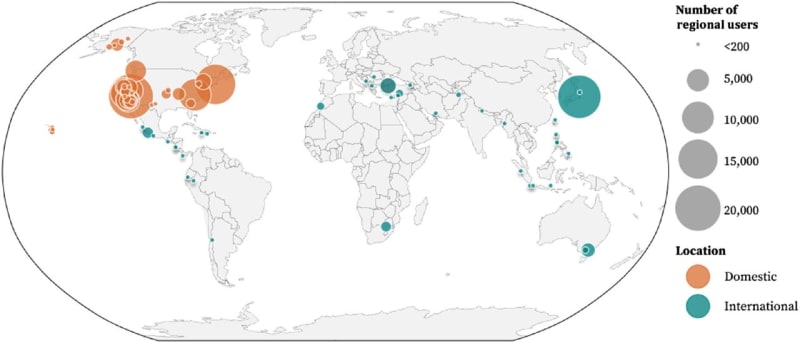
That response became the largest international engagement ever recorded for "Did You Feel It?" (DYFI), a crowdsourcing tool run by the U.S. Geological Survey. The platform transforms eyewitness reports into detailed damage maps that help first responders assess disasters within minutes.
Now researchers from the University of Michigan and USGS have figured out how to make the tool even more powerful. Their study analyzed over 1,700 earthquakes across 151 countries and discovered that language barriers and mobile access were holding back participation in areas that need it most.
The findings matter because DYFI data directly feeds emergency response decisions. FEMA uses the platform's damage estimates to allocate resources. The State Department's disaster response office relies on it to decide whether to send international aid. Hundreds of NGOs and foreign governments depend on these rapid assessments.
Currently, 83% of international users access DYFI through mobile devices, often finding it through social media. But many struggled with English-only forms. Japanese users commented about using translators to participate after the Chiba earthquake, showing their determination to document what they experienced.
The research team created a priority system weighing response rates, language access, internet availability, and earthquake exposure. China ranked highest for needing support, followed by Germany and Indonesia. These countries face frequent earthquakes, have large exposed populations, and lack local language options on the platform.
The Ripple Effect
The USGS has already started implementing changes based on the study. They're adding Chinese and German language options and improving how the platform works on mobile phones.
The improvements will help millions of people in earthquake-prone regions contribute vital information during disasters. When crowdsourced data fills gaps where physical sensors are sparse, emergency responders get more accurate pictures of damage and can direct help where it's needed most.
"Crowdsourcing tools give the power to the people to help refine earthquake maps and damage estimates," said Sabine Loos, assistant professor at U-M and senior author of the study. Making the tool available in local languages scales up accessibility in countries that need it most.
The research proves that breaking down simple barriers like language and mobile optimization can transform how communities worldwide contribute to their own disaster response and recovery.
More Images
Based on reporting by Phys.org - Earth
This story was written by BrightWire based on verified news reports.
Spread the positivity!
Share this good news with someone who needs it