EasyJet's 100th Eco-Friendly Plane Cuts Emissions 20%
Budget airline easyJet just received its 100th fuel-efficient aircraft, bringing quieter flights and 20% lower carbon emissions to millions of travelers. The milestone marks a major win in making air travel cleaner without raising ticket prices.
Flying just got a whole lot greener for one of Europe's largest budget airlines.
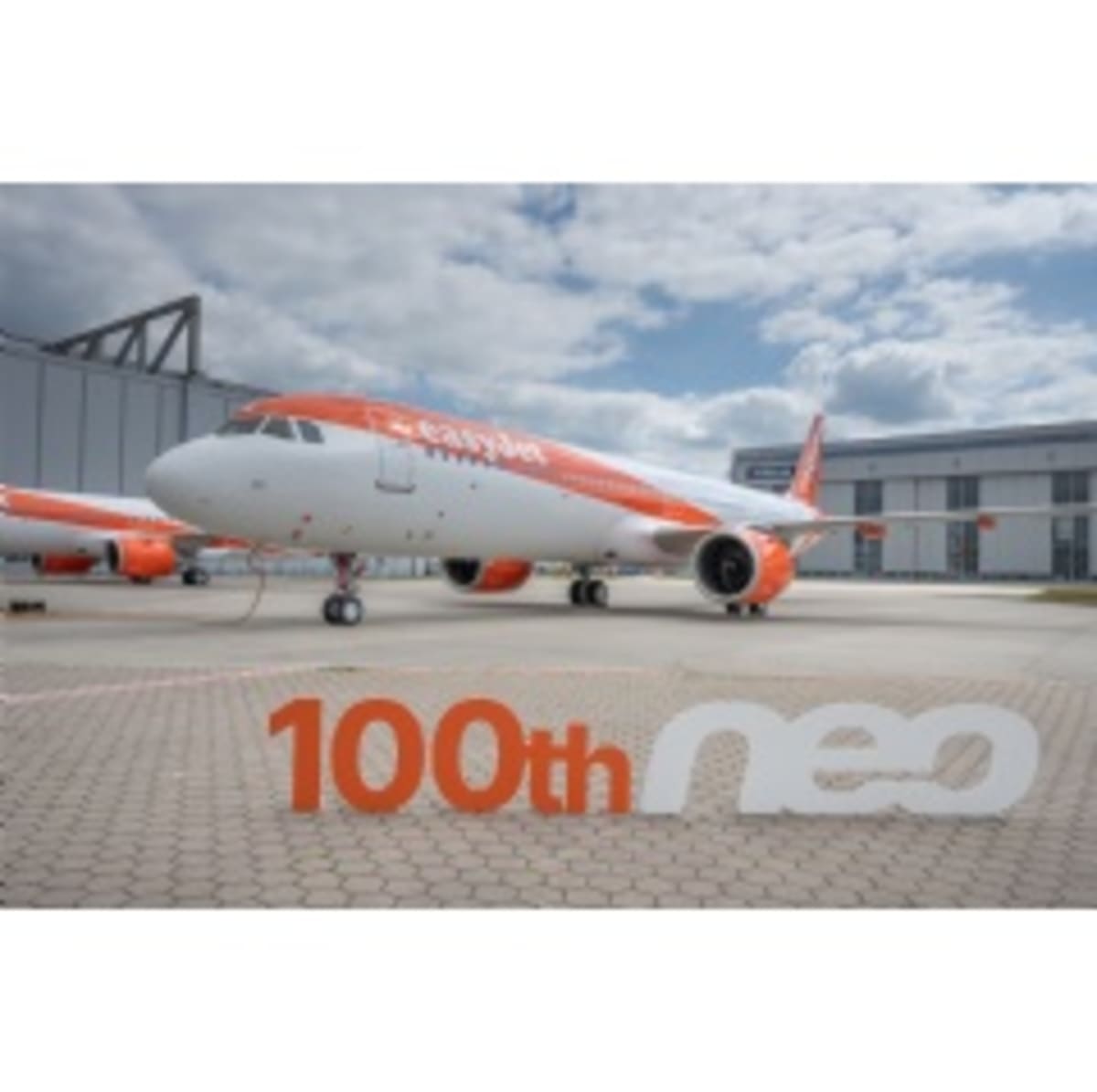
EasyJet celebrated the arrival of its 100th Airbus NEO aircraft in Hamburg, Germany, marking a turning point in the company's mission to cut carbon emissions while keeping flights affordable. These next-generation planes burn 20% less fuel per passenger and produce half the noise of older models.
The eco-friendly aircraft now make up over a quarter of easyJet's 359-plane fleet. Each NEO (New Engine Option) plane releases significantly less CO₂ into the atmosphere compared to the jets it replaces, helping the airline work toward its goal of reducing carbon emissions by 35% by 2035.
But the improvements aren't just environmental. The new planes feature upgraded cabins with better lighting, more shoulder room, and touchless bathroom features. Visually impaired passengers will find braille indicators on seat rows for easier navigation.
Behind the scenes, flight crews get redesigned kitchens with improved storage and ovens in both the front and back galleys for the first time. The planes also feature new LED runway lights built into the fuselage instead of the landing gear, reducing drag and weight while improving performance.
The aircraft can already fly using 50% sustainable aviation fuel, with plans to reach 100% by 2030. Digital systems onboard help pilots and ground crews make smarter, more efficient decisions in real time.
The Ripple Effect
EasyJet's fleet upgrade sends ripples far beyond its own operations. By proving that budget airlines can invest in cleaner technology without sacrificing affordability, the company sets an example for the entire aviation industry.
The airline is doubling down on efficiency gains. Starting in 2028, easyJet will install ultra-lightweight seats that are 20% lighter than current models, saving 40,000 tonnes of CO₂ annually while giving passengers two extra inches of legroom. The company is also adding advanced wing tips called sharklets to older planes, which will save 308 tonnes of fuel and 970 tonnes of CO₂ per aircraft each year.
With aviation responsible for roughly 2-3% of global carbon emissions, every percentage point of improvement matters. EasyJet carries over 90 million passengers annually, meaning these cleaner planes will reduce emissions for millions of everyday travelers who rely on affordable flights to visit family, take vacations, or conduct business.
Other airlines are watching closely. As easyJet proves that environmental responsibility and budget travel can coexist, competitors face growing pressure to follow suit.
The 100th plane represents more than a number—it's proof that the aviation industry can chart a path toward sustainability one flight at a time.
Based on reporting by Google News - Emissions Reduction
This story was written by BrightWire based on verified news reports.
Spread the positivity!
Share this good news with someone who needs it