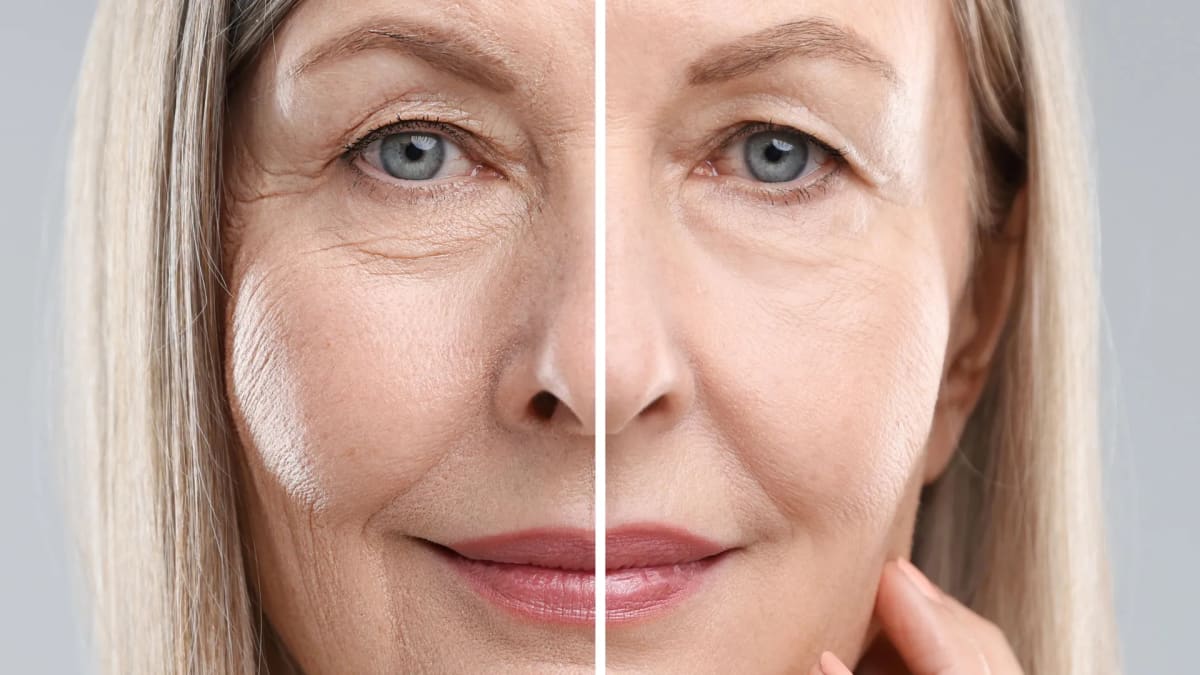
Eating Less Fat Made Adults Biologically Younger in 4 Weeks
Australian scientists discovered that older adults who changed their diet showed signs of biological age reversal in just one month. Three out of four dietary approaches made 65 to 75 year olds appear younger at the cellular level.
What if you could turn back your biological clock in less time than it takes to finish a Netflix series? Scientists in Australia just discovered that older adults might do exactly that by simply changing what's on their plates.
Researchers at the University of Sydney studied 104 people aged 65 to 75 and found something remarkable. After just four weeks of eating differently, most participants showed signs that their bodies were aging more slowly.
The team divided participants into four groups. Each group ate the same amount of protein but different combinations of fat, carbohydrates, and animal versus plant sources. Then they measured 20 different health markers in the blood, including cholesterol, insulin, and inflammation levels.
Three of the four groups showed younger biological age scores after the month ended. The biggest winner? People who ate less fat and more carbohydrates while still including meat and fish in their diets.
The one group that didn't see changes ate a high fat diet similar to what they'd been eating before the study. Everyone else who switched things up saw improvements.
Dr. Caitlin Andrews, who led the research published in Aging Cell, emphasizes these are early findings. The team doesn't yet know if the changes stick around long term or actually prevent age related diseases.
The Bright Side
This research offers something many people didn't think possible: measurable age reversal in an incredibly short timeframe. While scientists have long known that diet affects health over years and decades, seeing biological improvements in just 28 days opens new possibilities.
The study also shows that meaningful change doesn't require extreme measures. Participants didn't go on restrictive crash diets or eliminate entire food groups. They simply adjusted the balance of what they were already eating.
Associate Professor Alistair Senior, who supervised the work, notes that longer studies are needed. But the initial signal is encouraging for anyone wondering if it's too late to make healthy changes.
The findings suggest our bodies might be more responsive to positive changes than we realized, even in our later decades. For the millions of older adults looking for ways to stay healthy and active, that's genuinely hopeful news.
While this research won't earn you a fountain of youth medal just yet, it shows that our biological age isn't set in stone, and small dietary shifts might matter more than we thought.
Based on reporting by Health Daily
This story was written by BrightWire based on verified news reports.
Spread the positivity!
Share this good news with someone who needs it