Ecologist Says Nature's Feedback Loops Can Heal the Planet
Thomas Crowther's new book argues the same forces that accelerate climate damage could drive ecological recovery. His research shows how restoration projects create self-reinforcing cycles when they improve people's lives.
A British ecologist who helped launch a global movement to restore forests now says the key to saving nature isn't just planting trees. It's understanding how small changes can trigger big ones.
Thomas Crowther's new book, Nature's Echo, presents a bold idea. The feedback loops that drive climate destruction could also power ecological healing.
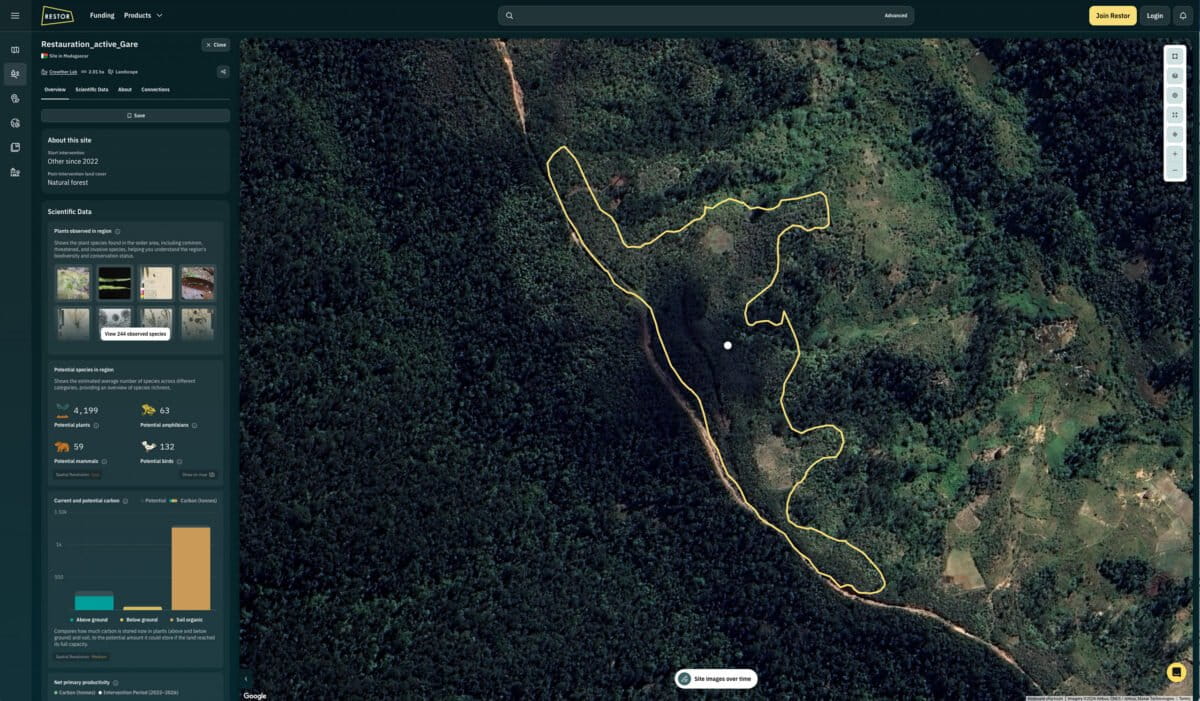
Crowther founded the Crowther Lab at ETH Zurich and created Restor, a platform connecting conservation projects worldwide. His 2019 research on forest restoration potential reached audiences far beyond academia and influenced the World Economic Forum's Trillion Trees initiative.
His central argument challenges traditional conservation thinking. Feedback loops happen when one change triggers another that reinforces the first. Stars form this way. Climate systems destabilize this way. And ecosystems can recover this way too.
The key is making nature work for people, not against them. When restored forests support local income, improve health, or protect crops, communities have real reasons to protect more nature. Those benefits then create conditions for further recovery.
Crowther applies this thinking beyond forests. He sees renewable energy, electric vehicles, and regenerative farming as systems beginning to reinforce themselves. Once an option becomes cheaper or easier, adoption no longer depends on guilt or pressure. It draws strength from its own success.
He even uses sound to measure ecological health. Bioacoustics can reveal ecosystem complexity by tracking frequencies from birds, insects, wind and rain. Healthy ecosystems have soundscapes people instinctively prefer, opening imagination alongside data.
The Ripple Effect
Crowther's work shows how individual actions fit into larger systems of change. A single restoration project doesn't just add trees. It can shift local economics, improve community health, and create incentives that spread to neighboring areas.
His research informed the UN Decade on Ecosystem Restoration, where he served as advisory board co-chair. The feedback loop principle now shapes how international organizations approach conservation.
The concept extends to human psychology too. Optimism and behavior aren't separate from environmental outcomes. They're part of the forces that influence them. When people see nature improving their lives, they become invested in protecting it.
This reframes what conservation means. Instead of isolated interventions, Crowther advocates cultivating self-reinforcing systems. The goal isn't just stopping damage. It's creating conditions where healing accelerates itself.
His childhood fascination with lizards on a French wall has evolved into a way of reading the living world as interconnected signals and consequences. That same pattern recognition now guides his approach to planetary repair.
The message offers genuine hope without false promises: nature's own mechanisms, properly understood and supported, contain the seeds of their own renewal.
More Images
Based on reporting by Mongabay
This story was written by BrightWire based on verified news reports.
Spread the positivity!
Share this good news with someone who needs it