Philippines Opens One of World's Largest Solar Farms
The Philippines just flipped the switch on a massive solar farm that could power over a million homes while slashing electricity costs. It's a game-changer for a country that's been paying the highest power bills in Southeast Asia.
The Philippines just turned on the first phase of what will become one of the world's largest solar-plus-battery farms, and it couldn't come at a better time for families struggling with sky-high electricity bills.
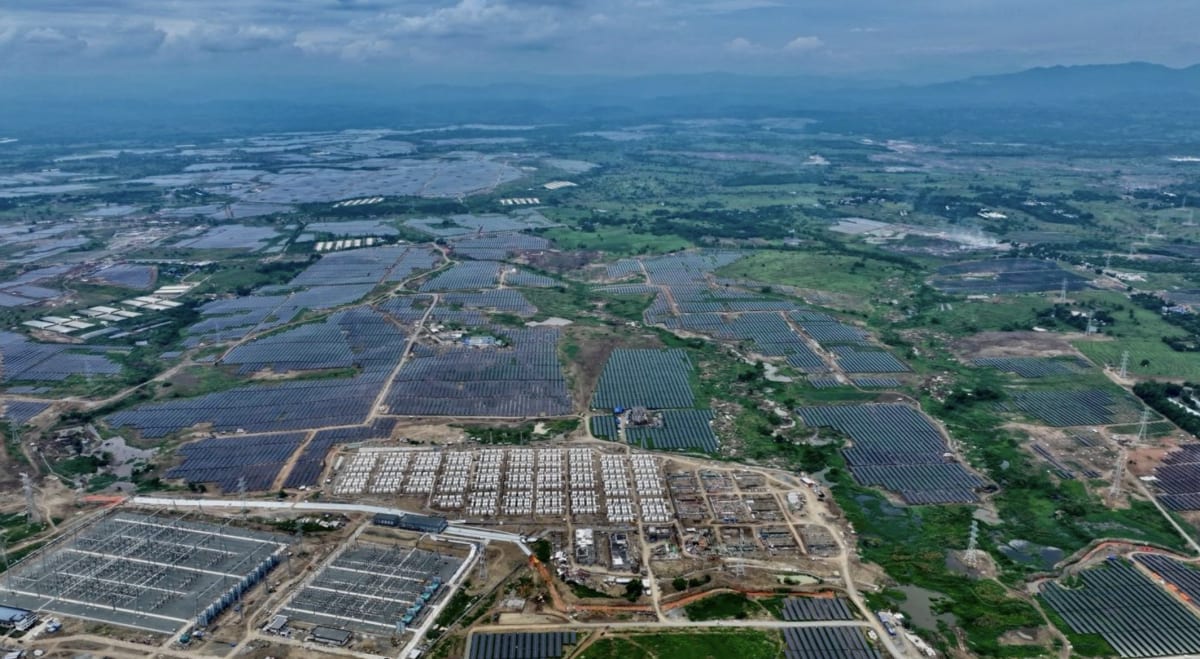
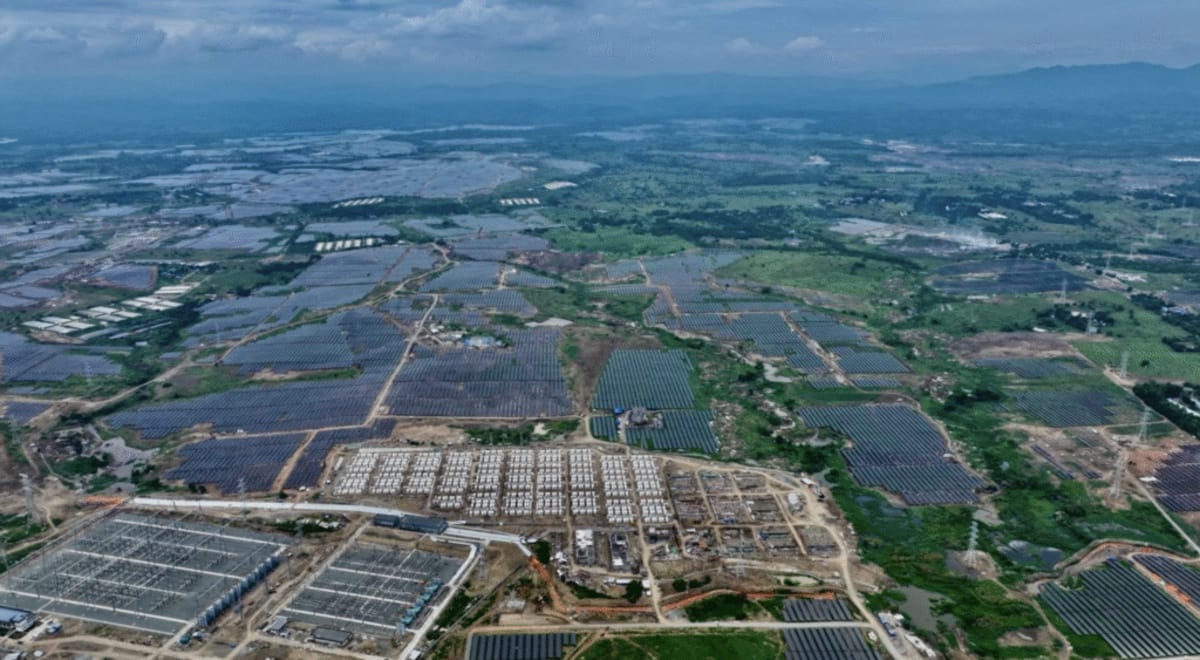
The MTerra Solar project lit up 1,373 megawatts of solar panels backed by massive battery storage in Nueva Ecija and Bulacan provinces. That's enough clean energy to power roughly 600,000 homes right now, with plans to more than double that capacity next year.
The timing matters because Filipino families currently pay the highest residential electricity rates in Southeast Asia. Coal still generates 57% of the country's power, leaving households vulnerable every time global fuel prices spike.
President Ferdinand Marcos Jr. attended the inauguration ceremony and acknowledged the urgency. "The need to boost our energy sector has never been more apparent or more urgent," he said, pointing out that renewable energy still makes up only 25% of the nation's power mix.
The project delivers power at the lowest cost Meralco, the country's largest electric distributor, has ever secured for this type of energy agreement. Once fully operational by August, it will supply 600 megawatts to the grid, with complete project finish scheduled for next year.
Building at this speed required coordination on a massive scale. More than 10,000 workers collaborated to install solar panels and energize 741 battery units across the sprawling facility on Luzon island.
The Ripple Effect
This solar farm represents more than just cheaper electricity bills. It's sparking a nationwide solar revolution as residents and businesses rush to install their own panels.
The combination of high electricity costs and this high-profile renewable energy success is driving record solar panel imports across the Philippines. Homeowners and shop owners alike are taking energy independence into their own hands.
The project proves that developing nations don't have to choose between economic growth and clean energy. By diversifying away from imported coal and fossil fuels, the Philippines is building resilience against global market shocks while cutting carbon emissions.
When the second phase completes next year, the facility will boast 3.5 gigawatts of solar capacity and 4.5 gigawatt-hours of battery storage. That infrastructure will anchor the country's renewable energy grid for decades to come.
Families across Luzon can now look forward to more stable electricity prices powered by sunshine instead of coal ships.
More Images


Based on reporting by PV Magazine
This story was written by BrightWire based on verified news reports.
Spread the positivity!
Share this good news with someone who needs it