Egypt Fish Fossils Show Ocean Recovery After Dinosaurs
Scientists in Egypt discovered nearly 500 fossilized fish that reveal how ocean life bounced back just 4 million years after the asteroid that killed the dinosaurs. The "petrified aquarium" fills a 10-million-year gap in our understanding of marine evolution. #
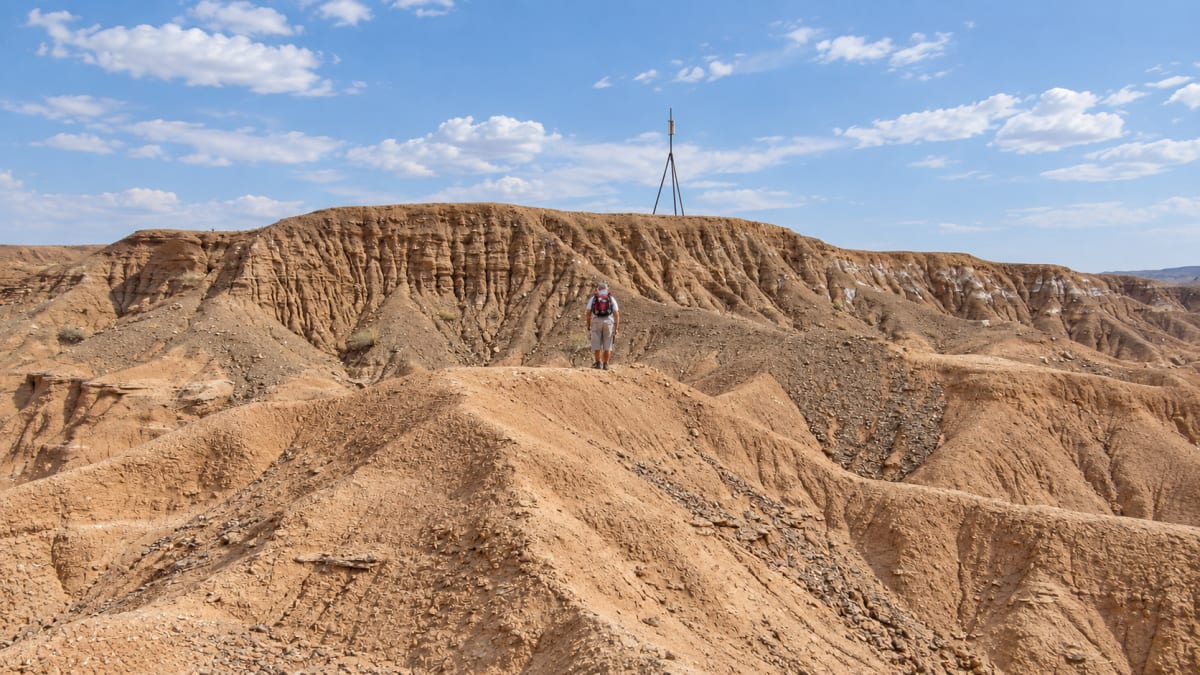
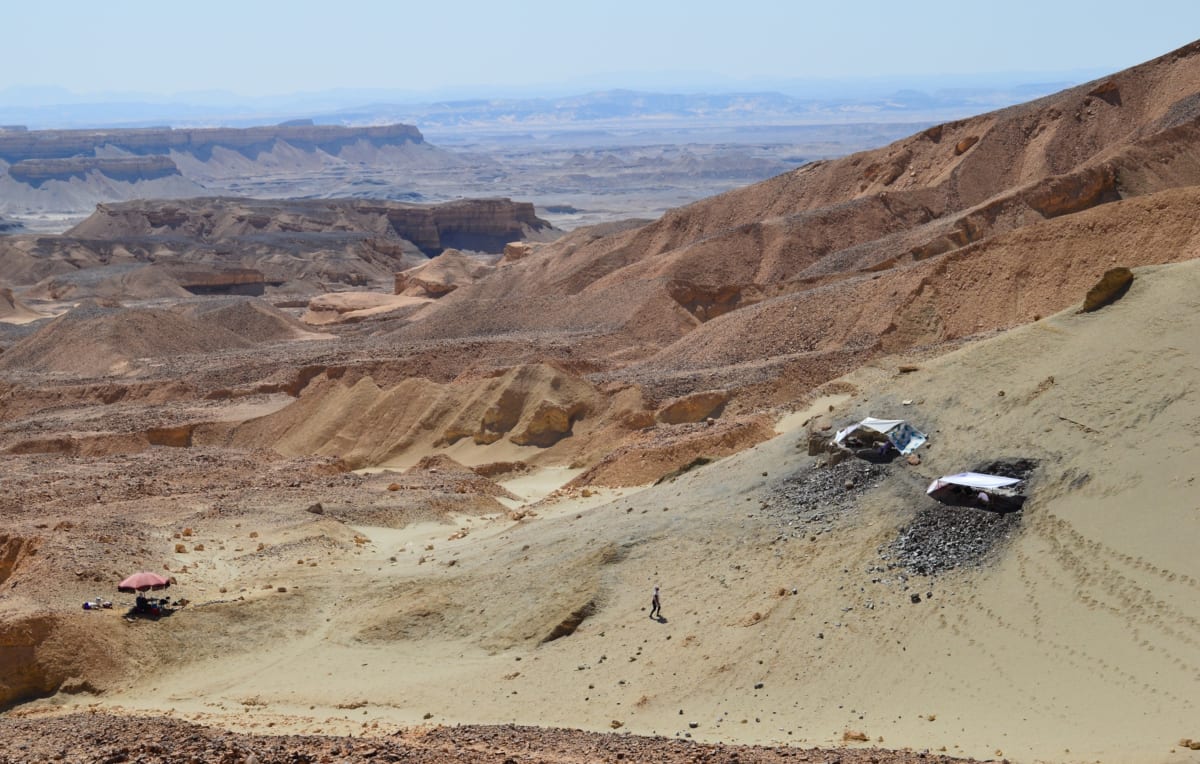
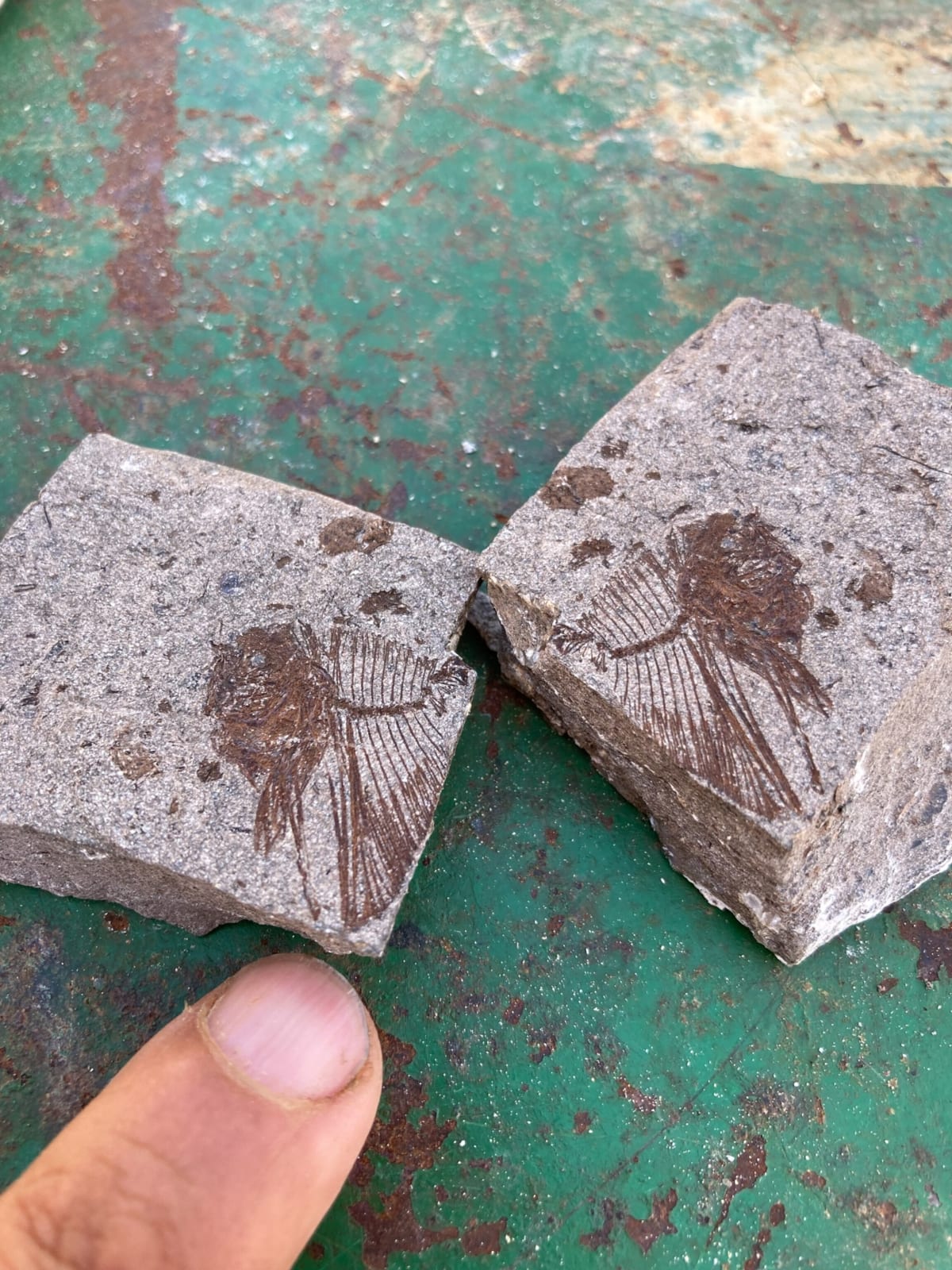
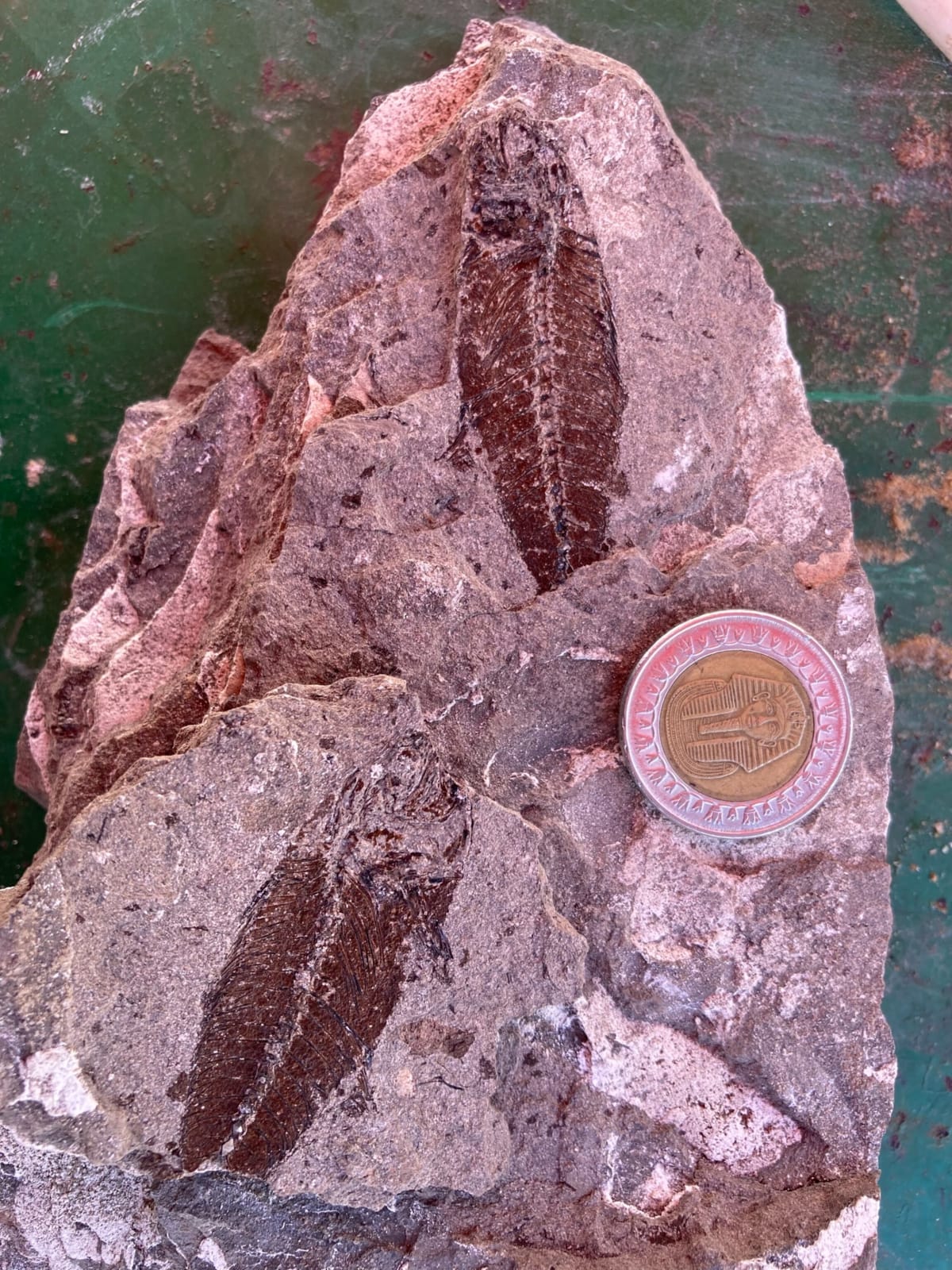
Picture a frozen snapshot of life from 62 million years ago, preserved so perfectly you can count the teeth. That's what paleontologists found buried in Egypt's Eastern Desert.
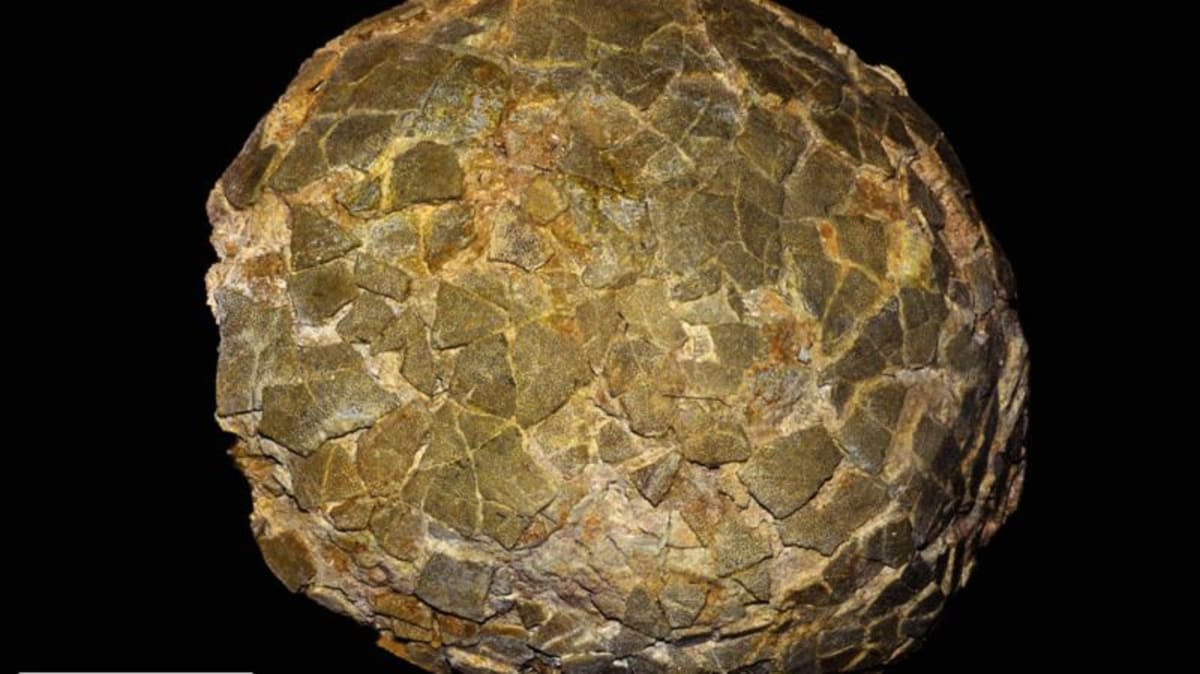
Scientists from Mansoura University unearthed nearly 500 fossilized fish representing more than 20 different species at a site called Qreiya 3. The discovery answers a question that has puzzled researchers for decades: how did ocean life recover after the catastrophic asteroid impact that ended the Age of Dinosaurs?
"When we arrived at the site and began finding well-preserved fish specimens in the sediment, we knew we were dealing with something exceptional," says paleontologist Sanaa El-Sayed, who led the research published in Science Advances. The team excavated the fossils in July 2023 from rocks dating to just 4 million years after the extinction event.
While scientists have documented how forests and mammals returned on land, the ocean's recovery story remained mysterious. Previous fossil records showed a puzzling 10-million-year void where almost no fish fossils could be found. Researchers even named this gap the "Patterson Gap" after the British paleontologist who first noticed it.
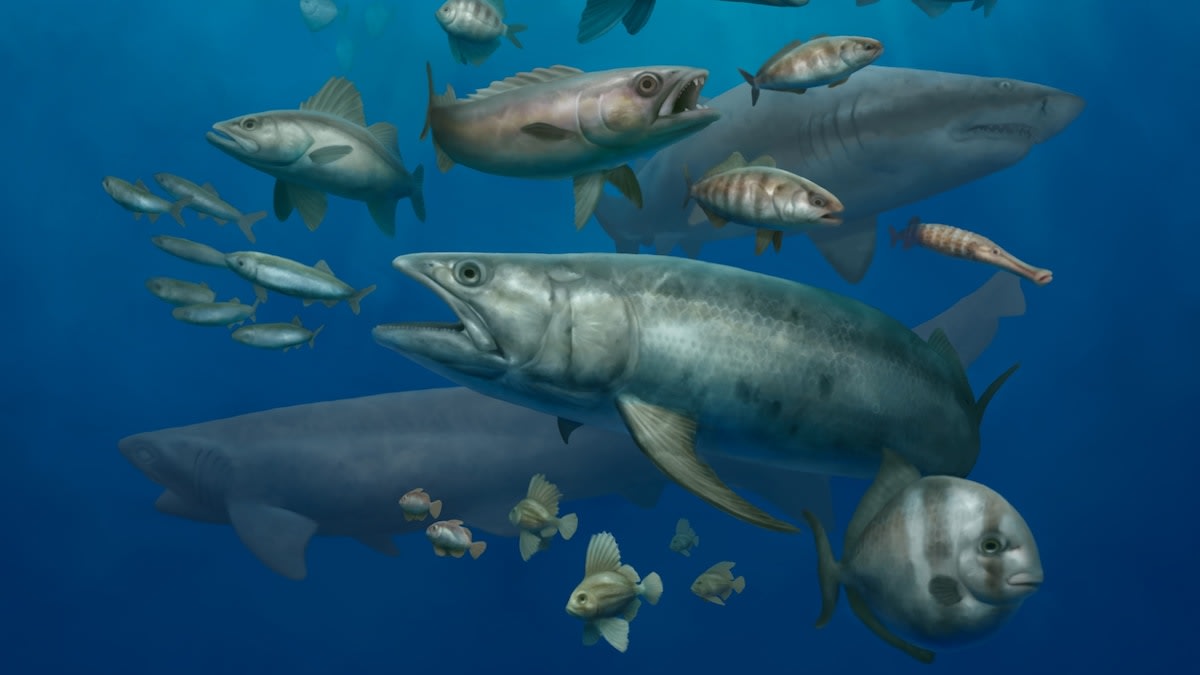
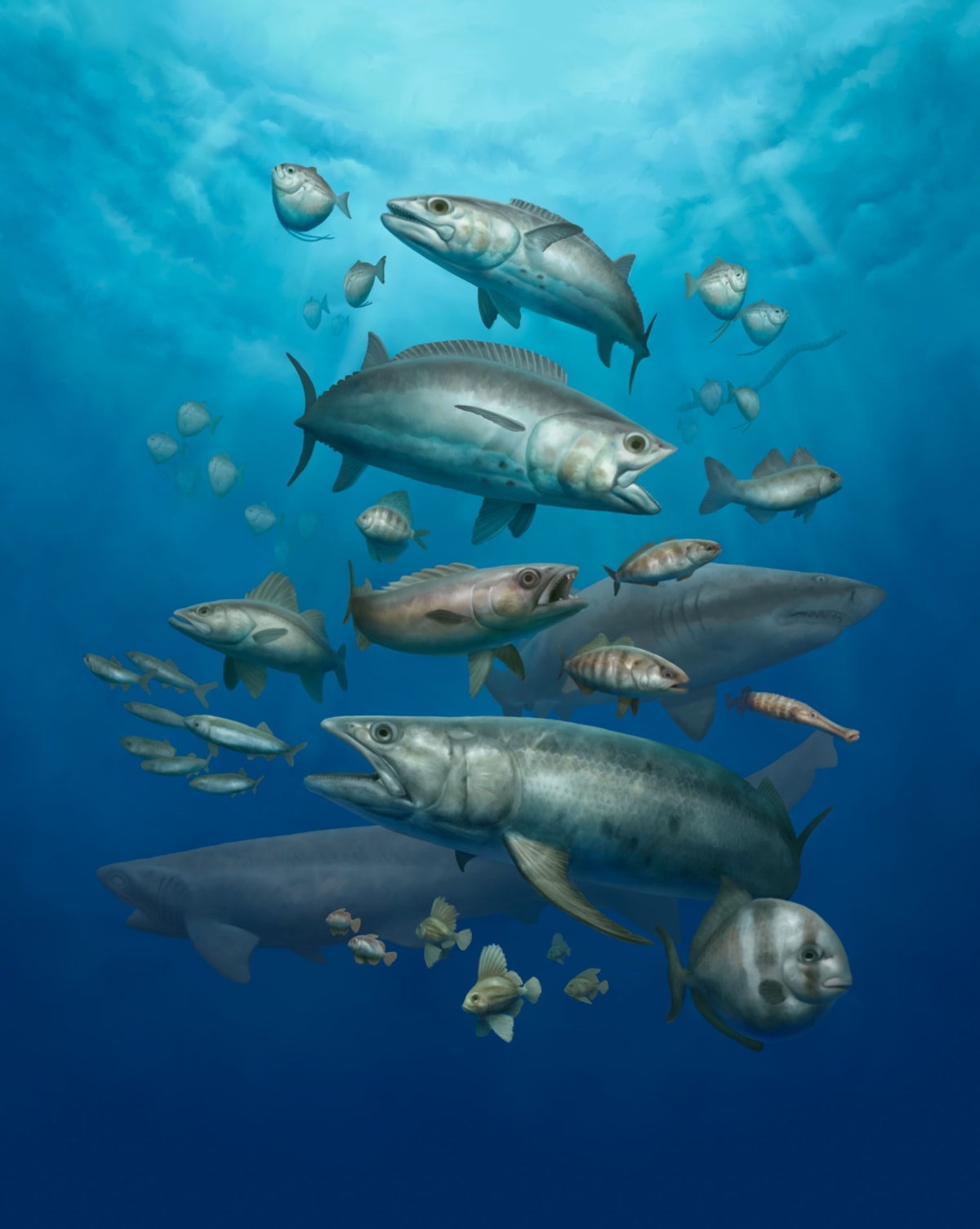
The Egyptian fossils reveal something surprising. One fish family called percomorphs, which were rare before the extinction, absolutely exploded in diversity afterward. Today, more than 17,000 percomorph species swim in our oceans, including tuna, seahorses, perches, and anglerfish.
El-Sayed's team found the oldest known tuna relatives, complete with their telltale predatory teeth. They discovered ancient moonfish, armored relatives of modern seahorses, and sleek jack fish. The abundance and variety suggest that when the asteroid devastated ocean food webs, it actually created opportunities for these survivors to rapidly evolve into new forms.
Why This Inspires
This discovery proves that nature finds a way, even after planet-scale disasters. The same fish families that rebounded 62 million years ago now feed billions of people and support ocean ecosystems worldwide.
The site is exceptional for another reason: it's what paleontologists call a lagerstätte, a "storage place" where fossils preserve in extraordinary detail. Researchers have only scratched the surface of what's buried there.
"Qreiya 3 provides one of the clearest views yet of how modern marine ecosystems emerged," says paleontologist Hesham Sallam, who co-authored the study. The fossils show that many fish groups important in today's oceans were already thriving just a few million years after catastrophe struck.
Elizabeth Sibert, a paleontologist from Woods Hole Oceanographic Institute not involved in the research, called the discovery critical fossil evidence from "what was a critical time." By filling the Patterson Gap, these ancient fish are finally telling their comeback story.
#
More Images
Based on reporting by Google: fossil discovery
This story was written by BrightWire based on verified news reports.
Spread the positivity!
Share this good news with someone who needs it