Egypt Fossil Site Reveals How Modern Fish Survived Extinction
Scientists discovered fossils of six modern fish groups in Egypt, filling a mysterious 10-million-year gap in the fossil record after the asteroid that killed the dinosaurs. The find shows how today's ocean fish rapidly evolved after one of Earth's biggest disasters.
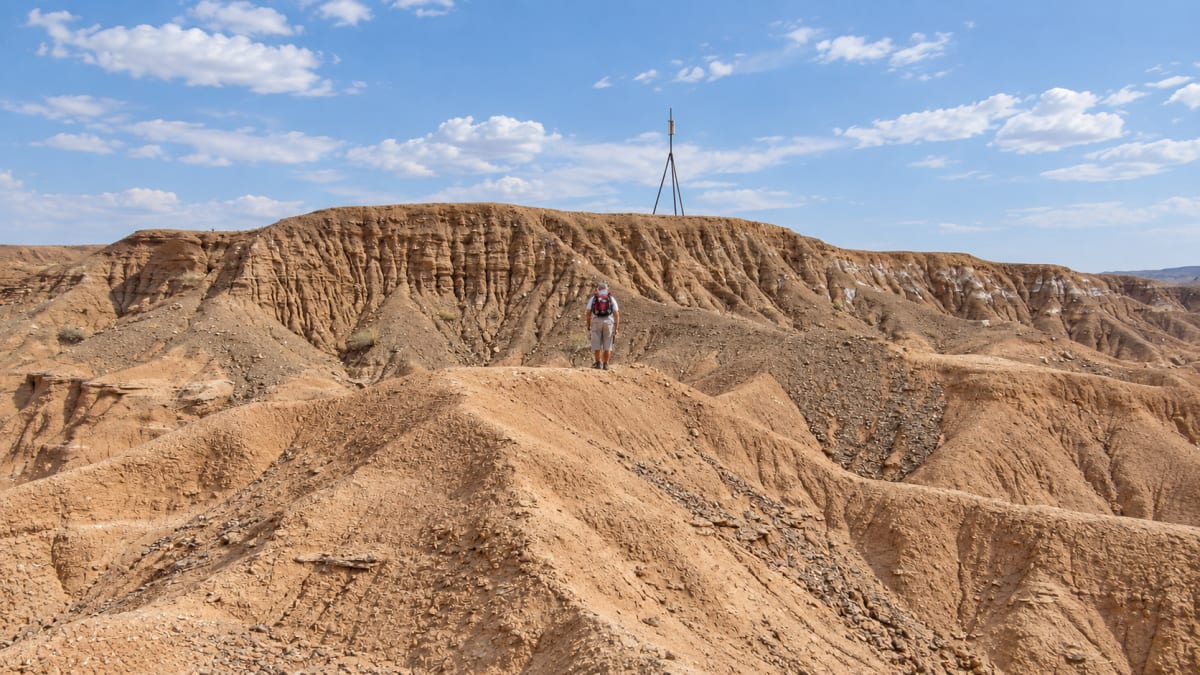
A fossil site in Egypt's Eastern Desert is rewriting the story of how the fish in our oceans today survived the same asteroid that wiped out the dinosaurs 66 million years ago.
University of Michigan doctoral student Sanaa El-Sayed led a team that discovered the earliest known fossils of six modern fish groups, including jacks, moonfish, and pipefish (the family that includes seahorses). The fossils date back 62.2 million years, helping solve a puzzle that has stumped scientists for decades.
After the asteroid struck Earth, fish seemingly vanished from the fossil record for about 10 million years. When whole fish skeletons appeared again around 56 million years ago, they looked completely different from the fish that swam before the impact.
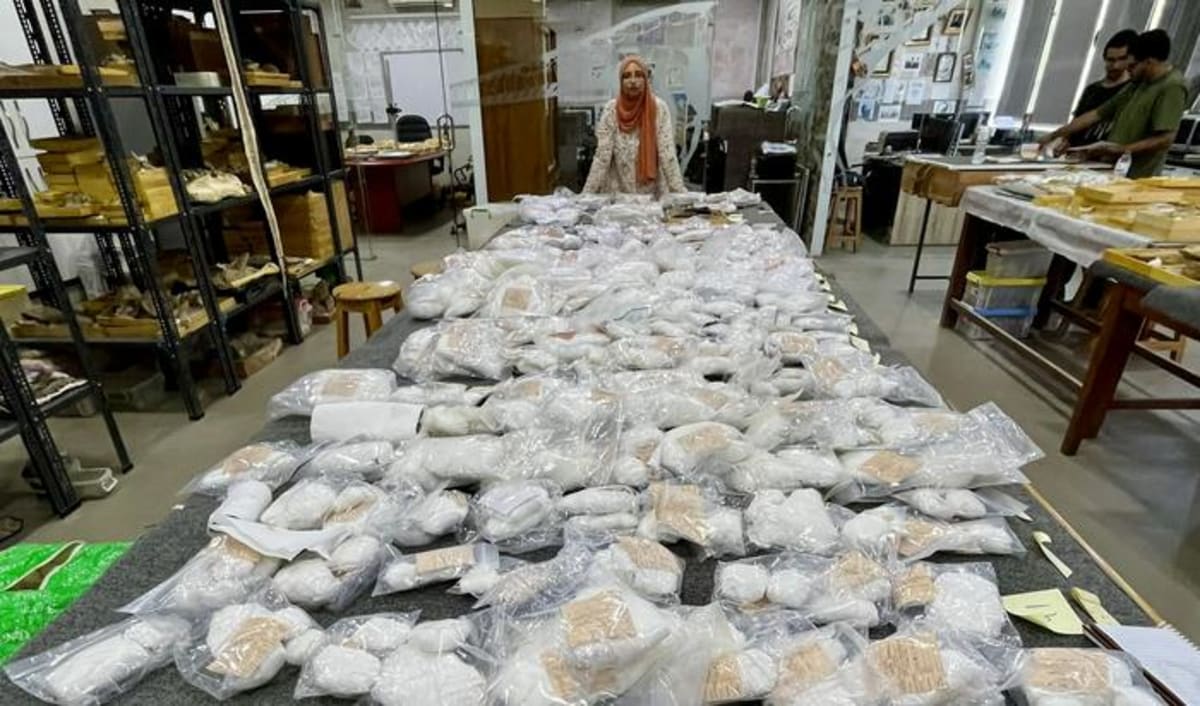
El-Sayed found the first clue when reading an older geology study that mentioned a fish fossil bed dated to the middle of this mysterious gap. She and her team from Mansoura University Vertebrate Paleontology Center began excavating and hit gold.
"It was mindblowing that this site is now helping us answer the questions of when and where and what was present in the modern ocean just a few million years after the dinosaurs went extinct," El-Sayed said.
The team discovered 21 different kinds of fish across nine orders. Most belong to percomorphs, a major group that dominates today's oceans but was rare during the age of dinosaurs.
Why This Inspires
This discovery does more than fill gaps in dusty museum records. It shows nature's incredible ability to bounce back from catastrophe and reinvent itself.
The findings also revealed an interesting pattern: these modern fish groups first appeared in tropical waters before spreading to cooler regions over millions of years. The tropics became an evolutionary laboratory where today's ocean diversity was born.
Study co-author Matt Friedman, director of the U-M Museum of Paleontology, had long been frustrated by this gap in the fossil record. The new site finally provides direct evidence that old fish groups truly went extinct during the asteroid impact, while modern-looking fish established themselves remarkably quickly afterward.
The discovery proves that even after Earth's worst disasters, life finds creative ways to not just survive but thrive in spectacular new forms.
More Images
Based on reporting by Google: fossil discovery
This story was written by BrightWire based on verified news reports.
Spread the positivity!
Share this good news with someone who needs it