Egypt Uncovers 1,700-Year-Old Christian City in Desert
Archaeologists discovered a complete Byzantine-era Christian city beneath Egypt's Dakhla Oasis, revealing churches, homes, and artifacts from Christianity's earliest centuries. The find offers a rare window into how ancient Christian communities thrived in the Egyptian desert.
Beneath the sands of Egypt's western desert, archaeologists just uncovered an entire Christian city frozen in time for 1,700 years.
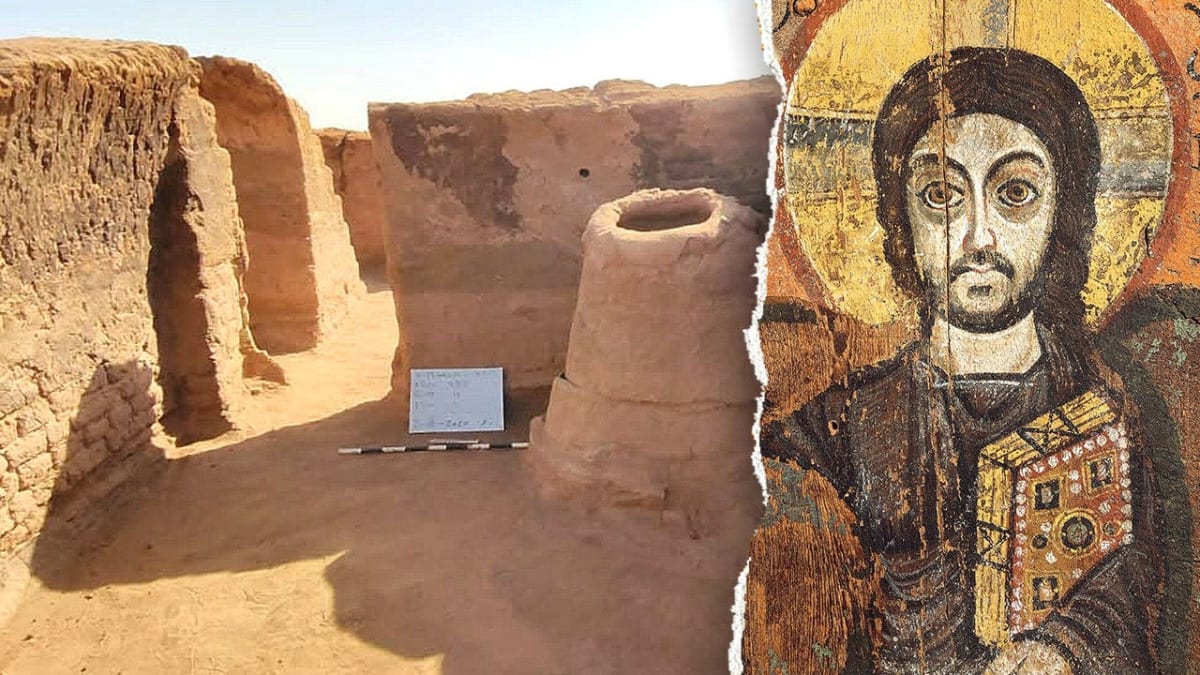
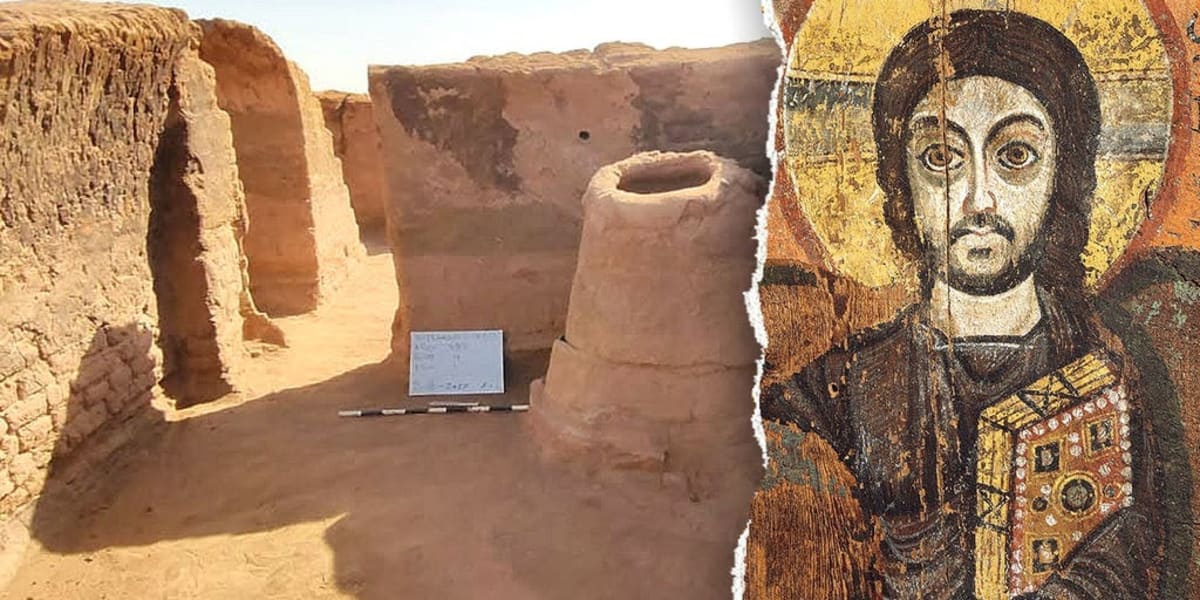
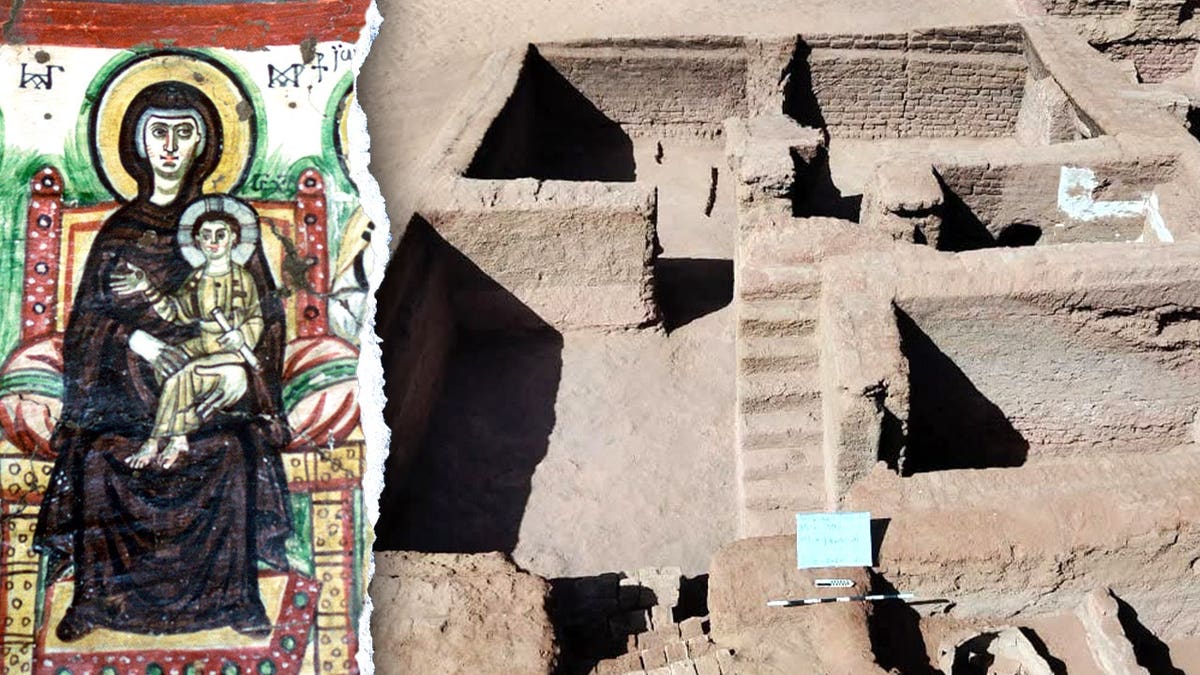
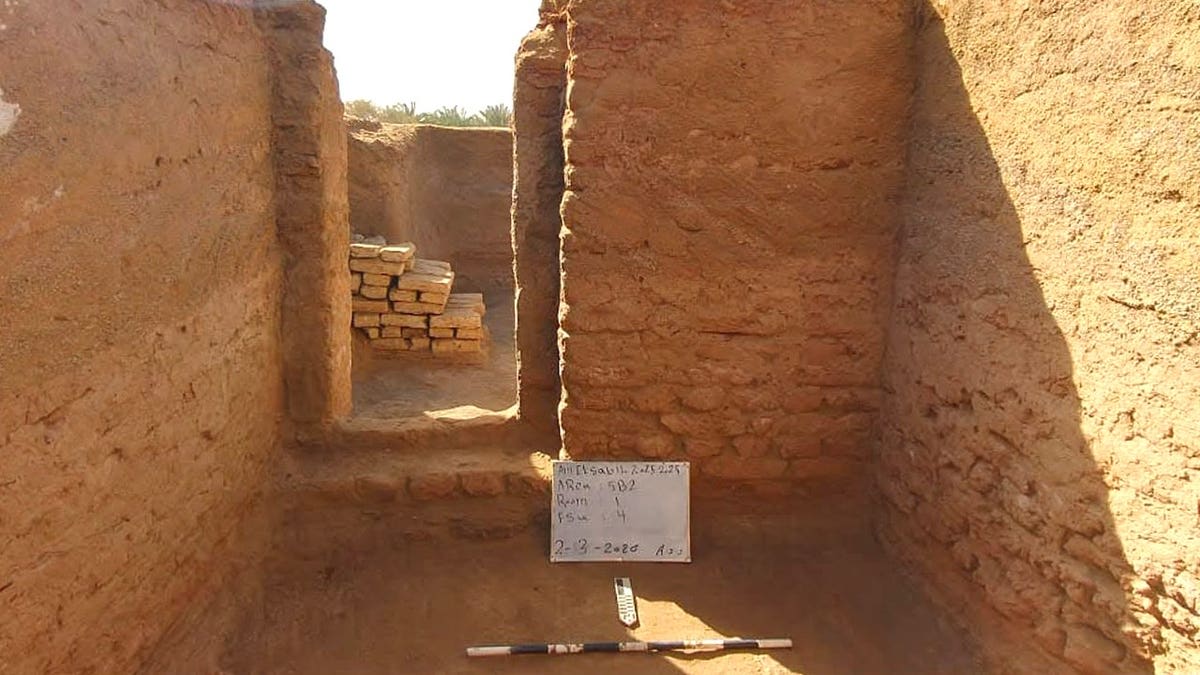
Egypt's Ministry of Tourism and Antiquities announced the discovery on July 3 at the Ain al-Sabil site in the Dakhla Oasis, about 185 miles west of Luxor. The team found a complete Byzantine-era settlement with mudbrick buildings, churches, homes, and even preserved bread ovens still intact.
The city dates to the mid-fourth century A.D., when Christianity was spreading rapidly across the Roman Empire. Researchers found a basilica church at the city's center, two watchtowers, a fortress with thick defensive walls, and clusters of homes with vaulted ceilings.
One standout discovery was the home of Tisos, a church deacon who lived there in the second half of the fourth century. Archaeologists also identified the house of Tapibos, which served as a house church before the main basilica was built.
The city followed what researchers call "a well-planned urban layout." Main streets ran north to south, crossed by east-west streets that created open squares and plazas at their intersections.
Inside the buildings, archaeologists found pottery, oil bottles for storing perfumes, oil lamps, and stone tools for grinding grain. The team also discovered a collection of well-preserved bronze and gold coins bearing images of Byzantine emperors and Christian symbols.
Perhaps the most exciting find was an archive of 200 ostraca, broken pieces of pottery and limestone covered in Coptic and Greek writing. These texts record everyday details like sales transactions, personal letters, and glimpses into daily life in this ancient Christian community.
Why This Inspires
Egypt was one of the most important centers of early Christianity, and discoveries like this help us understand how the faith took root and flourished. This wasn't just a religious outpost but a thriving community where people baked bread, conducted business, raised families, and built something lasting.
The find adds to a growing picture of Christian history in Egypt. Officials recently announced the discovery of an ancient monastery in Wadi El-Natrun and a monastic complex in Upper Egypt, both shedding light on early Christian life.
After 1,700 years buried beneath the desert, this city is finally telling its story again.
More Images
Based on reporting by Fox News Travel
This story was written by BrightWire based on verified news reports.
Spread the positivity!
Share this good news with someone who needs it