Egypt Uncovers 3,000-Year-Old Scrolls Still Sealed
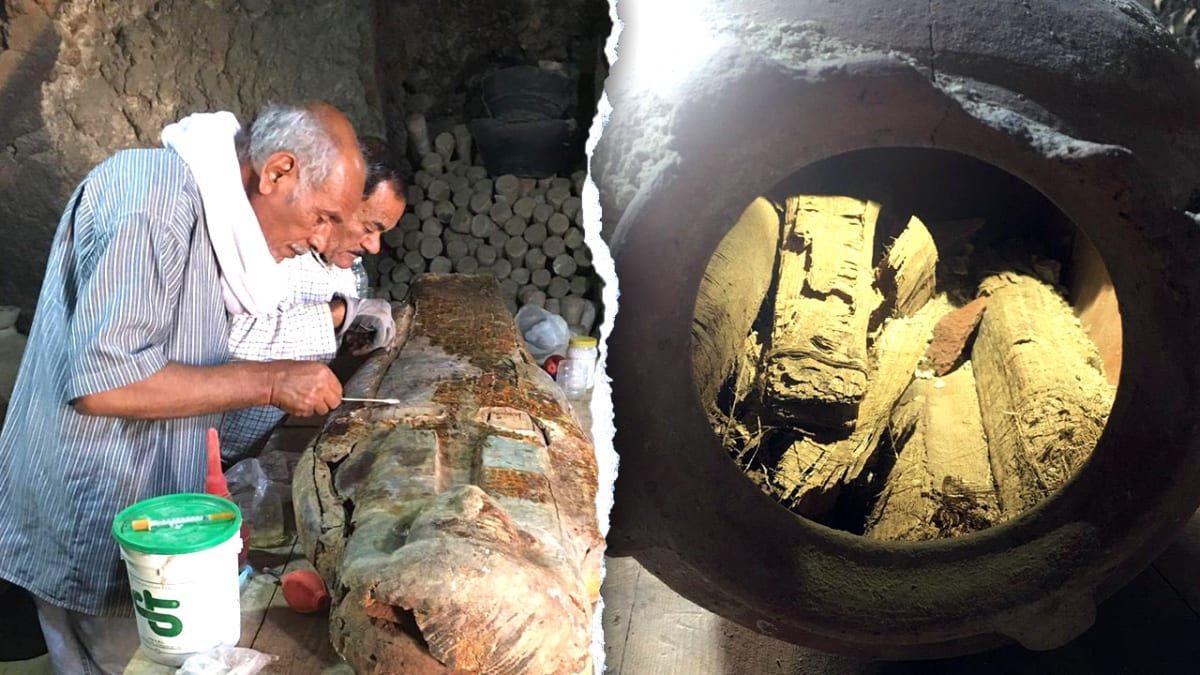
Archaeologists in Egypt discovered eight rare papyrus scrolls from 3,000 years ago, some still bearing their original clay seals. The scrolls were found alongside colorful coffins of ancient temple singers, promising new insights into a fascinating period of Egyptian history.
Imagine opening a time capsule that's been sealed for three millennia. That's exactly what archaeologists in Egypt are about to do with eight rare papyrus scrolls discovered near Luxor.
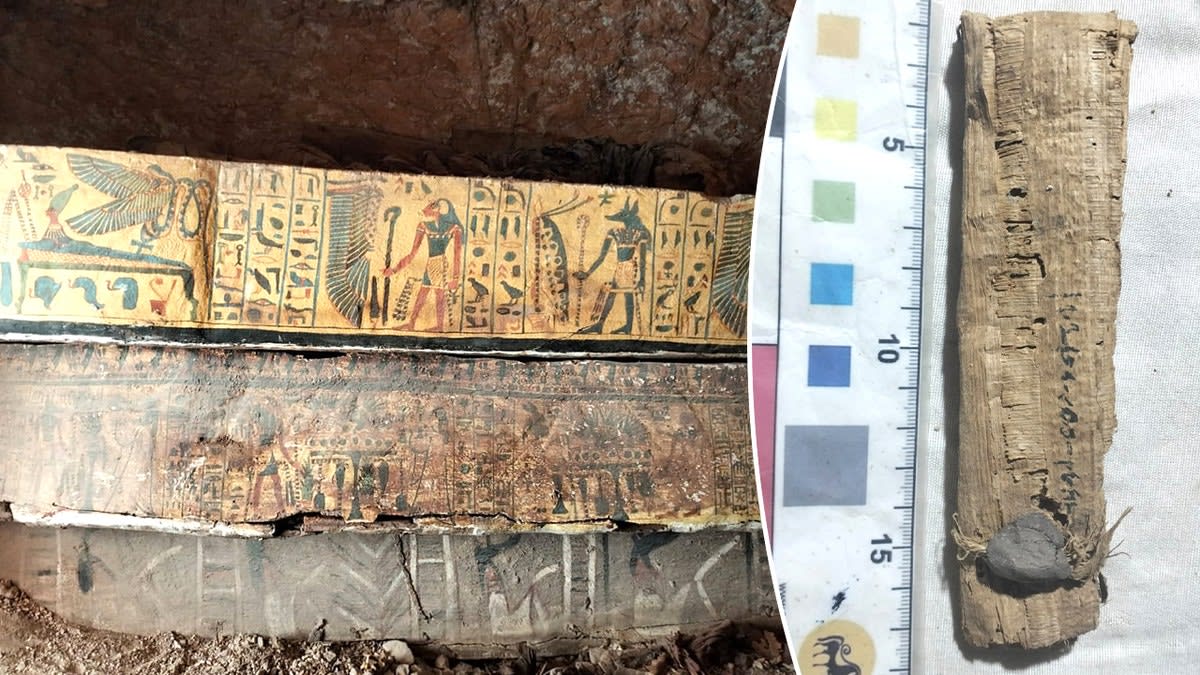
The scrolls date back to the Third Intermediate Period, which lasted from 1070 B.C. to 664 B.C. Some still bear their original clay seals, untouched for 3,000 years.
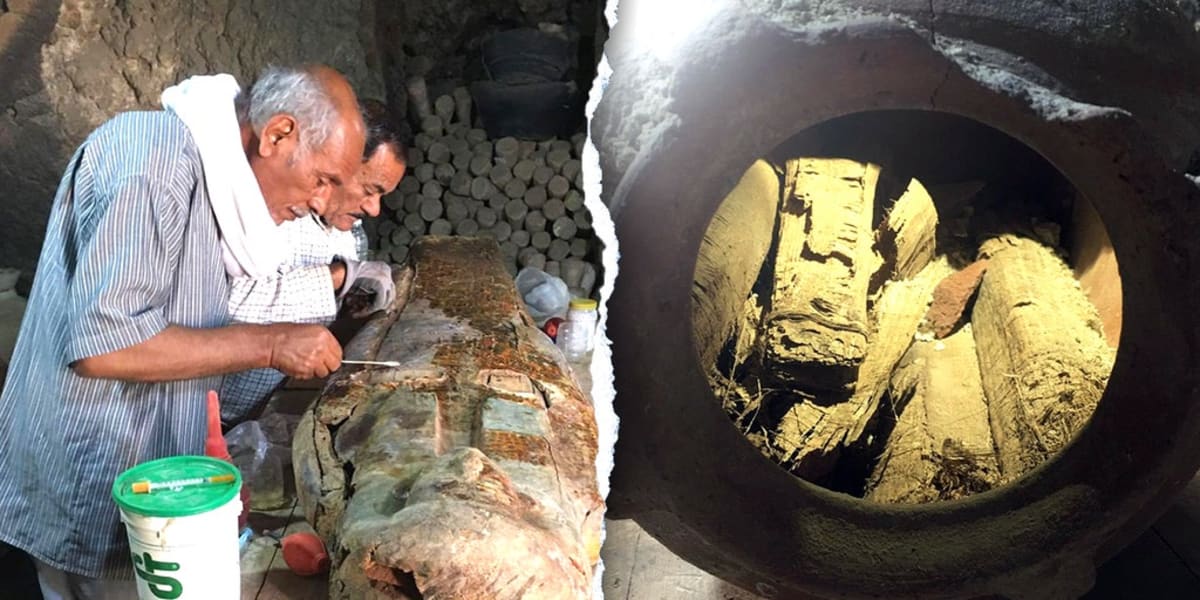
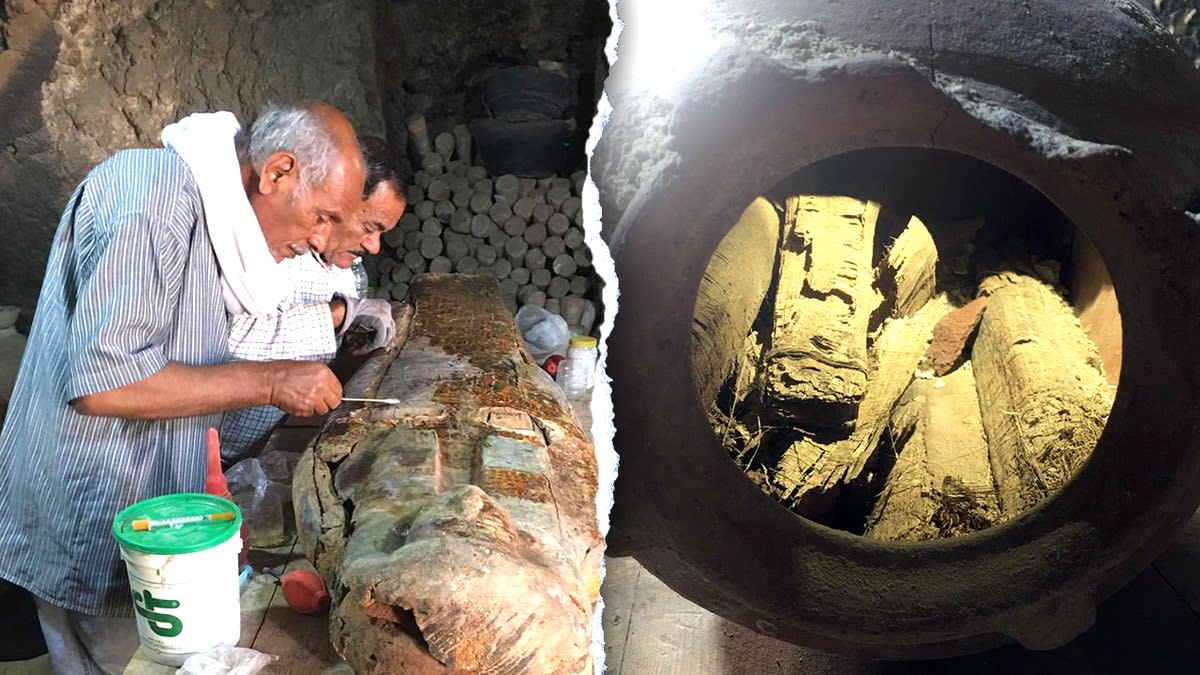
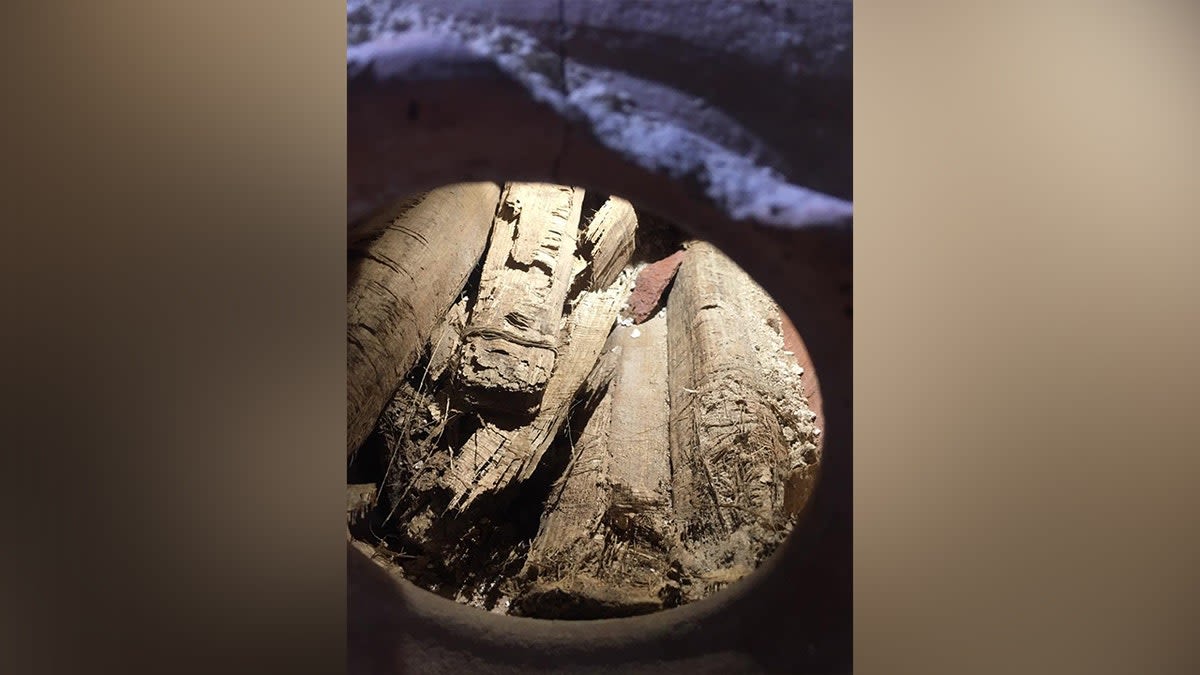
Excavators found the ancient documents tucked inside a large pottery vessel in the Qurna area on Luxor's West Bank. The Egyptian Ministry of Tourism and Antiquities announced the discovery last month, calling the scrolls "a valuable source of information."
The scrolls weren't alone. They were discovered alongside a remarkable collection of colorful coffins belonging to Amun chanters, temple singers dedicated to the god Amun.
Ancient Egyptians were surprisingly practical about space management. The burial chamber showed careful planning, with coffins arranged in 10 horizontal rows and lids separated from boxes to maximize capacity.
While the wooden coffins need urgent conservation work due to deterioration, restoration teams have already begun treating the weakening wood fibers and painted plaster. Their goal is to preserve the vibrant colors that have survived thousands of years.
Why This Inspires
This discovery opens a window into a world we've only glimpsed through fragments. The scrolls vary in size and content, but what makes them truly special is their potential to reveal voices from the past.
The coffins present their own mystery. They display titles rather than names, making it challenging to identify the occupants. The most common title is "Chanter(s) of Amun," which could help researchers better understand this class of temple singers.
Minister of Tourism and Antiquities Sherif Fathy called the find "a significant addition to Egypt's record of distinguished archaeological finds." He emphasized how the Egyptian state supports archaeological research as part of preserving cultural heritage.
The scrolls are currently undergoing restoration before translation can begin. Researchers worldwide are waiting to see what secrets these ancient documents will reveal about daily life, religious practices, and the people who lived 3,000 years ago.
This discovery joins other recent Egyptian archaeological wins, including a "pleasure boat" found near Cleopatra VII's palace in Alexandria and a fortress along the ancient military road mentioned in the Book of Exodus.
The world now waits as experts carefully unlock messages written three thousand years ago, preserved by chance and the dry Egyptian climate for modern eyes to read.
More Images
Based on reporting by Fox News Travel
This story was written by BrightWire based on verified news reports.
Spread the positivity!
Share this good news with someone who needs it
%2Fhttps%3A%2F%2Ftf-cmsv2-smithsonianmag-media.s3.amazonaws.com%2Ffiler_public%2F4e%2F9f%2F4e9f0fe8-aa48-438a-b88f-3a29cd71107e%2Fhttps___wwwfrontiersinorg_files_articles_1758862_xml-images_fmats-13-1758862-g001.jpeg)
%2Fhttps%3A%2F%2Ftf-cmsv2-smithsonianmag-media.s3.amazonaws.com%2Ffiler_public%2F8e%2F83%2F8e837bc6-e2b3-4bb6-bb1c-4f1287b45a6f%2Fcastillo-39-rincon_de_los_signos.jpg)