Egypt Uncovers 800-Year Temple to Forgotten Nile God
Archaeologists in Egypt have discovered a rare circular temple dedicated to Pelusius, a forgotten deity of Nile mud and fertility, after six years of excavation. The 2,000-year-old water temple reveals a rich spiritual tradition that thrived for nearly 800 years at the crossroads of ancient civilizations.
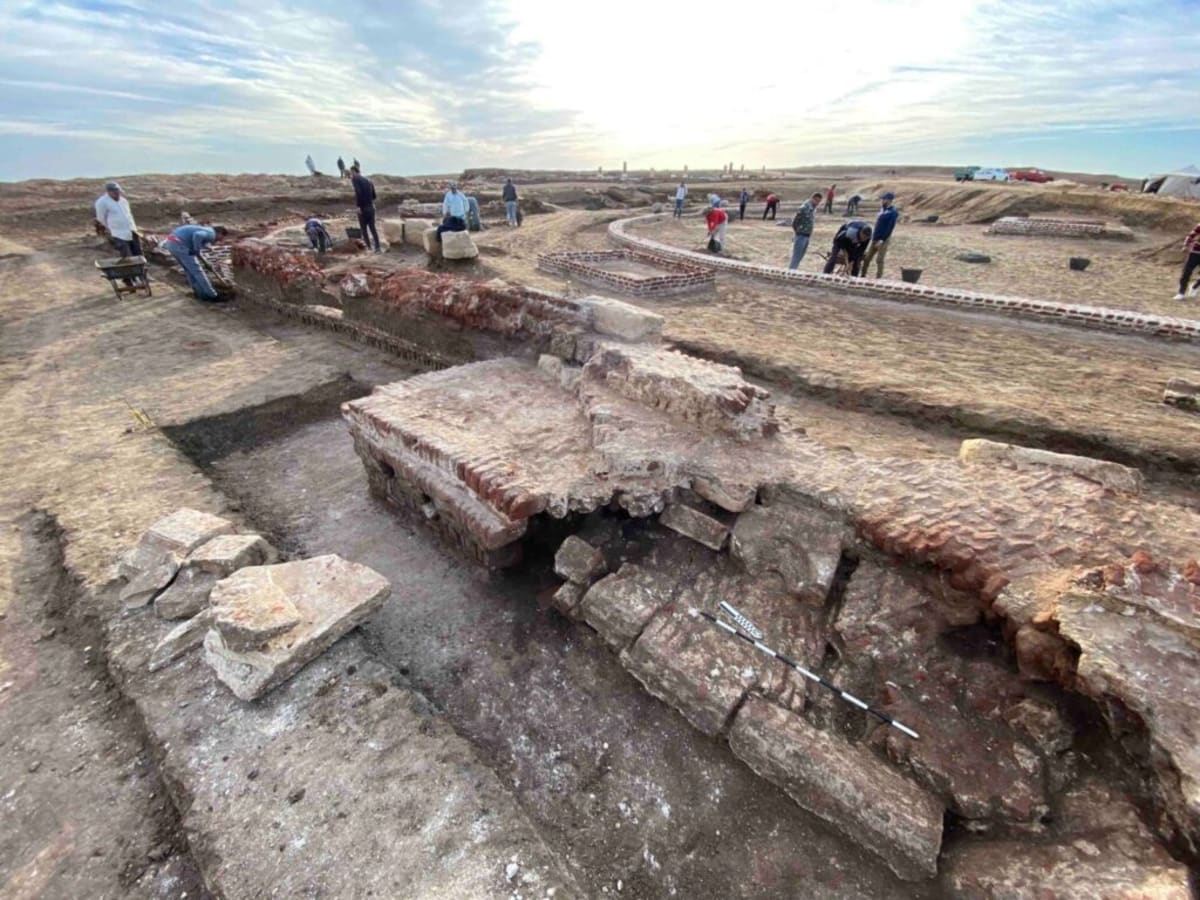
After six years of patient digging at an ancient Egyptian frontier city, archaeologists have uncovered something extraordinary: a temple to a god almost lost to history.
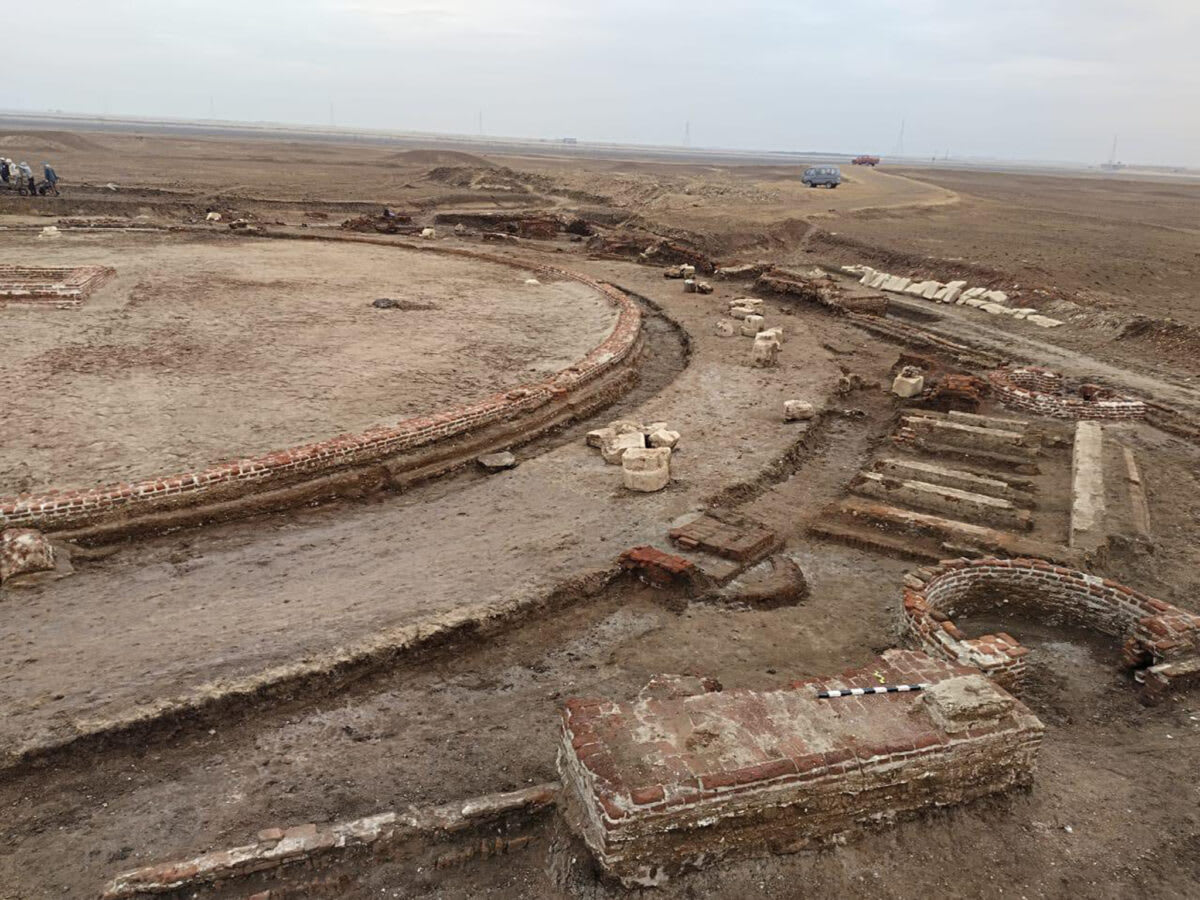
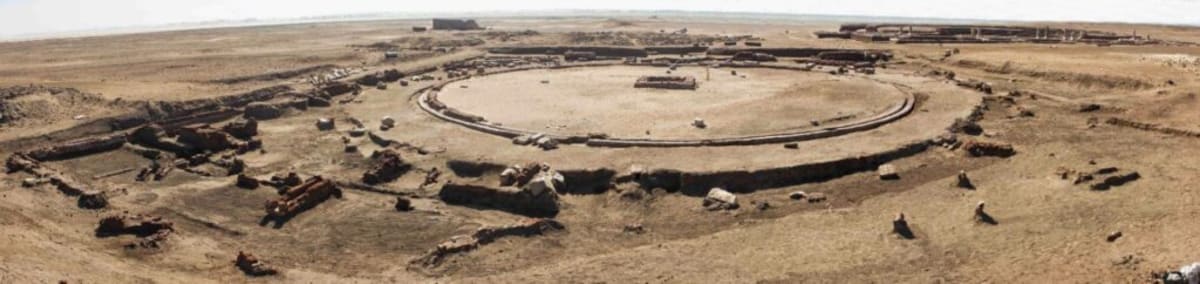
The circular structure at Tell el-Farma honors Pelusius, a deity whose name literally means "mud" in Greek. This forgotten god represented the life-giving silt that the Nile deposited each year, making Egyptian agriculture possible.
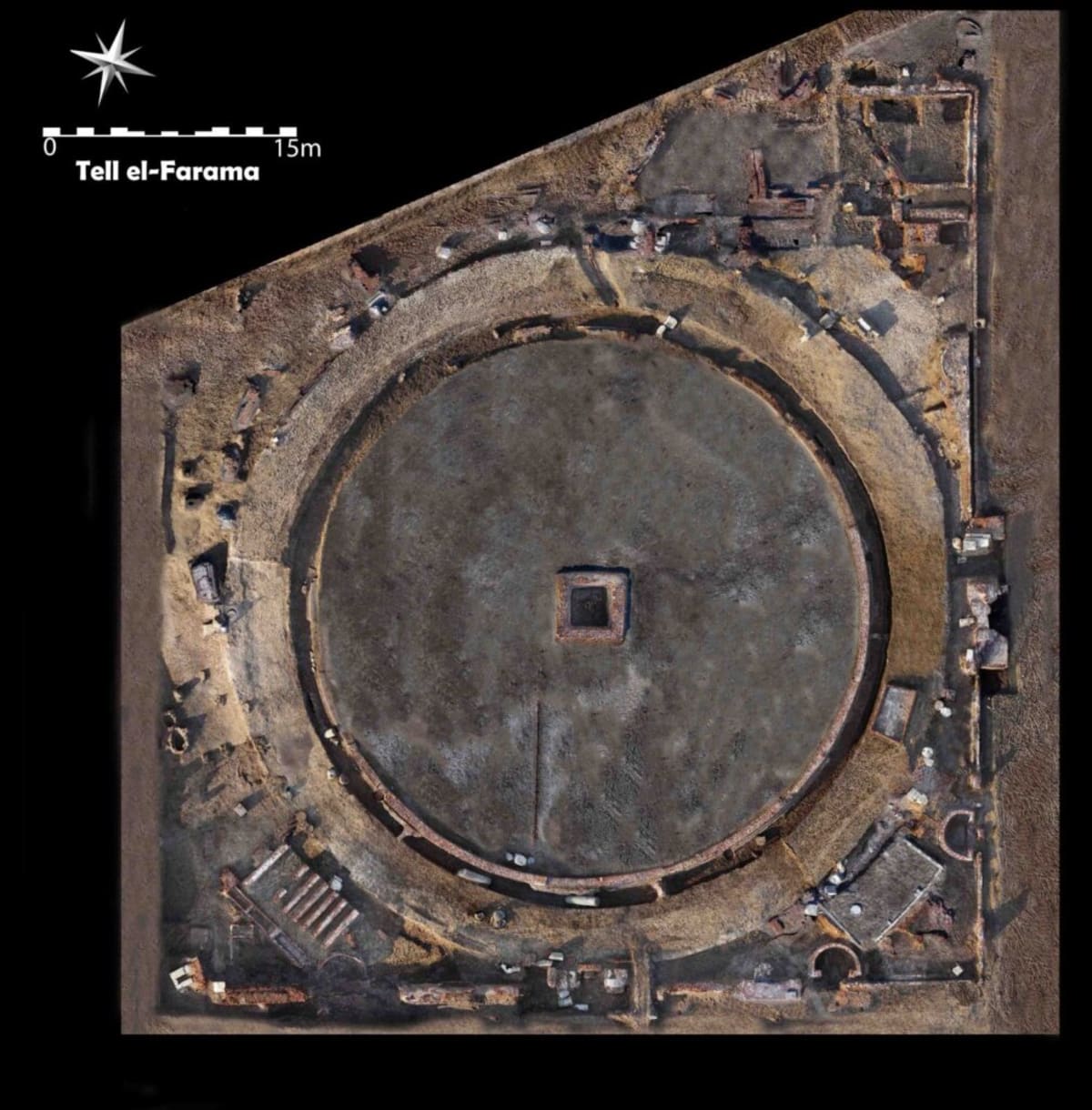
At the temple's heart sits a massive circular basin, 35 meters wide, connected directly to the Nile through carefully engineered channels. Water rich with fertile sediment would fill this sacred pool, likely for rituals celebrating renewal and rebirth tied to the river's seasonal flooding.
What makes this find truly special is what it reveals about ordinary ancient Egyptians. While history books focus on grand gods like Ra and Osiris, this temple shows that local communities had their own deeply meaningful spiritual practices centered on the natural forces that sustained their daily lives.
The temple stood for nearly 800 years, from the 2nd century BCE to the 6th century CE. Its architecture tells a story of cultural exchange, blending traditional Egyptian design with Greek and Roman influences as different empires rose and fell.
Researchers initially thought they'd found a civic building when excavations began in 2019. Only as more of the circular layout emerged, revealing sophisticated water systems and ritual spaces, did they realize this was a sacred site.
A square platform in the basin's center likely held a statue of Pelusius, symbolically emerging from the waters. Multiple entrances from three directions allowed worshippers controlled access to witness ceremonies that may have involved filling and draining the pool in rhythm with the Nile's cycles.
Why This Inspires
This discovery reminds us that history contains countless untold stories waiting to be recovered. For generations, scholars knew Pelusium mainly as a military and trade hub on Egypt's eastern border, a strategic gateway between civilizations.
Now we know it was also home to unique spiritual traditions that honored the simple miracle of mud becoming food. The temple's 800-year lifespan shows these beliefs resonated deeply across multiple cultures and political eras.
Egypt's Ministry of Tourism and Antiquities calls it a major scientific breakthrough that reshapes our understanding of religious diversity in the ancient world. Beyond the famous pyramids and pharaohs, ordinary communities created their own sacred spaces to celebrate the natural wonders that made life possible.
The careful engineering required to connect the temple basin to the Nile demonstrates both technical sophistication and profound spiritual intention. Every ceremony performed here would have been a testament to human gratitude for the earth's generosity, a tradition that feels remarkably relevant today.
More Images
Based on reporting by Google: archaeological discovery
This story was written by BrightWire based on verified news reports.
Spread the positivity!
Share this good news with someone who needs it