Egypt Uncovers Medieval Rest Stop on Ancient Pilgrim Road
Archaeologists in Egypt's Sinai Peninsula have unearthed a medieval caravanserai where pilgrims and merchants once rested on their journey to Mecca. The discovery is bringing back to life a lost city and a crucial route that connected civilizations for centuries.
Beneath the sands of Egypt's North Sinai, archaeologists just uncovered something thousands of pilgrims would have recognized: a safe place to rest on a long, difficult journey.
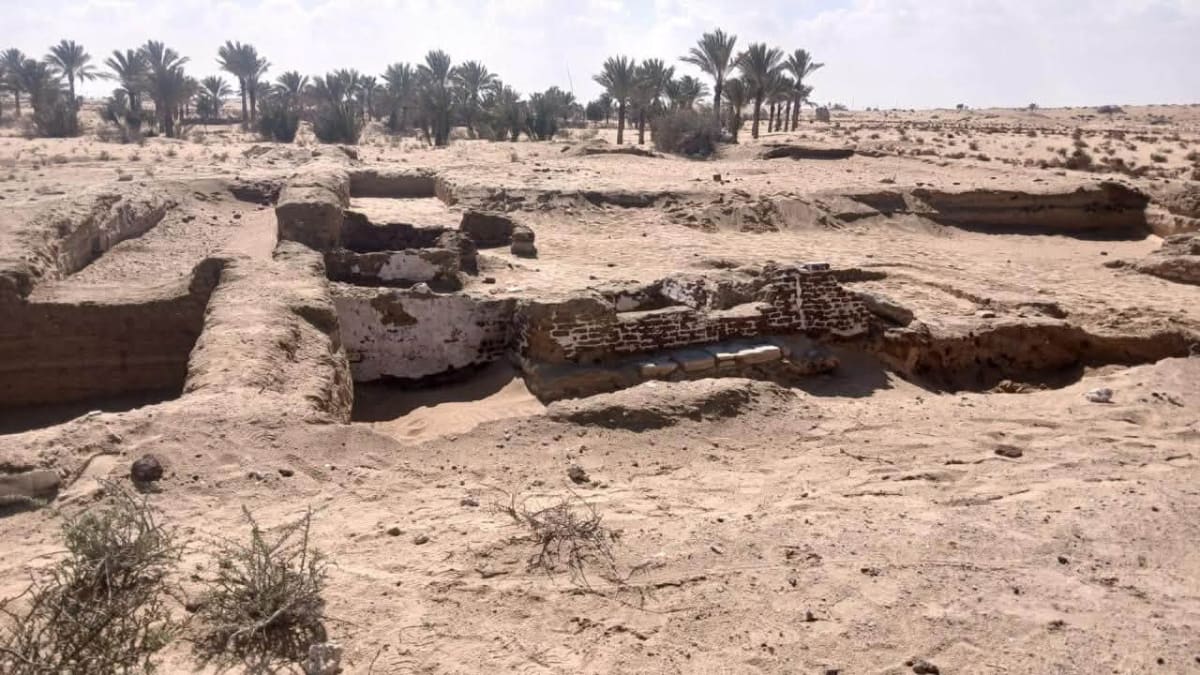
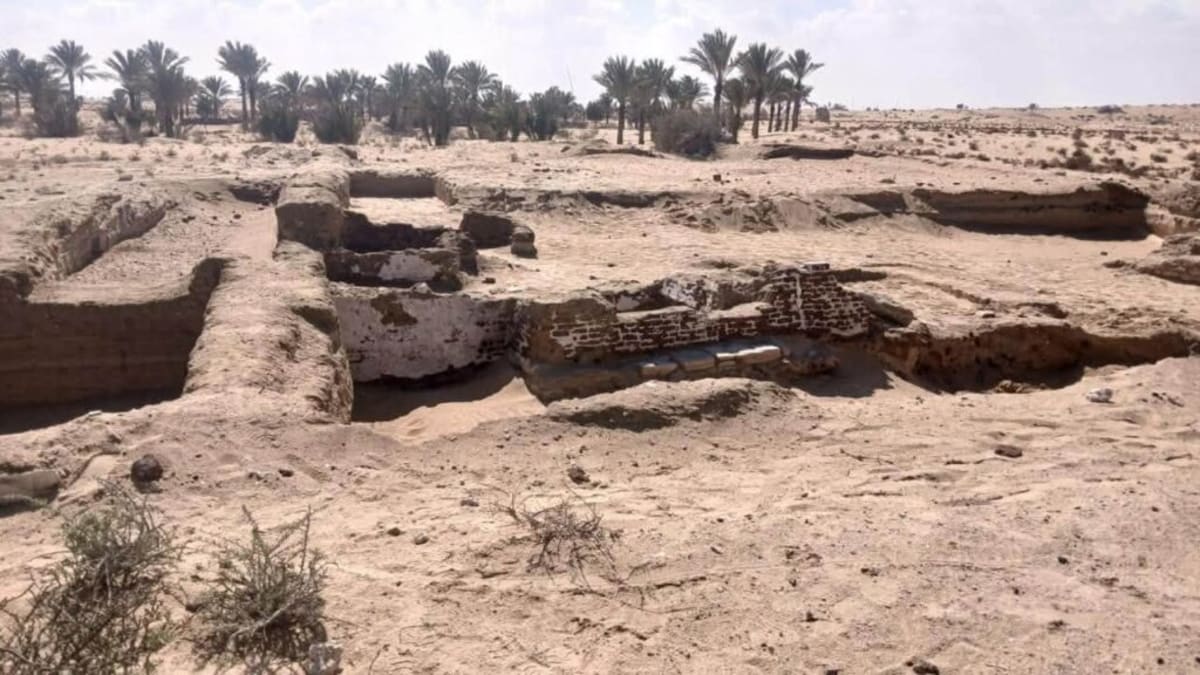
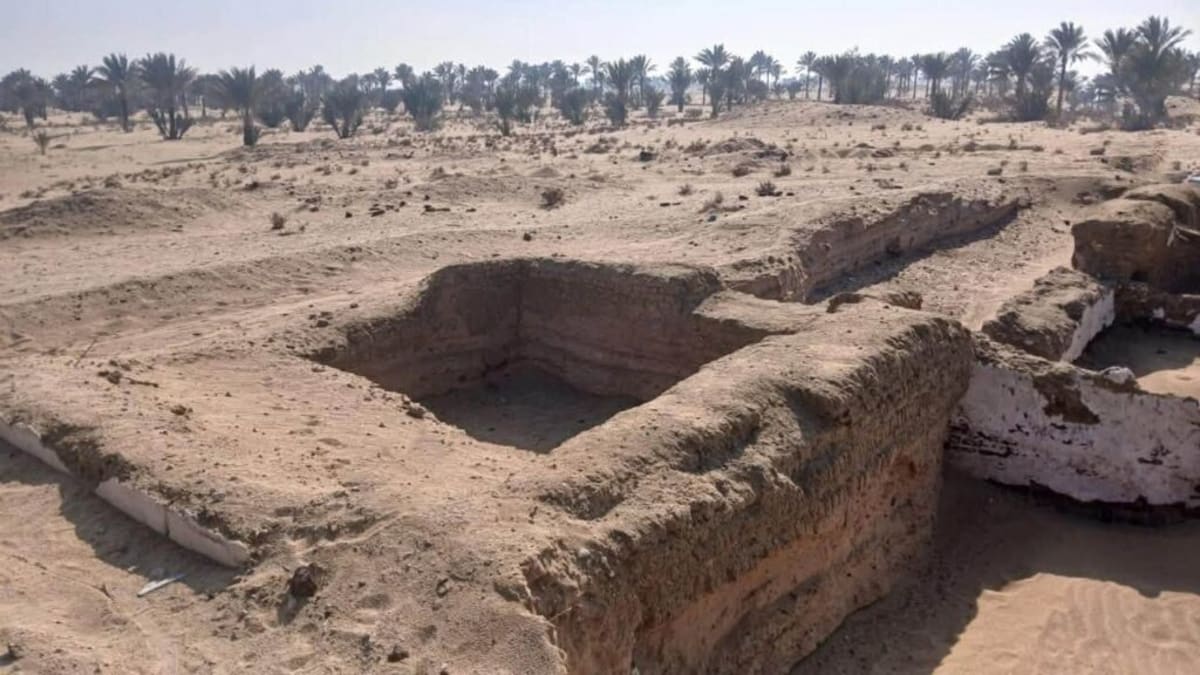
The team from Egypt's Supreme Council of Antiquities discovered the remains of a caravanserai in the buried city of Asila. These fortified rest stops dotted the Egyptian Pilgrims' Road, a vital route that once carried merchants, pilgrims, soldiers, and mail couriers between the Nile Valley and Mecca.
The building's walls, constructed from mudbrick and red brick reinforced with limestone blocks, still outline several interior rooms. Some likely served as shops where travelers could trade and resupply. The structure resembles another trading station in the region called Khan al-Khuwaynat, though this one is smaller, suggesting it served specifically as a resting point rather than a major commercial hub.
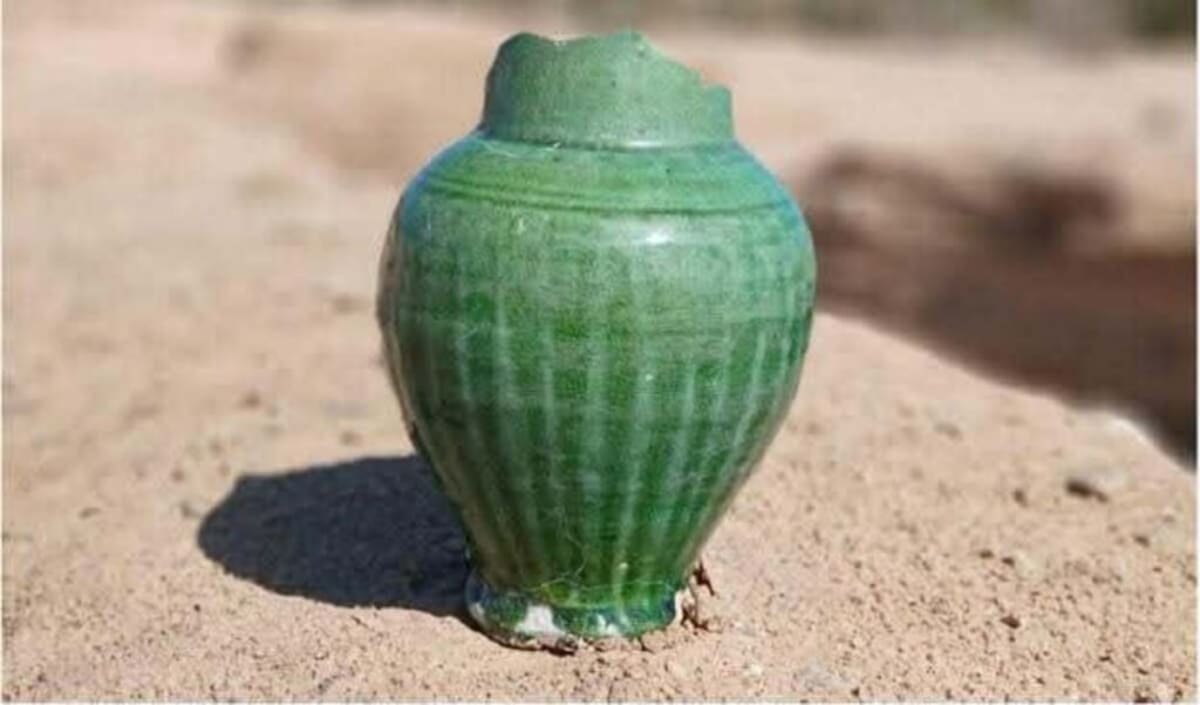
Inside, excavators found everyday objects that tell the story of life along this ancient highway. Large storage jars once held water and provisions for weary travelers. Olive-green glazed vessels, red and white pottery pieces, and fragments of oil lamps paint a picture of simple comforts offered to those far from home.
The artifacts date the site to the Mamluk period, roughly the 13th to 16th centuries. Some pottery fragments even bear Arabic lettering that may reference Sultan al-Nasir Muhammad ibn Qalawun, though researchers are still working to confirm the exact dating.
Why This Inspires
This discovery does more than add another site to archaeological records. It reveals the infrastructure of compassion that allowed ordinary people to undertake extraordinary journeys of faith and commerce.
The Egyptian Pilgrims' Road operated for hundreds of years before political upheaval and the Crusades made it too dangerous. When it closed, pilgrimage routes shifted to sea crossings instead. But along this road, travelers once found shelter, safety, and community at stations like this one, spaced strategically across the harsh desert landscape.
Tourism Minister Sherif Fathy noted that excavation work in Sinai is helping piece together the peninsula's role as a bridge between civilizations. The ministry is continuing to excavate, document, and restore these sites, preserving stories of connection that span centuries.
The excavation continues as researchers work to uncover more architectural details and confirm what thousands of travelers already knew: even in the most challenging journeys, people built places of rest and welcome.
More Images
Based on reporting by Google: archaeological discovery
This story was written by BrightWire based on verified news reports.
Spread the positivity!
Share this good news with someone who needs it