Egypt's 3,400-Year-Old Royal City Rewrites Ancient History
Archaeologists near Luxor uncovered a remarkably preserved royal city from 3,400 years ago, revealing how ordinary Egyptians lived during one of history's most dramatic religious upheavals. The settlement's kitchens, workshops, and streets offer answers to questions scholars have puzzled over for generations.
A forgotten city has emerged from the sands near Luxor, Egypt, and it's changing what we know about one of ancient history's most fascinating periods.
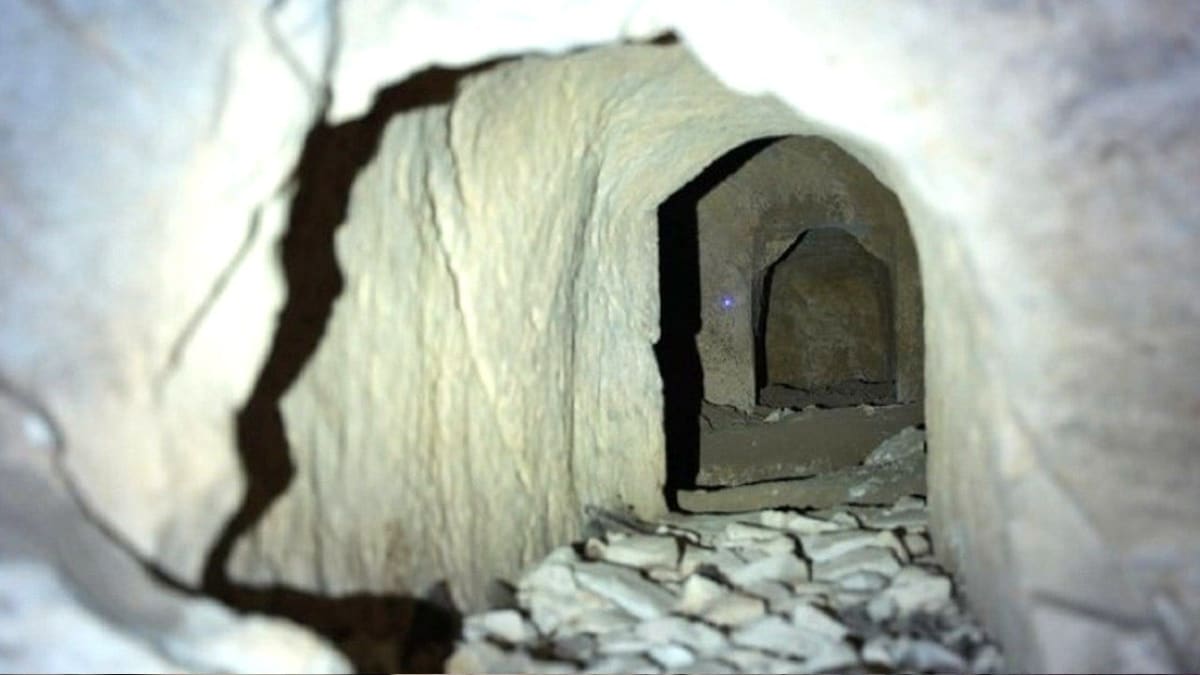
The settlement dates back 3,400 years to Pharaoh Amenhotep III, whose reign marked the peak of ancient Egypt's wealth and power. Built within the ancient capital of Thebes, the city includes homes, workshops, administrative buildings, and burial areas so well preserved that archaeologists found everyday objects exactly where people last used them.
What makes this discovery remarkable isn't gold or monuments. It's the ordinary details of life that rarely survive millennia.
Archaeologists discovered a bakery with large ovens still intact, workshops where craftspeople made jewelry and metal tools, and streets that separated different neighborhoods. Pottery vessels, food remains, and planning documents sat where workers left them thousands of years ago. The mudbrick walls in some areas still rise nine feet high.
The city tells the story of a sophisticated royal economy where people lived close to their workplaces. Evidence of large-scale food preparation sits alongside workshops for glass and metal production, confirming that Amenhotep III's court ran on an organized labor system that supported massive construction projects across Egypt.
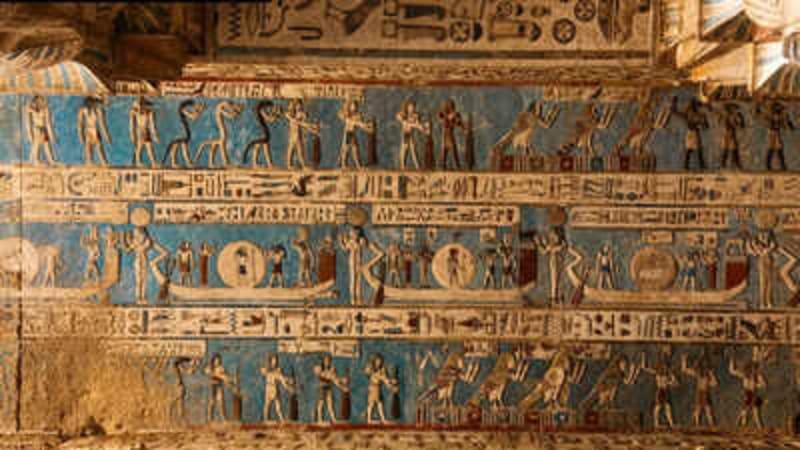
Then everything changed. After Amenhotep III died, his son Akhenaten made a radical decision that shocked Egypt: he rejected the traditional gods for a single sun deity called Aten and moved the royal court to a brand new city.
The newly discovered settlement reveals Akhenaten inherited a thriving, productive city. That makes his choice to abandon Thebes altogether even more intriguing. Evidence suggests the settlement remained active during his early reign before being partially left behind as power shifted north.
Why This Inspires
This discovery reminds us that history isn't just about kings and temples. The bakery workers, jewelry makers, and families who lived in this city left behind a record that scholars can now read after 3,400 years of silence.
The site didn't disappear immediately either. Later pharaohs, including the famous Tutankhamun, reused parts of the city, and activity continued in some areas well into the Byzantine era before sand finally covered everything.
Every excavation season brings new details about how these communities functioned, how dramatic political changes affected ordinary people, and how one pharaoh's religious revolution looked from ground level. The city doesn't answer every question about this turbulent period, but it's quietly filling gaps in one of history's most complicated stories, one pottery shard and oven at a time.
More Images



Based on reporting by Google: archaeological discovery
This story was written by BrightWire based on verified news reports.
Spread the positivity!
Share this good news with someone who needs it