Electric Cars Hit 25% of Global Sales, Up From Just 1% in 2019
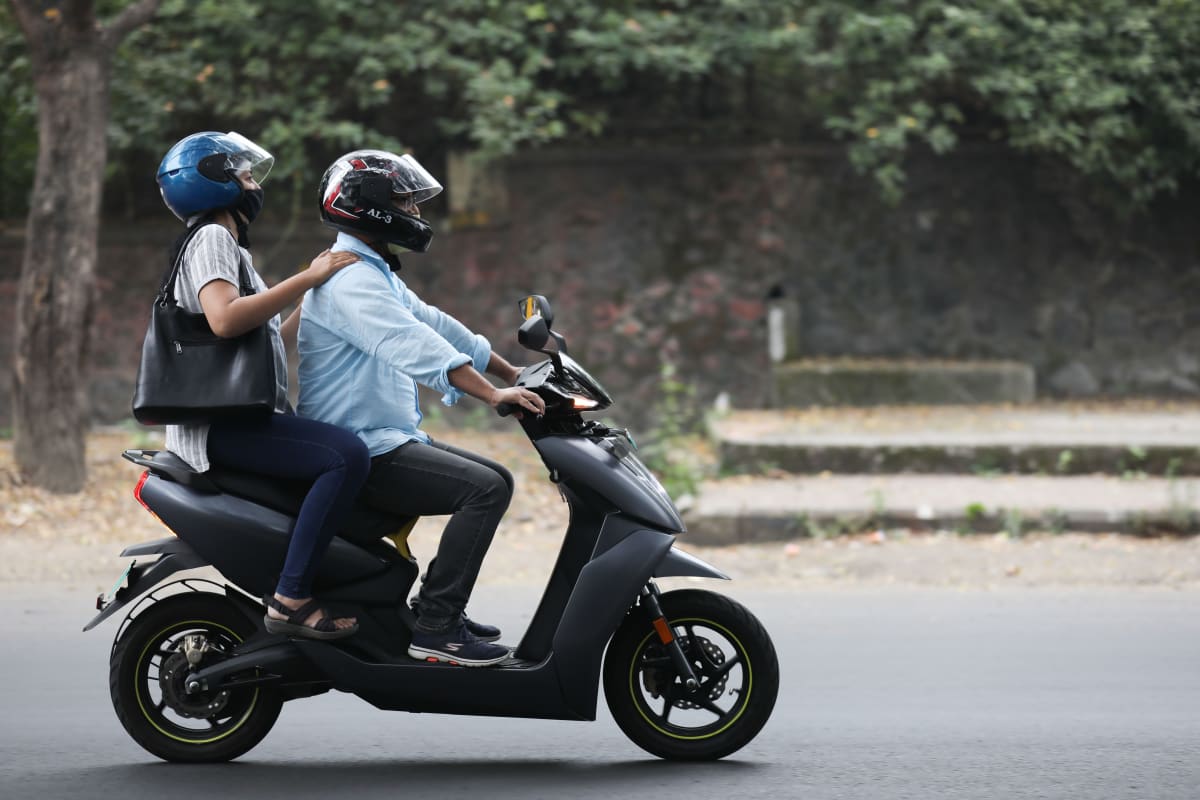
The world just reached a stunning milestone: one in four new cars sold globally is now electric, a twentyfivefold increase in just six years. From Norway to Nepal, the electric vehicle revolution is accelerating faster than anyone predicted.
In 2019, electric vehicles seemed like a distant dream, making up just 1% of new car sales worldwide. Fast forward to 2025, and that number has skyrocketed to 25%, with 21 million electric cars rolling off lots in a single year.
The numbers tell an extraordinary story of progress. China leads the charge with electric vehicles making up 61% of new car sales by April 2026. Europe follows strong, with nearly one in three new cars now electric.
Norway tops the global charts with 99% of new cars sold being electric, followed by Denmark at 82% and Sweden at 65%. Even developing nations are racing ahead of expectations, with Nepal hitting 68% electric vehicle adoption and Vietnam reaching 41%.
The secret behind this explosive growth? Plummeting battery costs. Thanks to advances in technology and mass production, electric car batteries now cost just one quarter of their price from a decade ago. In China, electric vehicles actually cost less than gas cars since 2024, removing the biggest barrier to adoption.
Africa is writing its own success story. Ethiopia became the first country in the world to ban imports of combustion engine vehicles in 2024. With 96% of its electricity coming from affordable hydropower, the country has nearly quadrupled its electric vehicle fleet to over 100,000, helping cut dependence on costly imported oil.
Latin America is accelerating too. Uruguay leads the region with 31% of new car sales being electric in early 2026, while Brazil, Colombia, and Costa Rica are all seeing double digit adoption rates. Across Latin America, electric vehicle sales tripled in just two years.
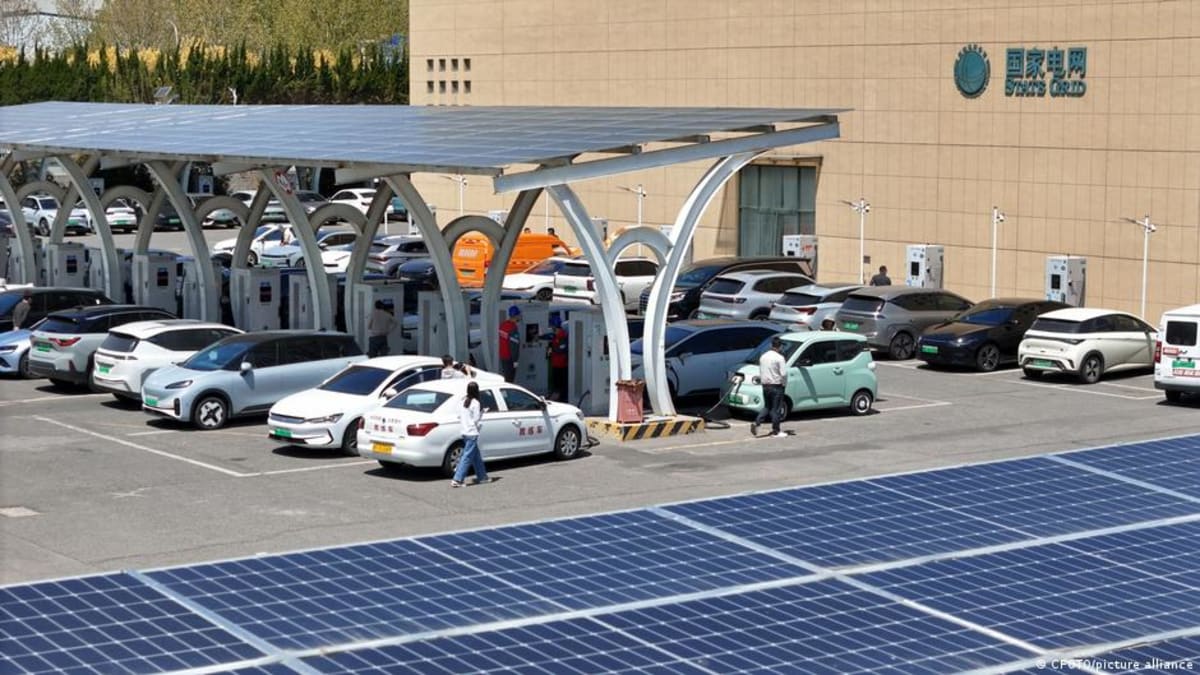
The infrastructure is catching up with demand. Charging stations are sprouting up worldwide, and newer electric models can travel over 800 kilometers on a single charge, compared to just 500 kilometers for premium models a few years ago.
The Ripple Effect: This shift represents more than just cleaner transportation. Countries like Ethiopia are using domestically generated renewable electricity to power vehicles instead of importing expensive oil, keeping money in local economies. As battery costs continue falling and more affordable models hit the market, electric vehicles are becoming accessible to people at every income level. The technology that seemed futuristic just six years ago is now becoming the practical, economical choice for millions of drivers worldwide.
Not every market is moving at the same pace. The US has seen its electric vehicle share drop to below 6% by April 2026, down from around 10% in previous years. But the global momentum is undeniable.
With 85 million electric vehicles now on roads worldwide out of 1.4 billion total cars, we're witnessing the early stages of a transportation revolution that's happening faster than experts predicted.
Based on reporting by DW News
This story was written by BrightWire based on verified news reports.
Spread the positivity!
Share this good news with someone who needs it