Elephant Memory Research Could Transform Conservation
Scientists are discovering that elephants experience time and trauma differently than humans, opening groundbreaking new approaches to wildlife protection. Understanding elephant emotions and memories could help save species more effectively than counting populations alone.
Conservation is getting a major upgrade, and it starts with understanding how elephants remember their world.
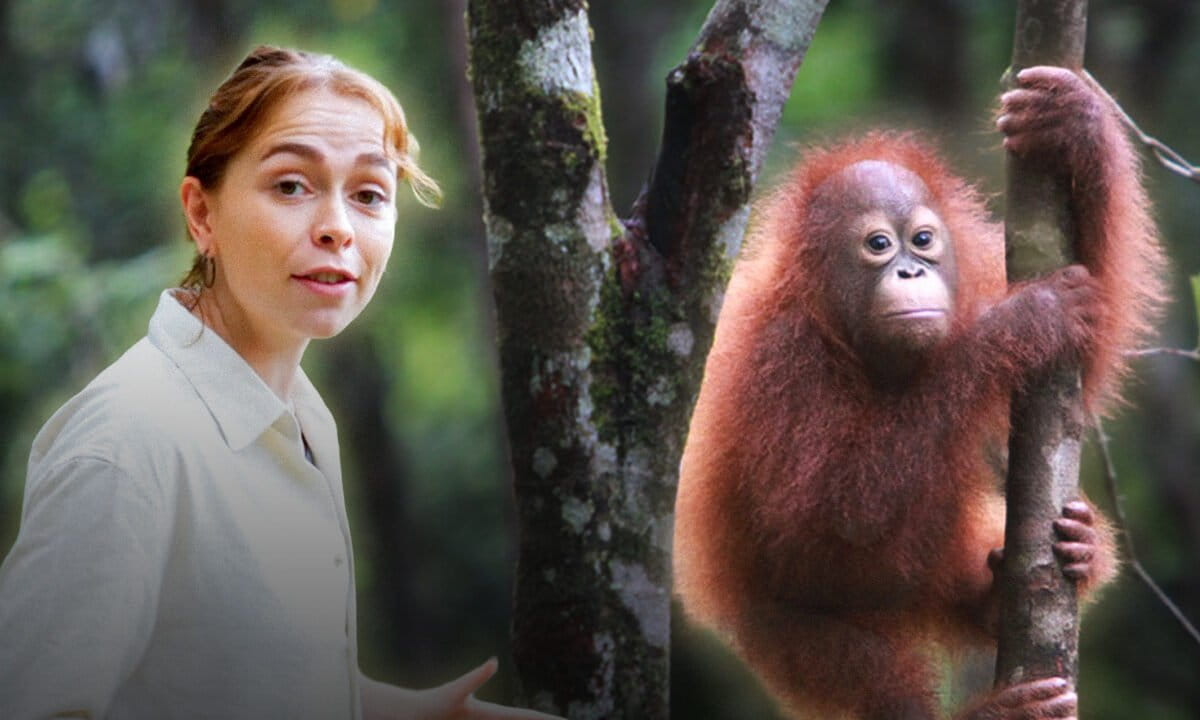
For decades, protecting wildlife meant tracking numbers like population size and habitat acres. But researchers like Khatijah Rahmat from the Max Planck Institute for the History of Science are proving that elephant emotions and memories matter just as much as spreadsheets.
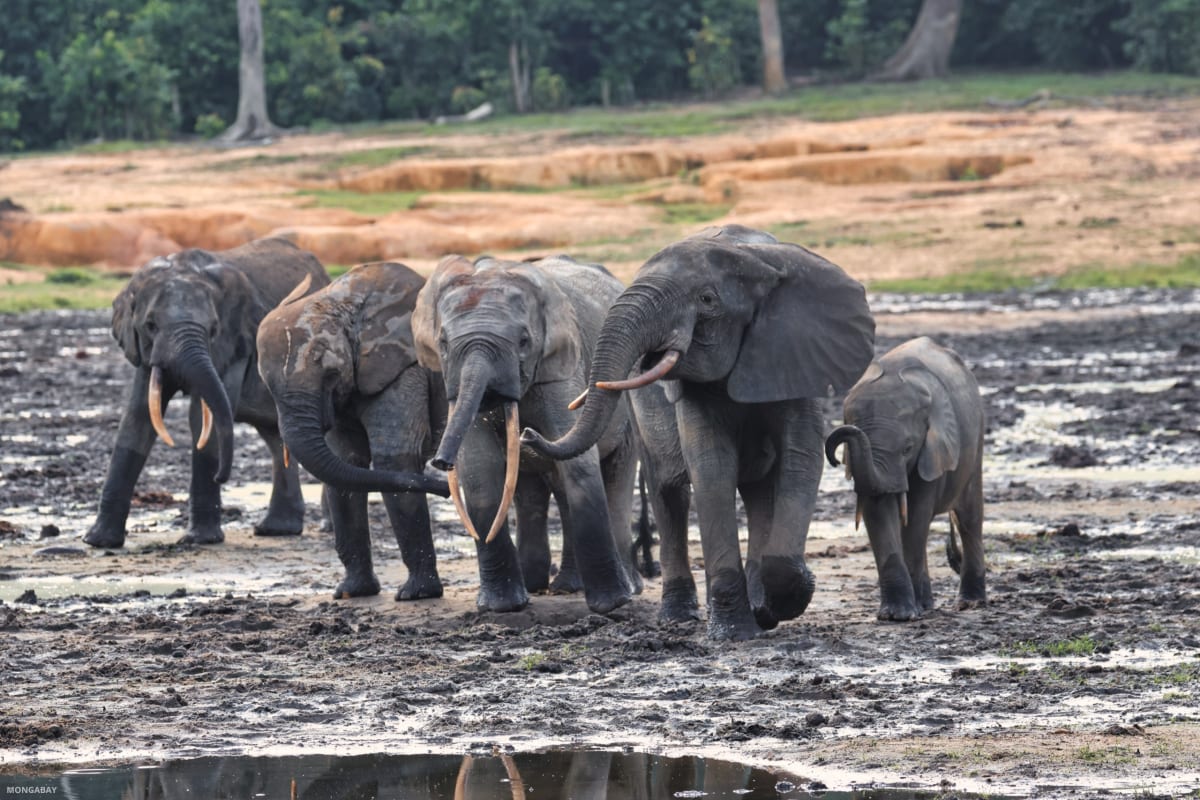
Elephants don't just remember where water is. They carry complex relationships with time itself, shaped by memories that stretch back decades and trauma that affects generations.
In 2005, scientist Gay Bradshaw discovered something remarkable. African elephants who witnessed family members killed by people showed symptoms identical to human PTSD, including aggression, depression, and abnormal startle responses. Some traumatized mothers even neglected their infants.
The oldest elephant in a herd acts as a living library. She remembers water sources from droughts that happened decades ago and guides her family to survival when conditions turn harsh. This memory isn't just helpful, it's essential to elephant survival in drought-prone regions.
Some human communities already understand this relationship. Indigenous groups in Malaysia's Belum forest avoid elephant foraging routes during certain seasons, honoring a nonverbal agreement built over thousands of years. The elephants know their paths, and people respect them.
But deforestation destroys these ancient mental maps. When their traditional routes disappear, elephants lose access to resources and the knowledge of how to avoid human contact. Some herds now forage at night instead of during the day, trying to adapt to a landscape that no longer matches their memories.
Why This Inspires
This research challenges conservation to think bigger than numbers. Protecting elephants now means protecting enough habitat for them to use their memories, follow their ancient routes, and pass knowledge between generations.
Studying something as intangible as how animals experience time isn't easy. It requires observing behavior indirectly and accepting that not everything meaningful can be measured in a lab. Many scientists resist subjective research, but Rahmat insists the phenomena she studies are real and the effects matter deeply.
Conservation that honors elephant memory means preserving not just land, but the invisible threads connecting animals to their past and future.
More Images


Based on reporting by Mongabay
This story was written by BrightWire based on verified news reports.
Spread the positivity!
Share this good news with someone who needs it