Elopak Cuts Carton Emissions 8% With Renewable Aluminium
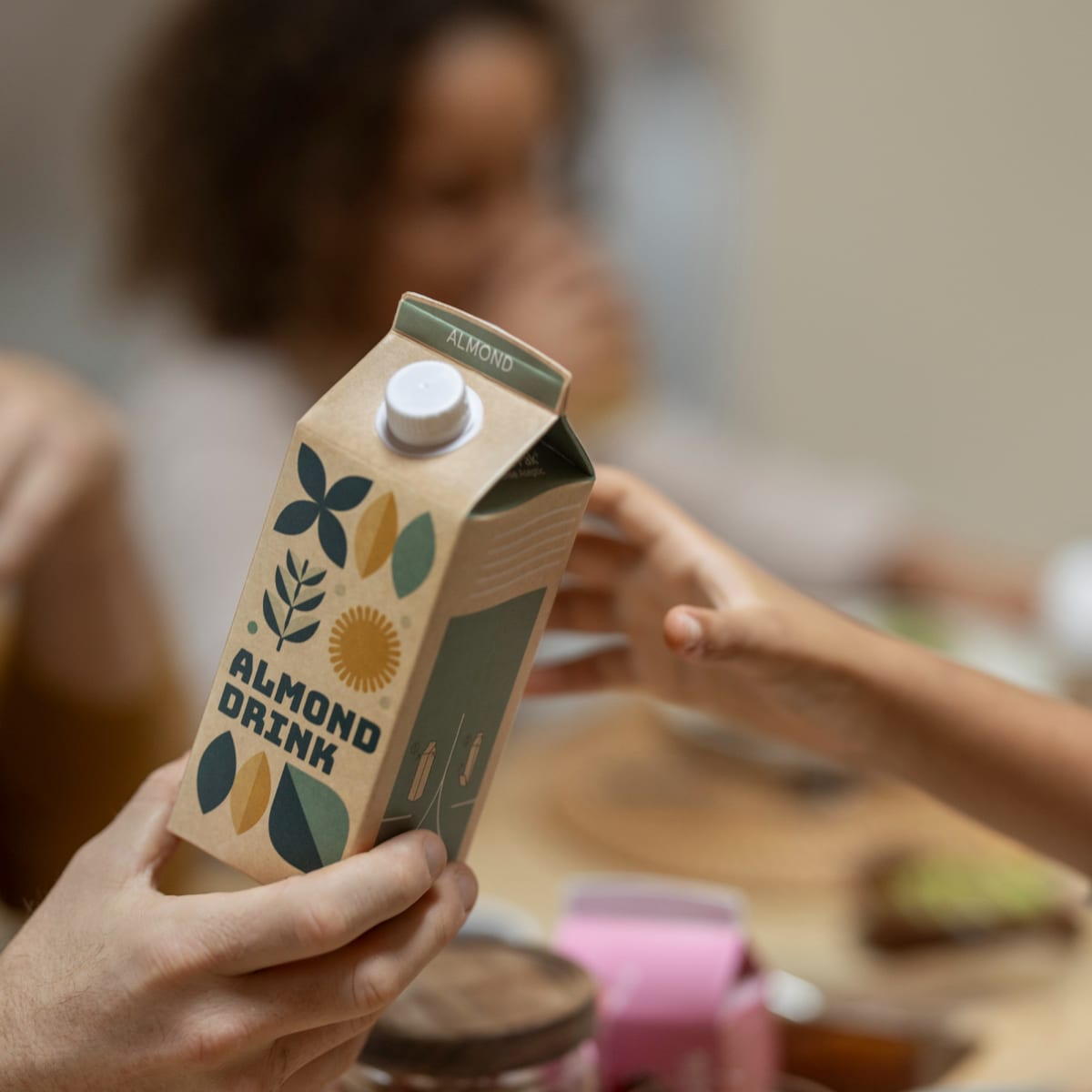
European milk and juice cartons just got greener. Packaging giant Elopak switched to low-carbon aluminium made with renewable energy, instantly cutting the carbon footprint of millions of cartons by 8%.
A simple swap in how aluminium is made just reduced the environmental impact of countless milk and juice cartons across Europe.
Elopak, a global packaging supplier founded in Norway, now sources aluminium produced entirely with renewable electricity for its carton factories in the Netherlands, Denmark and Ukraine. The change took effect immediately across their standard ambient cartons, the kind that keep products fresh on store shelves without refrigeration.
The numbers tell an encouraging story. Each aseptic Pure-Pak carton now carries a carbon footprint of 49 grams of CO₂ equivalent, down from 53 grams. That 8% reduction might sound modest, but it adds up fast when you're producing cartons for more than 70 countries.
Aluminium plays a crucial role in these cartons, creating an effective barrier against light and oxygen while enabling the aseptic sealing that keeps food safe. That protection extends shelf life and reduces food waste without requiring chemical preservatives, a win for both safety and sustainability.
"By sourcing aluminium produced with renewable electricity, we are taking another concrete step in reducing the climate impact of our packaging materials," said Emilie Olderskog, Elopak's global head of sustainability. The company maintains these environmental gains while preserving all the functional properties that protect food and extend freshness.
The Ripple Effect
This switch represents more than one company's choice. Elopak works exclusively with members of the Aluminium Stewardship Initiative, which promotes responsible sourcing and environmental standards throughout the entire aluminium supply chain. By creating demand for cleaner production methods, they're encouraging the entire industry to follow suit.
The company already runs all its global operations on 100% renewable electricity and introduced cartons with recycled polymers in 2025. They're preparing customers for upcoming European Union packaging regulations while exploring aluminium-free options like their Pure-Pak eSense carton for customers seeking even lower emissions.
With over 3,000 employees worldwide and Science-Based Targets aligned with limiting global warming to 1.5°C, Elopak has committed to net-zero emissions by 2050. Each material improvement brings that goal closer while proving that everyday packaging can become significantly more sustainable without sacrificing the protection that prevents food waste.
Sometimes the biggest environmental progress happens in the smallest details we barely notice.
More Images


Based on reporting by Google News - Emissions Reduction
This story was written by BrightWire based on verified news reports.
Spread the positivity!
Share this good news with someone who needs it