Engineered Microbes Could Replace 2% of Global Emissions
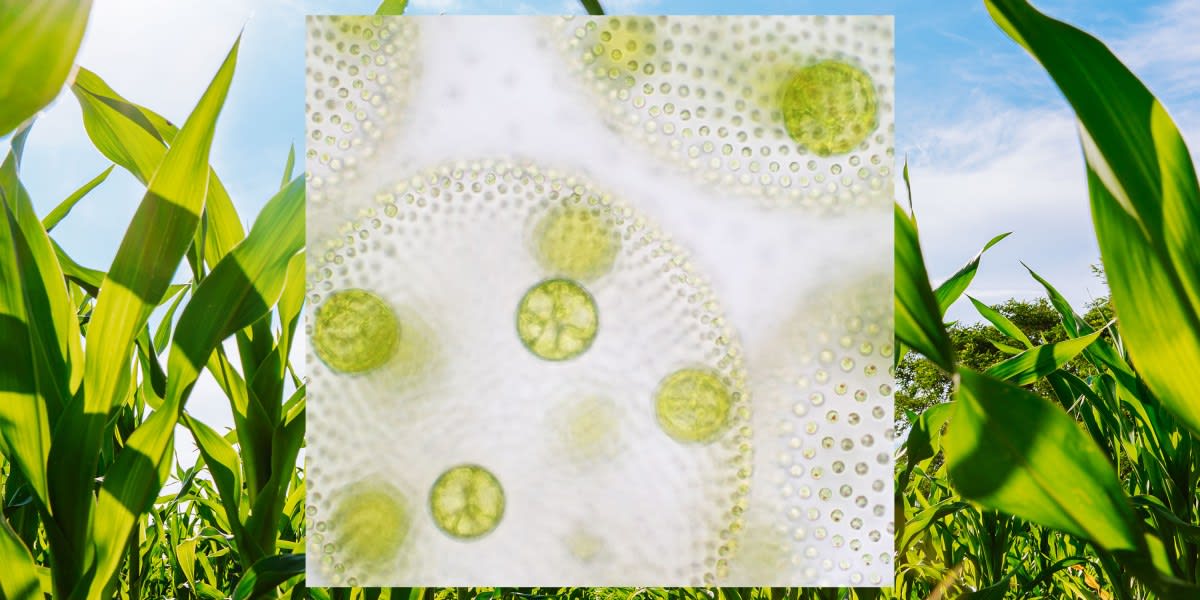
Scientists are engineering tiny bacteria that could slash fertilizer emissions while saving farmers money. These smart microbes wait until soil nitrogen drops, then flip a genetic switch to start feeding crops naturally.
Imagine bacteria smart enough to know exactly when your crops need food, then delivering it on demand. That's the breakthrough companies like Switch Bioworks are bringing to farms across America.
Traditional fertilizer production accounts for roughly 2% of global greenhouse gas emissions. Making it requires enormous amounts of energy, and recent conflicts have sent prices skyrocketing, crushing farmers already squeezed by rising costs and falling crop prices.
The solution might be hiding in plain sight. Air is nearly 80% nitrogen, but plants can't use it directly. They need it converted into reactive compounds like ammonia, which is what fertilizer does through an energy-intensive industrial process.
Some clever microbes already do this conversion naturally. Legumes like beans even house nitrogen-fixing bacteria in tiny nodules on their roots, forming partnerships that have existed for millions of years.
The challenge has been getting engineered microbes to work on major crops like corn. These tiny helpers face a catch-22: producing ammonia takes so much energy that it stunts their growth, and you need healthy colonies around plant roots to make a real difference.
Switch Bioworks found an elegant answer. Their microbes carry a genetic switch that lets them grow strong first, then shift into nitrogen production mode when soil levels drop. Think of it like a two-stage rocket, where each stage handles a different job.
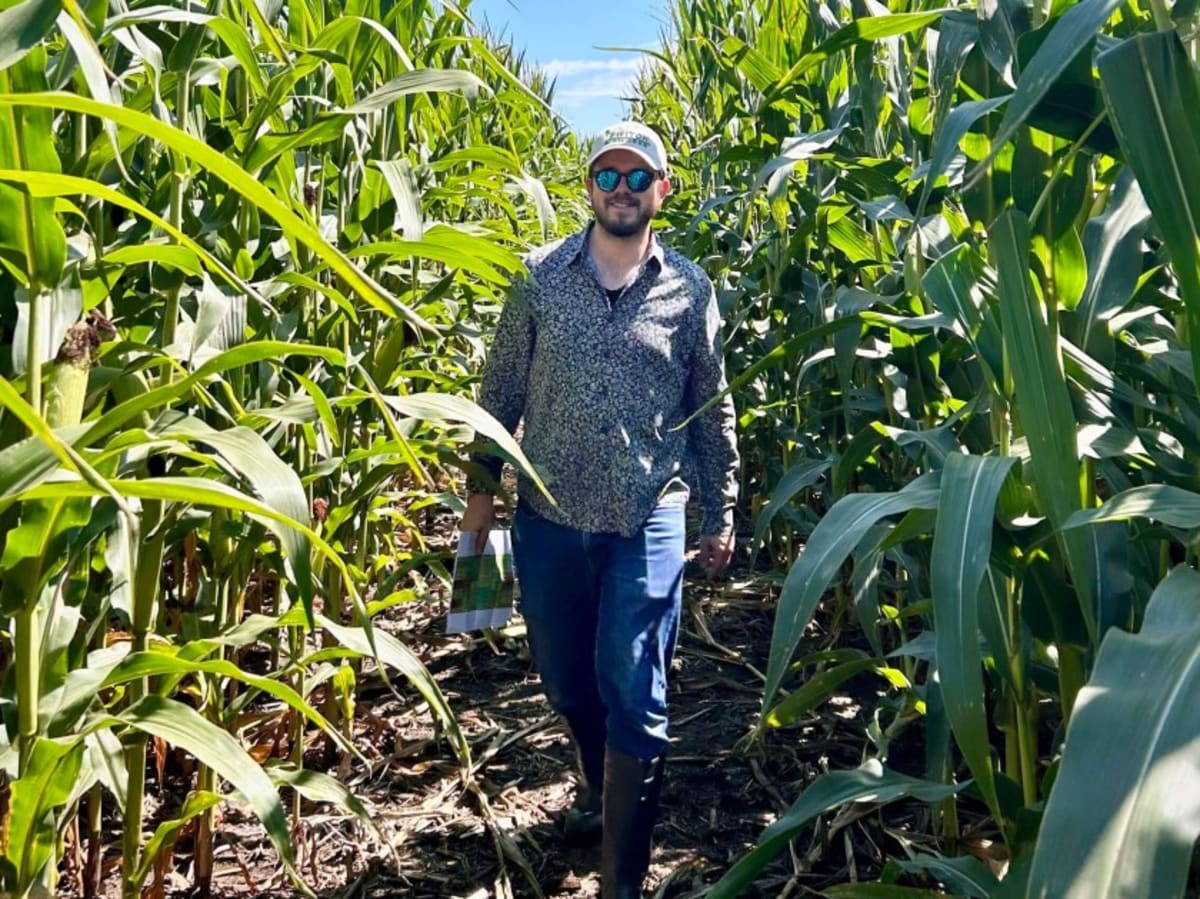
Tim Schnabel, the company's founder and CEO, is currently testing the technology across six U.S. states. Early results from August showed corn treated with Switch microbes looking visibly healthier than untreated plants. The real test comes in late October when harvest data reveals the full picture.
Another company, Pivot Bio, has already deployed similar technology on millions of acres since 2011. They've expanded from corn to cotton, wheat, sorghum, and barley, developing products that can be applied at planting or even pre-coated on seeds before they reach farms.
Travis Frey, Pivot's chief technology officer, sees perfect timing for this breakthrough. Fertilizer costs are climbing while crop prices are falling, creating what he calls "a double whammy" for farmers economically.
The Ripple Effect
This technology could transform one of agriculture's hardest-to-fix emission sources. Dan Blaustein-Rejto from the Breakthrough Institute calls it "a really important solution for a quite hard-to-abate sector."
The benefits cascade outward: lower emissions, reduced costs for farmers, and more reliable food production. As these microbial products move from trials to fields over the next few years, they could make sustainable farming not just possible but profitable.
Independent trials will be crucial for proving these products work as advertised, but the early signs point toward a future where feeding crops doesn't mean heating the planet.
The next decade could see biological fertilizers go mainstream, turning every farm into a hub of helpful microscopic workers doing what they've always done best.
More Images
Based on reporting by MIT Technology Review
This story was written by BrightWire based on verified news reports.
Spread the positivity!
Share this good news with someone who needs it