England's Right to Roam Movement Gains Major Momentum
A growing movement wants to open 92% of England's currently private countryside to the public, inspired by Scotland's successful 2003 access law. A new documentary reveals how campaigners are reigniting a fight that started nearly a century ago.
England might soon follow Scotland's lead in giving everyone the right to roam freely through forests, meadows, and mountains.
Right now, the English public can only access 8% of their countryside. In Scotland, a 2003 law changed everything by allowing responsible access to most land for walking, cycling, and camping.
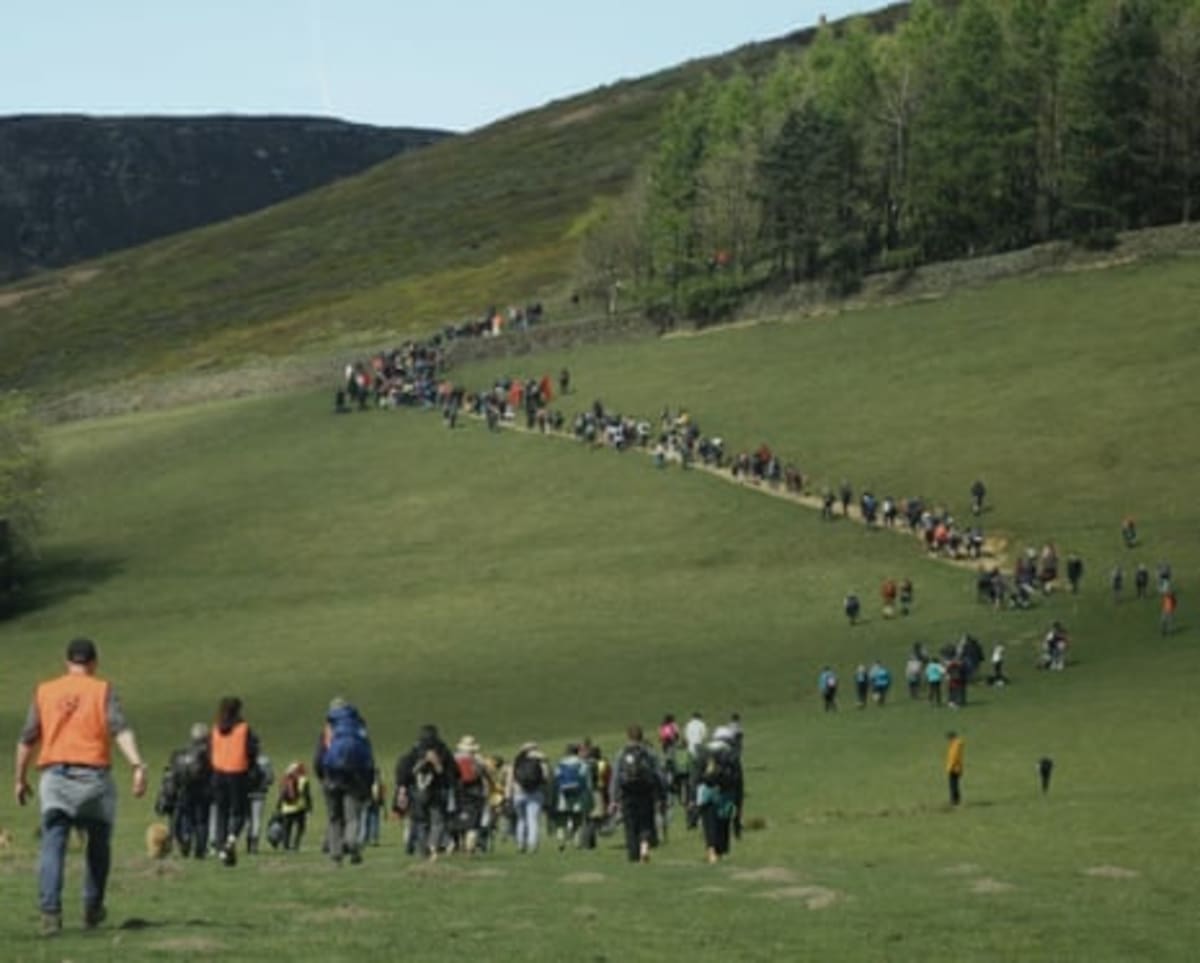
A new documentary called "Our Land" captures the rising energy behind England's right to roam movement. The film follows modern activists who use tactics from 1932, when brave trespassers stormed Kinder Scout in the Peak District and sparked a national conversation about who really owns nature.
"When Dartmoor happened it unleashed this seam of energy," says Nick Hayes, author of The Book of Trespass. He's referring to a 2023 battle that became the movement's turning point.
Landowners tried to ban wild camping on Dartmoor's 4,000 acres, winning initially in high court. The decision sparked fury and mass protests until the supreme court overturned the ban, giving campers their rights back.
That victory energized thousands who believe nature shouldn't be locked behind private gates. Just 1% of landowners control 50% of England, leaving millions cut off from forests and rivers that could offer healing connection to the outdoors.
The Ripple Effect
Scotland proves this approach works beautifully. Scottish landowner John Grant welcomes people onto his estate for camping, cycling, and kayaking.
"We have found that people then really do care for the land," Grant explains in the documentary. "We all belong to the land, the land doesn't belong to us."
Naturalist Nadia Shaikh moved to Scotland and witnessed the transformation firsthand. She says closeness to nature gives people a sense of belonging and responsibility they can't develop when locked out.
Countries like Sweden and Norway have embraced similar "freedom to roam" laws for generations. Their experience shows that when you trust people with nature, they rise to the occasion.
Some English farmers worry about gates left open or crops disturbed. Campaigners acknowledge the learning curve but believe education can bridge the gap, just as it did in Scotland.
The government hasn't committed to Scottish-style reforms yet, citing differences in population density and land use. But they're expanding access through new national river walks and the 2,700-mile King Charles III England coast path.
Guy Shrubsole, a land activist featured in the film, believes change is inevitable. The last major expansion happened in 2000 under Labour, and pressure is building for the next leap forward.
Director Orban Wallace hopes the documentary starts real conversations between opposing sides. Hundreds of thousands of acres could open to a public desperate for connection with the natural world.
More Images

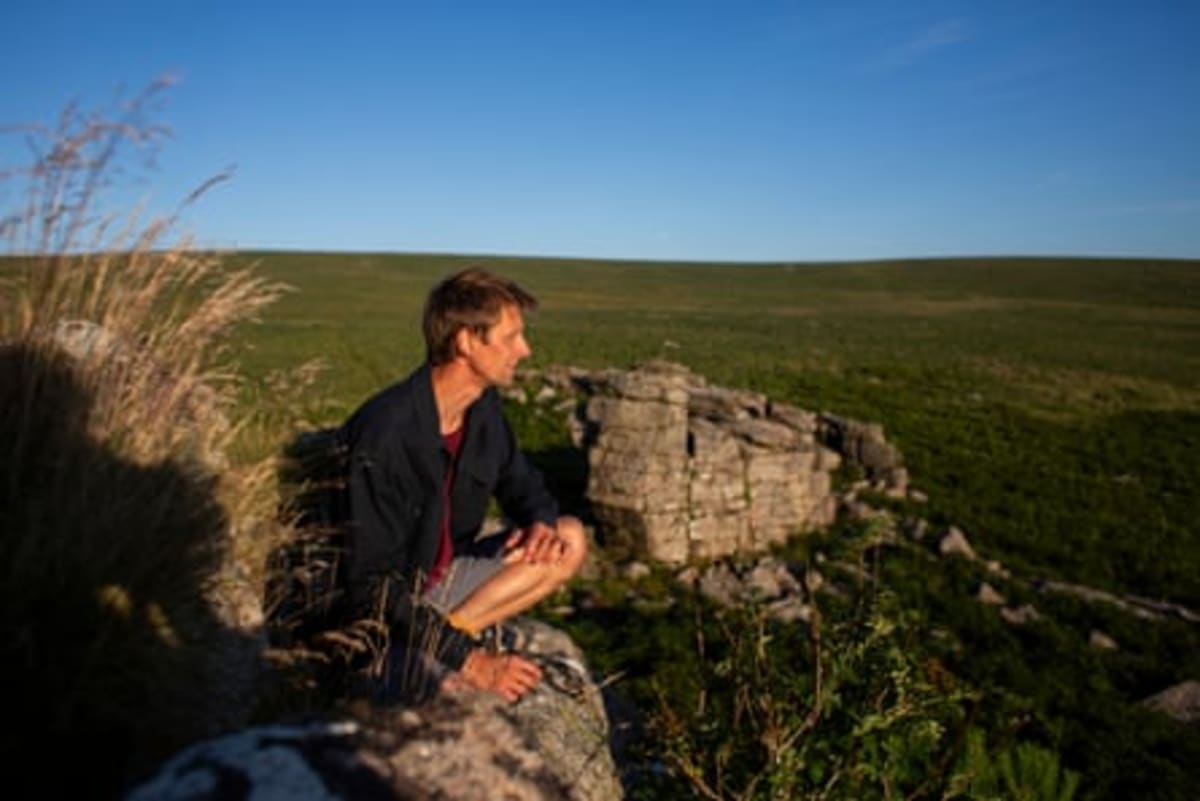
Based on reporting by Guardian Environment
This story was written by BrightWire based on verified news reports.
Spread the positivity!
Share this good news with someone who needs it