Ethiopia Completes 9 Irrigation Projects, 200K Hectares Ahead
Ethiopia just finished nine major irrigation projects that could transform 200,000 hectares of farmland, marking a turning point for farmers who've struggled with unpredictable rainfall. The country is now building a 15-year plan to bring even more reliable water to its agricultural heartland.
After years of incomplete projects and broken promises, Ethiopia just proved that smart planning can turn things around for struggling farmers.
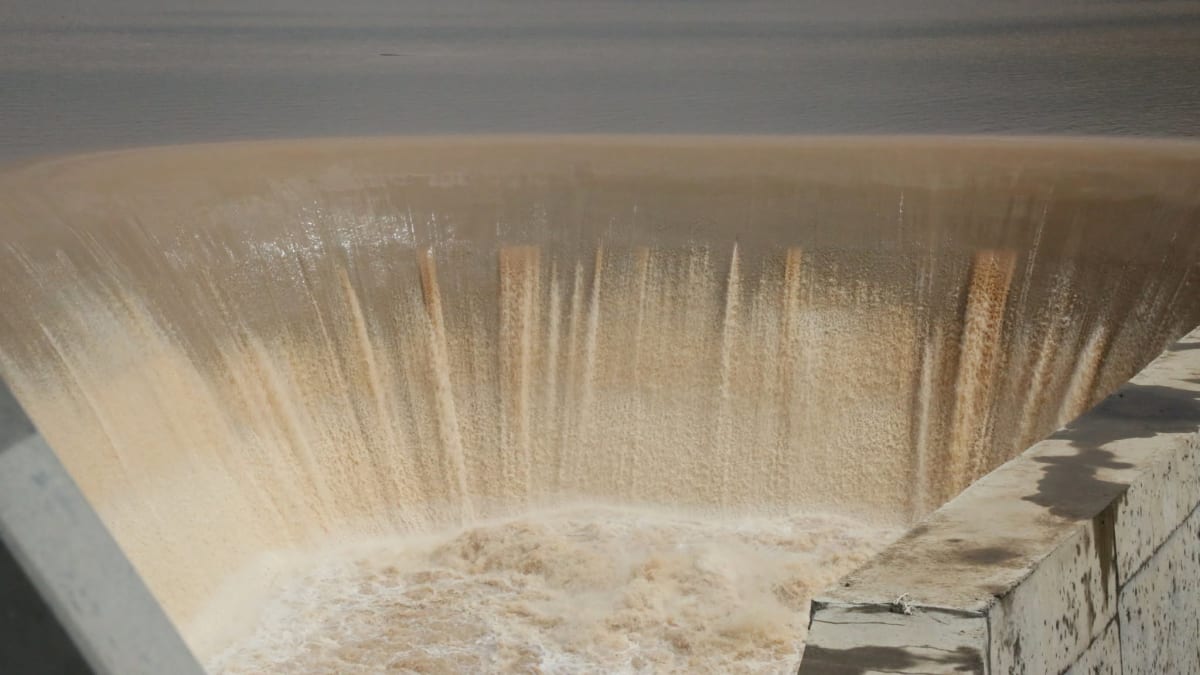
The country completed nine out of 10 major irrigation projects over the past two years, opening the door to irrigate nearly 200,000 hectares of land. For farmers who've watched crops wither during unpredictable dry seasons, this represents a lifeline to food security and stable incomes.
The Ministry of Irrigation and Lowlands didn't just build infrastructure. They fixed the broken system that left earlier projects incomplete or poorly maintained for years.
Yared Mulat, who leads irrigation project research and design at the ministry, says the difference came down to better quality control and project management. The ministry created more than 25 internal standards covering every stage from initial blueprints to final construction.
The newly completed projects include the Welmel, Gode, and Qeto irrigation dams. Even more encouraging, projects that sat unfinished for over a decade are finally crossing the finish line. The Arjo and Megech schemes, both launched 15 years ago, are now in their final stages.
Ethiopia needs this progress urgently. Rainfall patterns have become increasingly unreliable across the country, leaving farmers unable to predict growing seasons or protect their harvests.
The government isn't stopping with these nine completions. Officials are preparing a 15-year national irrigation roadmap designed to bring consistency and higher quality standards to future projects across the country.
The Ripple Effect
This infrastructure wave reaches far beyond individual farms. When irrigation systems work reliably, entire rural communities gain economic stability.
Farmers can plan multiple growing seasons per year instead of gambling on a single rainy season. Children attend school more regularly because families don't need to migrate during droughts. Local markets flourish with steady food supplies.
The standardized approach Ethiopia developed could become a model for other African nations struggling with similar challenges. By documenting what works and what doesn't, the ministry created a replicable system that prevents the waste and disappointment of abandoned projects.
The ministry plans to launch additional schemes in the coming fiscal year, including the proposed Woyibo dam project. Each new development will follow the proven standards that finally brought success to the recent completions.
For Ethiopian farmers watching reservoirs fill and irrigation channels flow steadily for the first time, the message is clear: reliable water is finally becoming reality, not just a promise.
More Images



Based on reporting by Regional: ethiopia development (ET)
This story was written by BrightWire based on verified news reports.
Spread the positivity!
Share this good news with someone who needs it