Ethiopia Explores Carbon Markets to Fund Climate Farming
Ethiopia is tapping into carbon markets to finance climate-smart farming that could restore degraded land while creating new income for rural communities. The country's Green Legacy Initiative positions it to lead Africa's sustainable agriculture transformation.
Ethiopia is turning climate action into opportunity by exploring how carbon markets can fund sustainable farming and restore its landscapes.
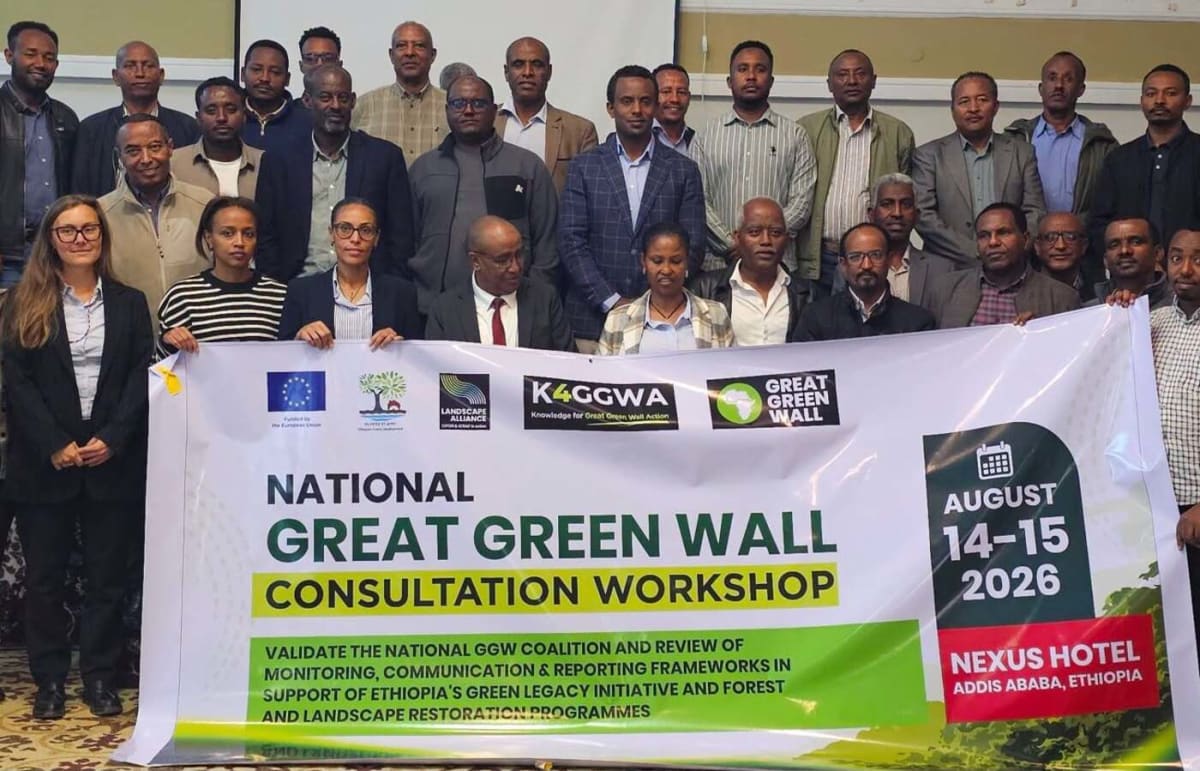
On June 30, 2026, senior government officials, researchers, and development partners gathered in Addis Ababa for a groundbreaking seminar on carbon finance. The event brought together Ethiopia's Ministry of Agriculture, the Agricultural Transformation Institute, and the Ethiopian Academy of Sciences to chart a path forward.
The timing couldn't be more critical. Climate change threatens Ethiopia's agricultural heartland, affecting crop yields and rural livelihoods across the country. But instead of simply defending against these impacts, Ethiopia is going on the offense with an innovative plan.
Carbon markets allow countries and farmers to earn money by capturing carbon through activities like tree planting, soil improvement, and ecosystem restoration. For Ethiopia, this means farmers could get paid for practices that also make their land more productive and resilient.
State Minister Prof. Eyasu Elias explained the vision clearly. "Carbon markets can provide innovative financing mechanisms to support sustainable agricultural practices, improve soil health, restore degraded landscapes, enhance resilience, and create additional livelihood opportunities for farmers and rural communities," he said.
Ethiopia already has a head start. The country's Green Legacy Initiative has planted billions of trees, restoring landscapes and building climate resilience nationwide. This massive effort provides the foundation for responsible participation in carbon markets.
State Minister Seyoum Mekonnen emphasized why this matters. "Climate change remains one of the key development challenges affecting Ethiopia's agricultural productivity, natural resource base, and rural livelihoods," he noted. Ethiopia's diverse landscapes offer significant potential for climate mitigation through agroforestry and smart land management.
The Ripple Effect spreads far beyond Ethiopia's borders. If successful, this approach could become a model for African nations seeking to finance climate action while supporting rural development. Carbon markets could unlock billions in funding for sustainable agriculture across the continent, transforming how farmers adapt to climate change while earning additional income.
The seminar addressed crucial questions about governance, community benefits, and safeguarding national interests. Participants discussed carbon accounting systems, market readiness, and research priorities to ensure any carbon market participation truly serves Ethiopian farmers and communities.
Dr. Mandefro Nigussie, CEO of the Agricultural Transformation Institute, stressed the importance of collaboration. Evidence-based partnerships among government, researchers, development partners, and private sector actors will be essential for success.
The quarterly Agriculture Science Seminar Series ensures ongoing dialogue about Ethiopia's agricultural future, with science and innovation guiding every decision about climate finance.
Ethiopia's farmers are positioning themselves to profit from healing the planet.
More Images

Based on reporting by Regional: ethiopia development (ET)
This story was written by BrightWire based on verified news reports.
Spread the positivity!
Share this good news with someone who needs it