Ethiopia Gets $2M for Solar Grids Powering Rural Farms
Rural Ethiopian communities are getting renewable energy mini-grids that power both homes and irrigation systems, thanks to a $2 million grant combining clean electricity with food security. The innovative approach makes clean energy projects financially viable while boosting local farming.
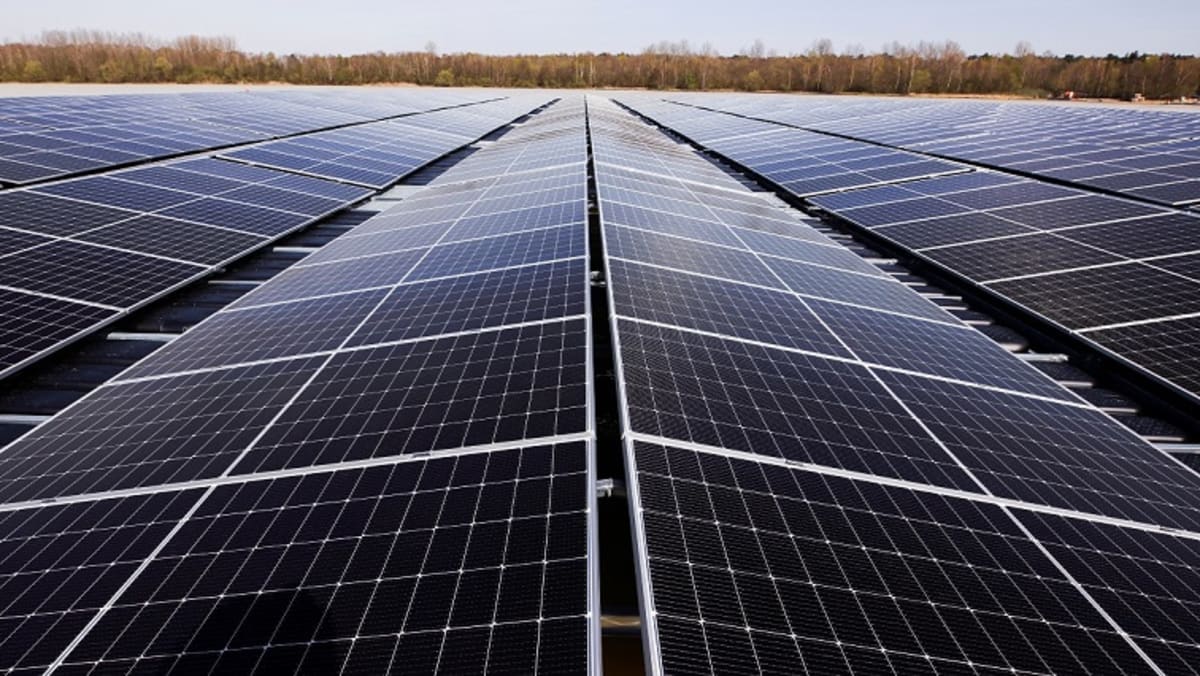
Thousands of rural Ethiopians will soon have electricity and irrigation powered by the sun, thanks to a groundbreaking $2 million grant linking energy access with food production.
The African Development Bank approved funding on July 17 for two solar mini-grids in rural Ethiopia under the country's DREAM programme. The initiative connects renewable energy directly to agricultural needs, powering both homes and irrigation systems that help farmers grow more food.
The grant covers up to half the construction costs for mini-grids in Lelicho and Murche. These projects use what experts call the ABC model: anchor loads like irrigation pumps provide steady demand, local businesses create revenue, and community connections ensure everyone benefits.
This approach solves a major problem that has plagued rural electrification efforts. Many remote mini-grids struggle financially because there isn't enough consistent demand to cover costs. By pairing energy with irrigation and farm processing, the projects generate reliable income while serving communities traditional grids can't reach.
Ethiopia's Water and Energy Minister Habtamu Itefa Geleta says the connection between water, energy and food security is fundamental to the country's development. The programme represents a new integrated approach that tackles multiple challenges at once rather than treating them separately.
The Ripple Effect
The impact extends far beyond just turning on lights. Farmers can irrigate crops during dry seasons, extending growing periods and increasing yields. Solar-powered processing equipment helps preserve harvests and add value to raw crops. Reliable electricity enables evening study for children and extends productive hours for small businesses.
The $2 million grant is part of an $8 million funding package approved in 2024. Partners include the Global Energy Alliance for People and Planet, which sees the model as scalable across Africa. Vice President Carol Koech notes that pairing renewable energy with irrigation and market access makes rural infrastructure financially sustainable.
Daniel Schroth, who directs renewable energy programs at the African Development Bank, says the project demonstrates how strategic grants can unlock much larger private investment. By reducing risk and proving the model works, the initial funding paves the way for commercial investors to fund similar projects across underserved markets.
The approach creates jobs in construction, operation and the agricultural businesses that rely on steady power. It builds climate resilience by reducing dependence on rain-fed agriculture while avoiding diesel generators that pollute and cost more over time.
Ethiopia is pioneering this integrated model with hopes it becomes a blueprint for rural development across the continent, where hundreds of millions still lack electricity and many farmers struggle with unreliable water access.
More Images



Based on reporting by Regional: ethiopia development (ET)
This story was written by BrightWire based on verified news reports.
Spread the positivity!
Share this good news with someone who needs it