South Korea's Solar Boom Challenges Nuclear Power Grid
South Korea's renewable energy success is creating a positive problem: too much clean power. Nuclear plants are reducing output to balance the grid as solar energy surges.
South Korea's clean energy revolution is growing so fast that nuclear power plants are now stepping aside to make room for the sun.
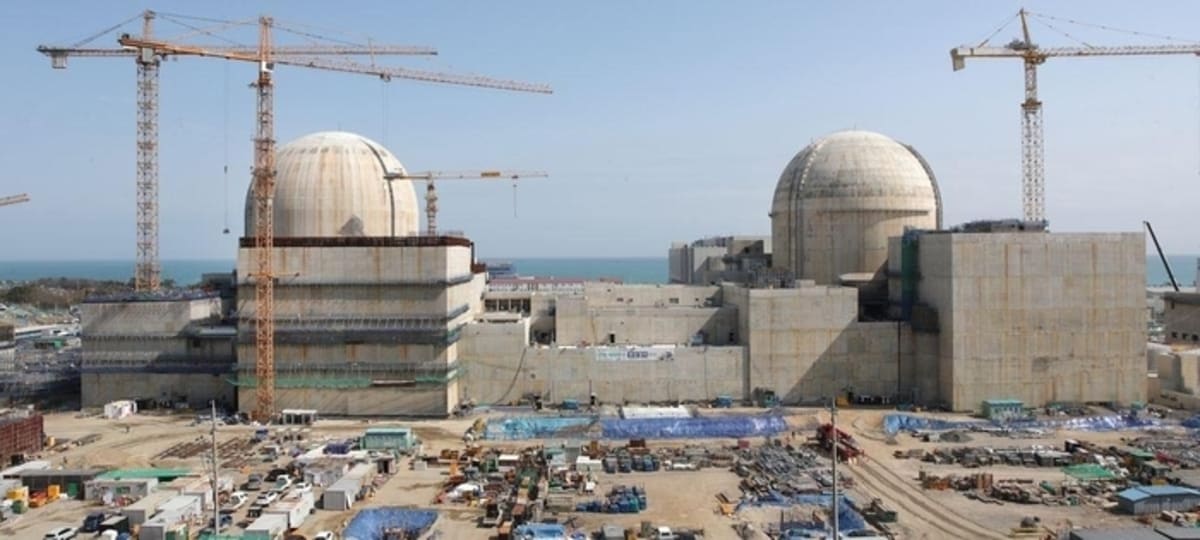
Nuclear facilities across the country reduced their output 15 times in just the first half of this year, already surpassing half of last year's total. That's a dramatic jump from just seven curtailments in all of 2024, signaling how quickly renewable energy is transforming the nation's power landscape.
The challenge is actually a sign of progress. Solar power has grown so rapidly that it now accounts for a major share of South Korea's renewable energy, which jumped from 6.9 percent of total electricity generation in 2021 to 10.4 percent last year.
The grid simply can't handle all this clean energy at once. When solar panels produce more electricity than homes and businesses need, especially during spring and fall when demand drops, power operators must reduce output somewhere to prevent overloads and blackouts.
Nuclear plants in South Jeolla Province face the biggest adjustment. The region has embraced solar energy enthusiastically, but only two transmission lines connect it to other areas, creating a bottleneck that limits how much power can flow elsewhere.
Why This Inspires
This isn't a setback for clean energy. It's growing pains from success.
South Korea is proving that aggressive renewable energy expansion is possible, even in a densely populated, highly industrialized nation. The country has built so much solar capacity so quickly that its existing infrastructure is struggling to keep up.
Power authorities are already developing solutions. Korea Hydro & Nuclear Power is creating flexible reactor technology that can safely reduce output to around 70 percent, with pilot programs starting at two facilities later this year. Engineers are also planning transmission grid expansions to carry renewable energy from where it's generated to where it's needed.
These adjustments show how nations can adapt their energy systems for a cleaner future. The temporary inefficiencies are worth solving because they stem from rapid progress toward sustainable power.
Other countries watching South Korea's experience can learn valuable lessons about planning transmission infrastructure alongside renewable energy buildouts. The challenge of managing too much clean energy is infinitely preferable to the alternative.
South Korea's solar boom proves that renewable energy targets aren't just aspirational but achievable, even when they create unexpected complications along the way.
Based on reporting by Google News - Solar Power Record
This story was written by BrightWire based on verified news reports.
Spread the positivity!
Share this good news with someone who needs it