Europe and China Launch Joint Space Weather Satellite
A groundbreaking international space mission just lifted off to help protect Earth from solar storms. The SMILE satellite will track how the sun's charged particles affect our planet's magnetic field.
Europe and China just launched a new satellite that could give us better warning when dangerous solar storms head our way.
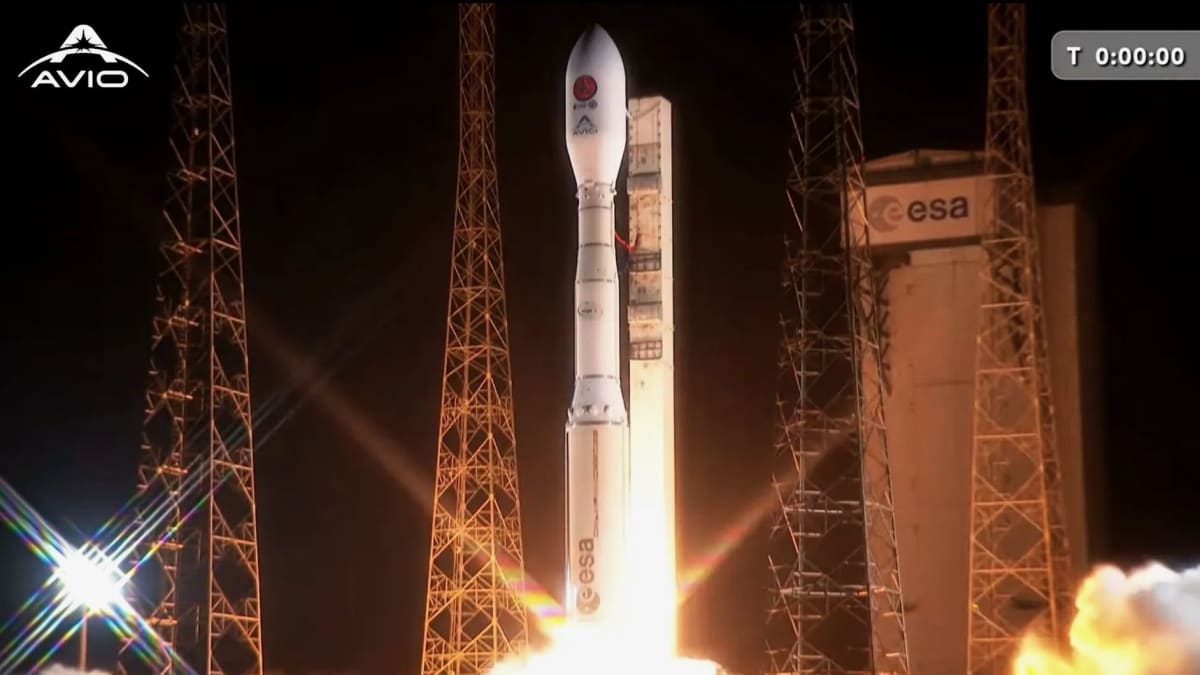
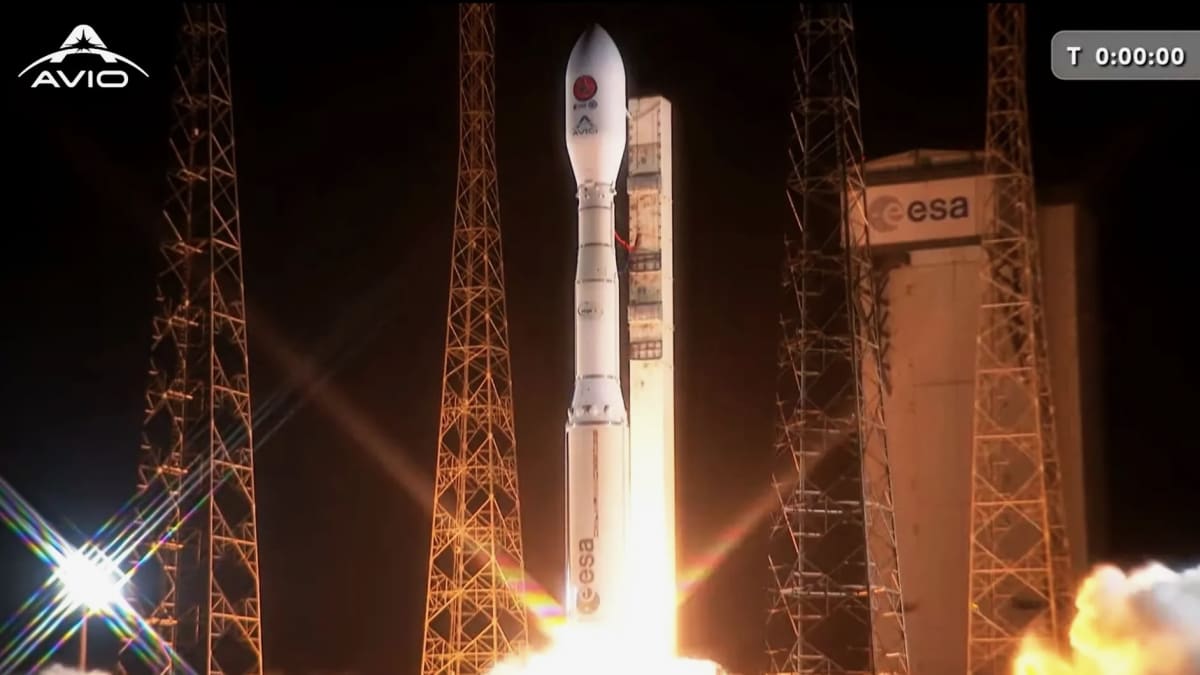
The SMILE spacecraft rocketed into orbit from French Guiana on Monday night aboard a Vega C rocket. Everything went perfectly, with the satellite reaching its temporary orbit 439 miles above Earth about an hour after liftoff.
SMILE stands for Solar wind Magnetosphere Ionosphere Link Explorer, and its job is to watch how streams of charged particles from the sun interact with Earth's protective magnetic bubble. This matters because solar storms can knock out power grids, damage satellites, and disrupt GPS systems that millions of people rely on every day.
The mission brings together the best of both space programs. The Chinese Academy of Sciences built the main satellite platform and three of the four scientific instruments onboard. The European Space Agency provided the rocket, the fourth instrument (a soft X-ray imager), and testing facilities.
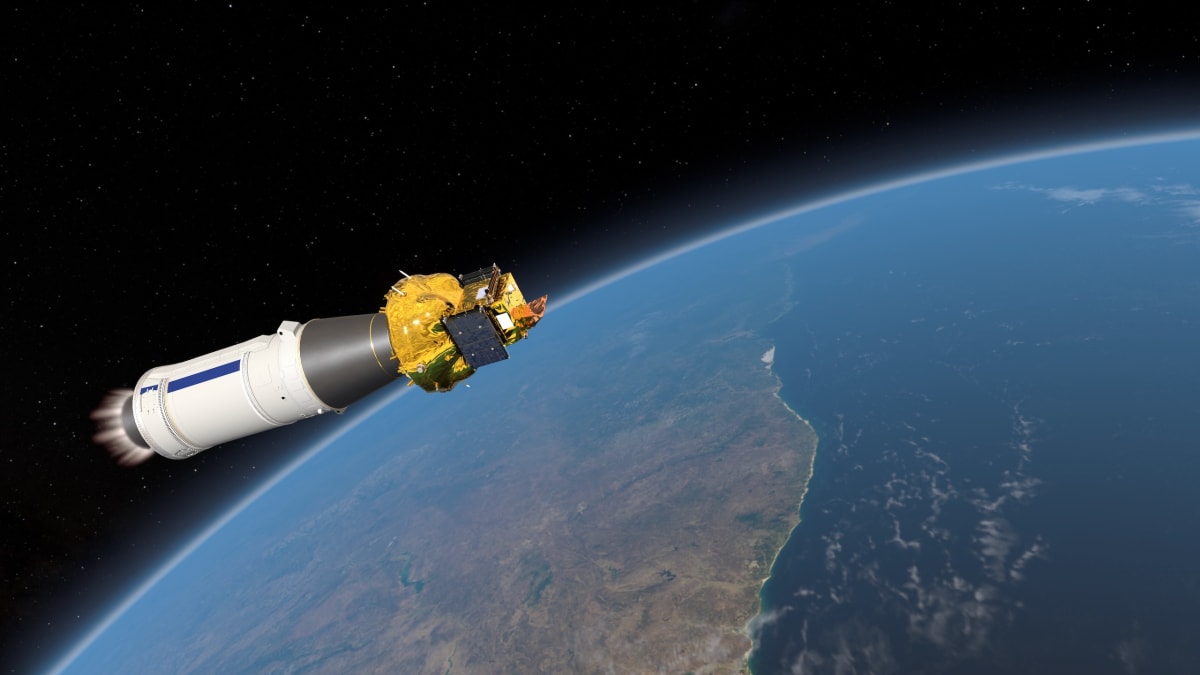
Over the next 25 days, SMILE will fire its engines 11 times to reach its final orbit. That path will swing it high above the North Pole and closer to Earth near the South Pole, giving it the perfect viewpoint to capture the complete picture of how solar wind hits our planet.
In about three months, after engineers confirm everything works properly, the satellite will start beaming back its first images. The mission is designed to run for three years, collecting data that scientists can use to predict space weather more accurately.
The Ripple Effect
Better space weather forecasting means power companies can prepare their grids before solar storms hit. Airlines can reroute flights to protect passengers from radiation during polar flights. Satellite operators can put their spacecraft in safe mode before dangerous particles arrive.
This mission also shows what's possible when countries work together on scientific challenges. While Europe and China compete in many areas, they found common ground in protecting everyone on Earth from the sun's most powerful outbursts.
The knowledge SMILE gathers will benefit the entire planet for decades to come.
More Images

Based on reporting by Space.com
This story was written by BrightWire based on verified news reports.
Spread the positivity!
Share this good news with someone who needs it