Europe Beats Heat With Ancient Shelters and Smart Tech
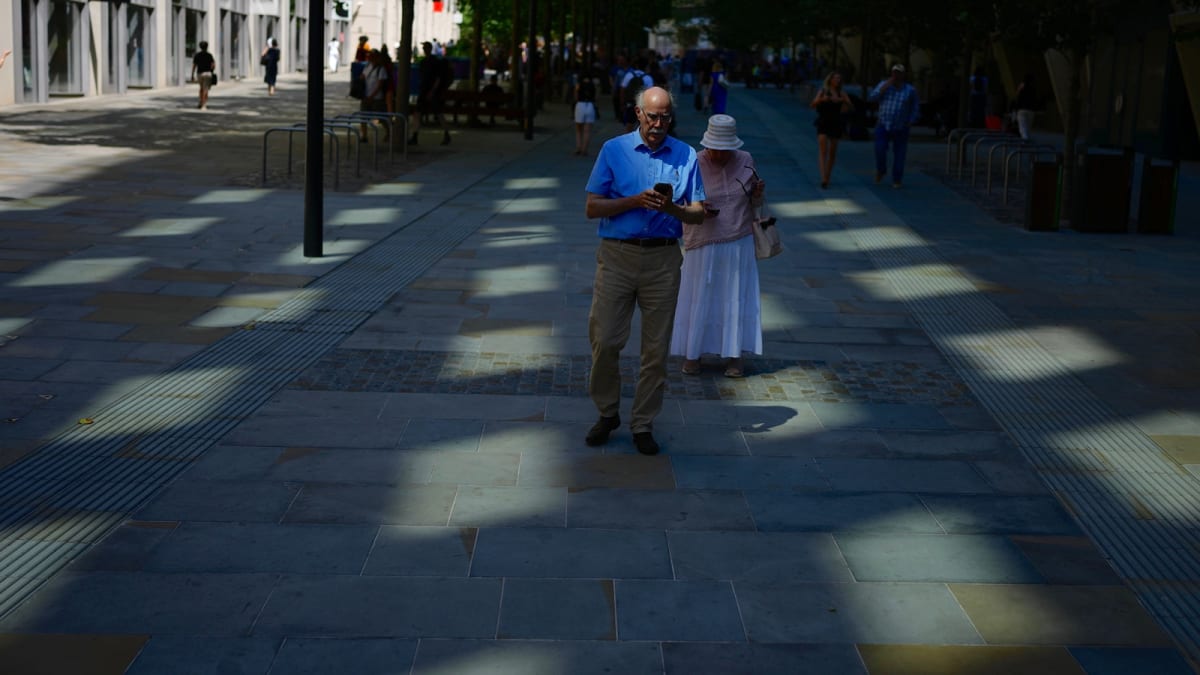
As record temperatures swept Europe this week, cities turned historic architecture and modern innovation into lifesaving cooling solutions. From Rome's ancient temple ruins to Bologna's 16th-century fountains, communities are proving adaptation works.
When temperatures hit 40 degrees Celsius across Europe this week, tourists in Rome discovered an unexpected refuge beneath the Colosseum. The underground spaces of the ancient Temple of Claudius became impromptu cooling centers, offering relief from the blazing sun above.
Cities across France, Germany, and Italy are responding to the extreme heat with a mix of quick action and smart planning. Paris installed misting stations at the Eiffel Tower and other tourist hotspots to help crowds stay cool and safe.
In Bologna, one of Italy's hottest cities, residents flocked to the 16th-century Fountain of Neptune to splash water on their faces. The city's historic porticoes, built centuries ago, now serve as shaded walkways protecting people from the summer sun.
French authorities mobilized quickly as temperatures approached historic highs. Prime Minister Sebastien Lecornu called an emergency meeting to coordinate the response across the country's emergency services and military forces.
The government rescheduled afternoon school exams to cooler morning hours and placed wildfire teams on high alert. Officials also tightened monitoring of water supplies to nuclear reactors to ensure continued safety during the heat spell.
Germany issued nationwide heat alerts as temperatures climbed to 38 degrees Celsius. The country's weather service helped residents prepare for potential thunderstorms that often follow intense heat and humidity.
The Ripple Effect
These coordinated responses show how communities are getting better at protecting people during extreme weather. The World Health Organization noted that while heat caused 200,000 deaths across Europe in the past four years, most were preventable with proper planning.
Cities are now learning from each experience. The WHO recommends opening cooling centers, adjusting work schedules to avoid midday heat, and using both old and new infrastructure to keep people safe.
France's government is already planning longer-term adaptations, including expanding air conditioning access in a country that historically relied on cooler climates. Local officials are identifying which buildings and public spaces work best as cooling refuges.
The combination of ancient architecture and modern emergency response is creating a blueprint for other regions facing similar challenges. Rome's temple ruins weren't built as cooling centers, but they're serving that purpose perfectly today.
In Bologna, those 16th-century porticoes that once sheltered market-goers from rain now protect residents from dangerous heat. Sometimes the solutions we need already exist, just waiting to be recognized.
Europe's response this week shows that communities can adapt quickly when they work together and use every resource available.
Based on reporting by Indian Express
This story was written by BrightWire based on verified news reports.
Spread the positivity!
Share this good news with someone who needs it