Europe Fights Back Against River Crisis With Bold Solutions
As drought threatens Europe's major rivers, governments and scientists are launching innovative restoration projects that could reverse decades of damage. From rewetting ancient peatlands to natural filtration systems, communities are proving rivers can recover.
Scientists and policymakers across Europe are racing to save the continent's rivers with nature-based solutions that show real promise.
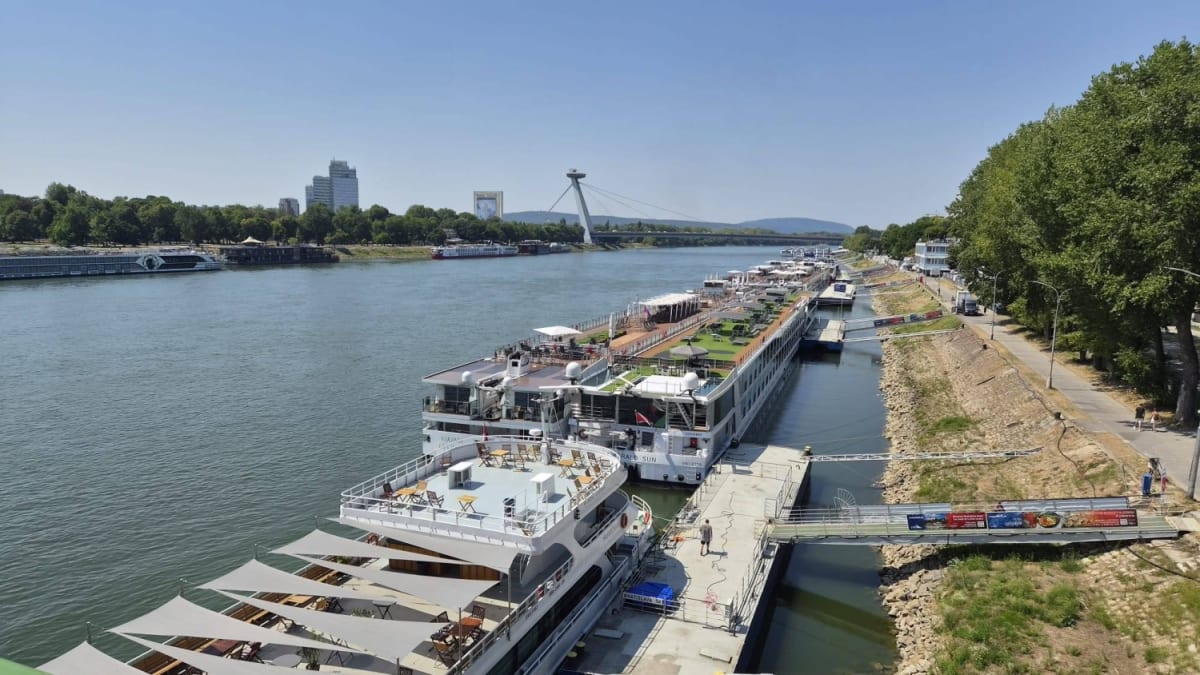
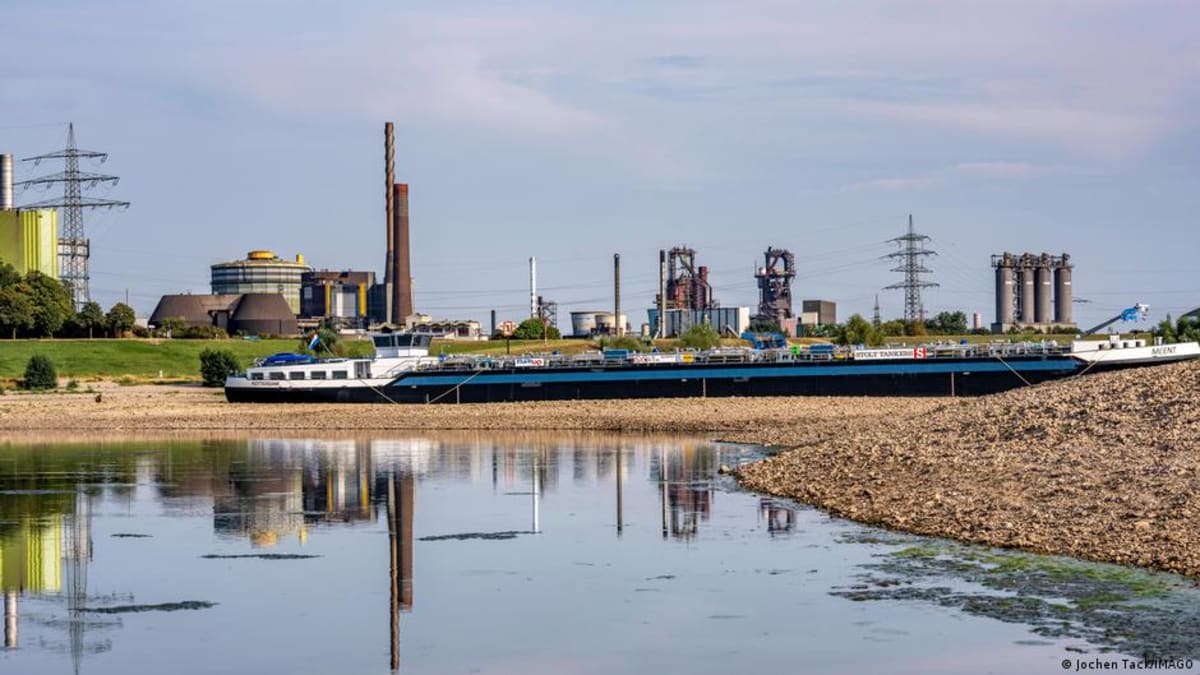
While drought has exposed the vulnerability of major waterways like the Rhine and Danube, it's also sparked a wave of innovative conservation efforts. Researchers are implementing strategies that could restore river health for generations to come.
Jeanette Völker from Germany's federal environment agency points to a key breakthrough. Natural filtration systems along riverbanks act as living water purifiers, and protecting these reed-filled ecosystems costs far less than building new treatment plants.
Germany is investing up to €14 billion by 2035 in upgraded water systems designed to keep rivers healthy even during dry periods. These improvements include smarter reservoirs that maintain cooler temperatures and limit harmful microbial growth.
Rewetted peatlands are emerging as game-changers for water retention. These restored landscapes act like giant sponges, slowly releasing water into river systems during dry spells while absorbing excess during floods.
Hagen Koch from the Potsdam Institute for Climate Impact Research emphasizes that these natural solutions work better than traditional engineering. "The ecosystem itself contributes to water purification for millions of people," he explains.
The crisis has prompted a necessary rethinking of water use across industries. Several German cities are pioneering fair water pricing systems that encourage conservation while funding restoration projects.
Romania's swift action to protect the Cernavoda nuclear plant's cooling supply shows how quickly governments can mobilize when needed. On August 6, Germany brought together industry leaders, port authorities, and shipping companies to develop both immediate and long-term solutions.
The Bright Side
What makes these efforts particularly hopeful is that river ecosystems are remarkably resilient when given the chance to recover. Scientists note that protecting existing natural filtration systems costs a fraction of building new treatment facilities, making restoration both environmentally smart and economically sensible.
The increased focus on conservation has united communities around shared water resources. Citizens are becoming more aware of their water footprint, and industries previously exempt from fees are facing new accountability measures.
These collaborative efforts prove that even climate-fueled challenges can spark the innovation and cooperation needed to build a more sustainable future.
Based on reporting by DW News
This story was written by BrightWire based on verified news reports.
Spread the positivity!
Share this good news with someone who needs it