Europe Restores Coastal Ecosystems From Arctic to Med
Scientists are reviving damaged European coastlines with seagrass meadows, oyster reefs, and innovative erosion solutions that bring back marine life while helping communities adapt to climate change. From Arctic Norway to Mediterranean Portugal, the Climarest initiative is proving nature can bounce back with the right care.
A powerful wave of ocean healing is sweeping across Europe, and early results show damaged coastlines can recover faster than scientists expected.
The Climarest initiative is tackling coastal restoration at five sites from the Arctic to the Mediterranean. Researchers aren't just fixing ecosystems. They're partnering with local communities to create solutions that work for both nature and people.
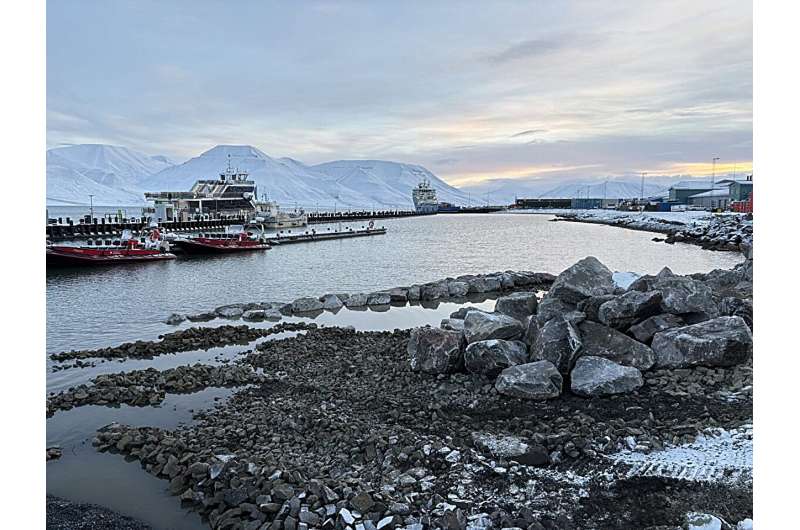
In Longyearbyen on Svalbard, a creative approach is stopping coastal erosion while giving residents a new recreational space. The team built a 30-meter prototype using stone rubble designed to look like natural rocky shoreline, complete with recycled wood structures and an intertidal pool.
The same town faced another challenge: 300,000 cubic meters of untreated wastewater flowing into Adventfjorden each year. A simple public awareness campaign featuring Arctic animal stickers reminded residents to flush only toilet paper. The result? Measurements from August 2025 showed a 30% drop in incorrect flushing.
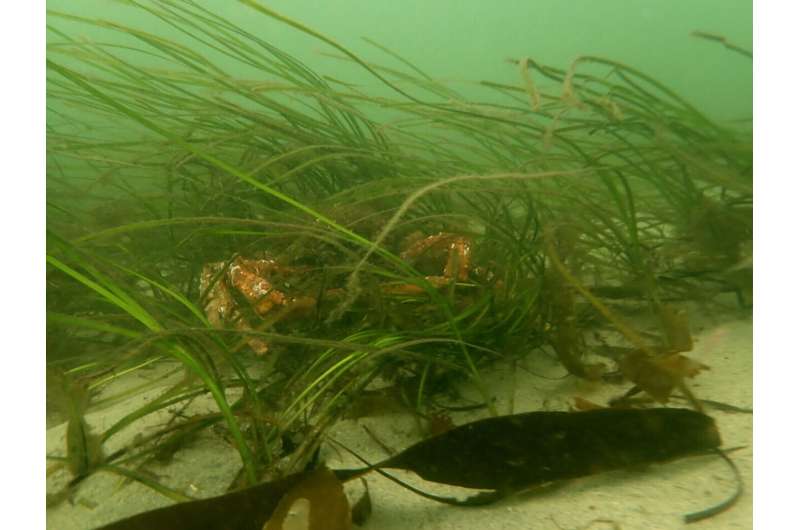
In Ireland and Spain, researchers are bringing back vital seagrass meadows that filter water, store carbon, and provide nursery areas for fish. They tested different planting methods, wrapping seeds in mudballs and sowing them directly into the seabed. Survival rates varied, with nearly all plants thriving at one Irish site while others showed more modest results.
France is witnessing the comeback of European flat oyster reefs in Brittany's bays. These underwater biodiversity hotspots collapsed decades ago from overfishing and pollution, but restoration efforts are rebuilding the reefs that once covered vast coastal areas.
The Ripple Effect
Each restoration site creates benefits that spread far beyond the immediate area. Seagrass meadows stabilize coastlines and prevent erosion downstream. Oyster reefs filter massive amounts of water while providing homes for young shellfish. Even small changes, like the wastewater reduction in Longyearbyen, improve conditions for organisms living throughout the fjord.
Researcher Ida Beathe Øverjordet from SINTEF explains the bigger mission: healing nature while empowering the communities that depend on healthy coasts. By involving local people in design decisions and tracking measurable goals, the project ensures solutions work in the real world, not just in research papers.
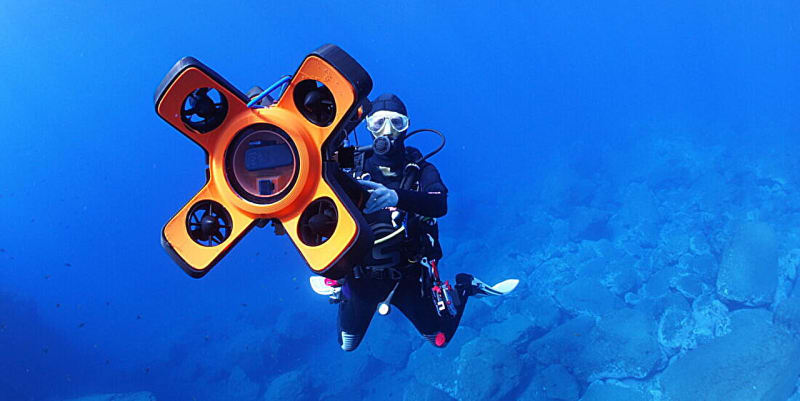
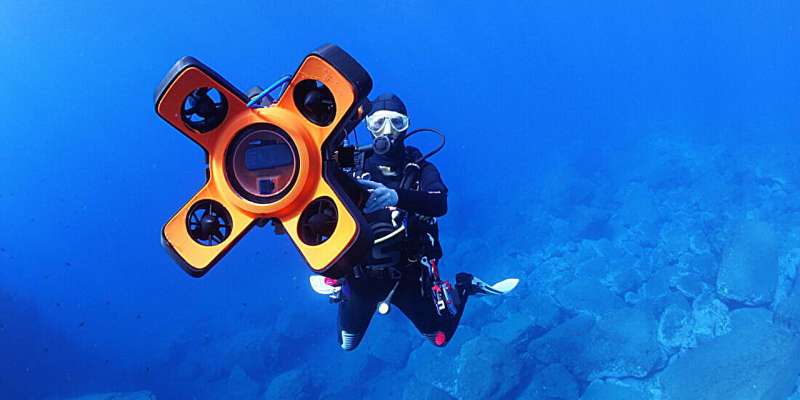
The team monitors progress using drone mapping, seabed depth measurements, and eDNA analysis to track changes in everything from microorganisms to small animals. This data helps identify which methods work best and can be scaled up to other damaged coastlines.
Communities across Europe now have a roadmap for reversing centuries of coastal damage, one restored habitat at a time.
More Images
Based on reporting by Phys.org
This story was written by BrightWire based on verified news reports.
Spread the positivity!
Share this good news with someone who needs it