Europe's $2.7T Budget Could Power Green Economy Shift
A coalition of 11,500 companies is pushing the EU to use its massive $2.7 trillion annual purchasing power to create demand for clean products. The move could finally align Europe's climate goals with real market incentives.
Europe spends $2.7 trillion every year buying goods and services, and a growing coalition wants every dollar to drive the green transition forward.
Twenty-six business and civil society groups representing more than 11,500 companies sent a letter to the European Commission in August urging mandatory low-carbon criteria in all public procurement. The timing matters: the EU is revising its purchasing rules on September 9th.
The problem they're highlighting is striking. Europe tells companies to decarbonize, but government buyers still mostly choose the cheapest option regardless of carbon footprint. Companies investing in cleaner steel, construction materials, and technologies often lose contracts to higher-polluting competitors who can undercut on price.
Public procurement represents about 16% of EU GDP. That's enough purchasing power to reshape entire industries if wielded strategically.
The coalition argues current green criteria are too weak and inconsistently applied across member states. Some countries reward clean products while others ignore emissions entirely. This patchwork approach means companies can't count on green investments paying off.
Their solution is straightforward: phase out lowest-price-only bidding and make emissions a core factor in every government purchase. Authorities would evaluate the "most economically advantageous tender" instead, considering long-term value and climate impact alongside upfront cost.
The proposal builds on existing EU climate frameworks rather than creating new reporting burdens. It would use emissions data methodologies already established through Europe's carbon market and border tax systems.
The Ripple Effect
If adopted, the changes would send unmistakable signals through supply chains worldwide. When governments reliably favor low-carbon options, manufacturers gain clear incentive to invest in cleaner production. Clean technology becomes commercially smart, not just environmentally responsible.
The shift could accelerate across sectors simultaneously. Construction, transportation, energy, manufacturing—any industry selling to government buyers would face pressure to innovate. Early movers would win contracts while laggards lose market access.
The coalition also wants procurement rules to screen out suppliers relying on poor labor conditions, linking climate action with social standards. Progressive implementation would give companies time to adapt while maintaining competitive pressure.
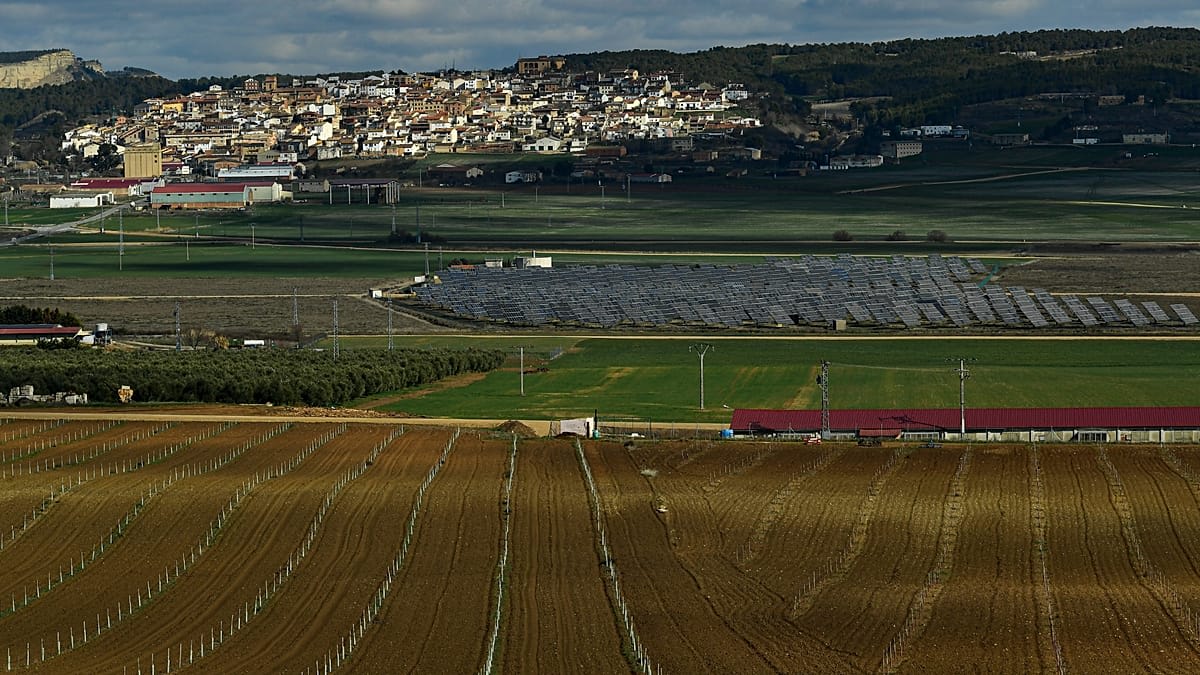
Spain is already positioning itself as Europe's green hydrogen leader, though experts note success depends on dramatically scaling renewable electricity. Procurement rules favoring clean hydrogen could help create the sustained demand needed to justify those investments.
The proposal arrives as EU lawmakers debate the Industrial Accelerator Act, which promotes "Made in Europe" preferences to compete with China and the US. Combining domestic preference with climate criteria could simultaneously rebuild European industry and accelerate decarbonization.
Eleven thousand companies are betting that aligning government purchasing with climate goals isn't just good policy—it's the market signal Europe's green transition has been waiting for.
Based on reporting by Euronews
This story was written by BrightWire based on verified news reports.
Spread the positivity!
Share this good news with someone who needs it