Europe's $2B Mercury Mission Reaches Final Milestone
After eight years and 6 billion miles, Europe's BepiColombo spacecraft just shed its engines and is coasting toward Mercury orbit this November. Two science orbiters are about to unlock secrets of our Solar System's most mysterious planet.
A spacecraft the size of a bus just pulled off a delicate maneuver 39 million miles from the Sun, bringing humanity one step closer to solving the mysteries of our Solar System's most extreme world.
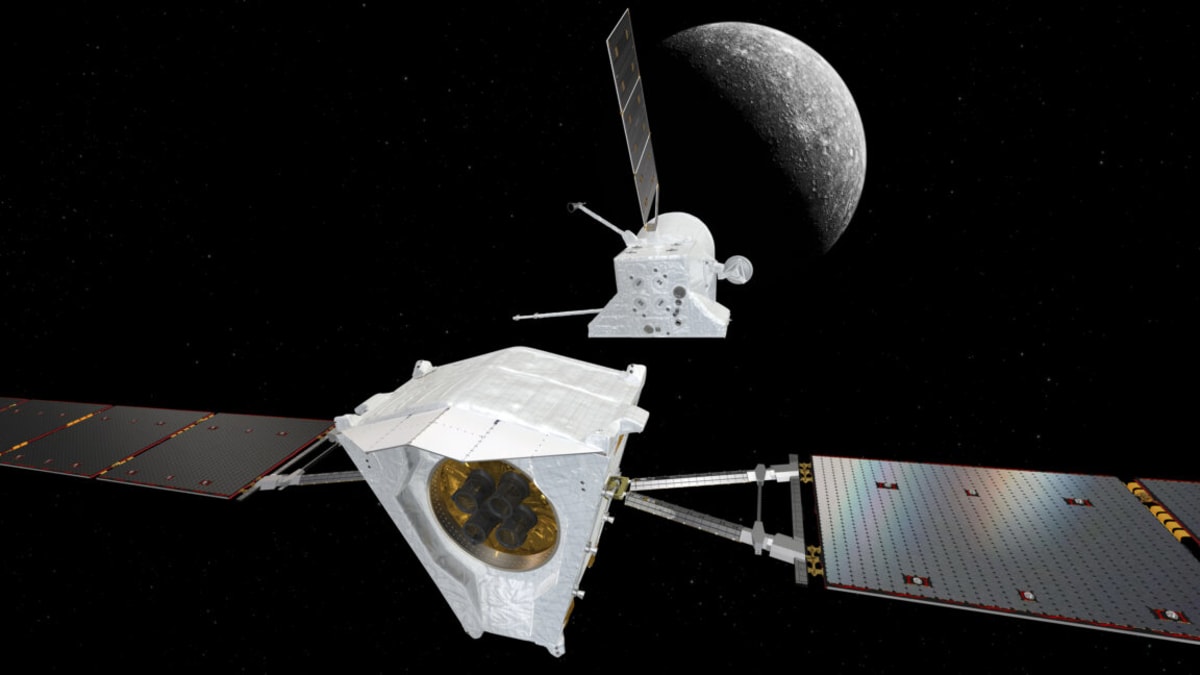
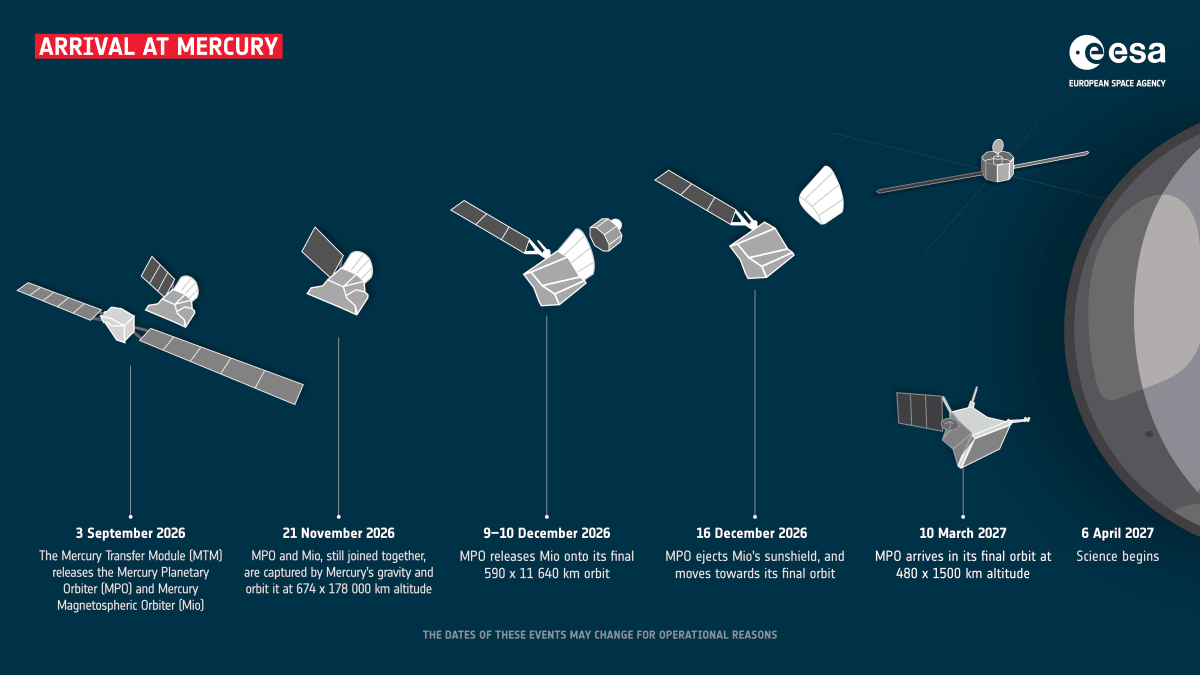
Europe's BepiColombo mission successfully jettisoned its propulsion module this week, clearing the final major hurdle before slipping into orbit around Mercury in November. The $2 billion mission, led by the European Space Agency with partners from Japan and the United States, has been cruising through space since 2018.
Getting to Mercury is harder than it sounds. The tiny planet whips around the Sun so fast that catching up and slowing down enough to enter orbit actually requires more energy than sending a probe all the way to Pluto. BepiColombo needed nine planetary flybys and the most powerful electric propulsion system ever sent into deep space just to make the journey possible.
The spacecraft is actually three vehicles stacked together. The propulsion module did the heavy lifting for eight years, but now it's dead weight that had to go. Left behind are two scientific orbiters, one European and one Japanese, still traveling together until they separate in December.
Thursday's separation happened in one of the harshest environments imaginable. At less than half Earth's distance from the Sun, extreme temperatures and intense radiation made the maneuver as risky as launching a new spacecraft from scratch. Several of BepiColombo's best cameras and instruments have been blocked this whole time and will finally see Mercury clearly for the first time.
Why This Inspires
The mission hasn't been without challenges. BepiColombo's ion thrusters lost partial power in 2024, forcing engineers to extend the cruise by a year. But the team adapted, problem solved, and kept going.
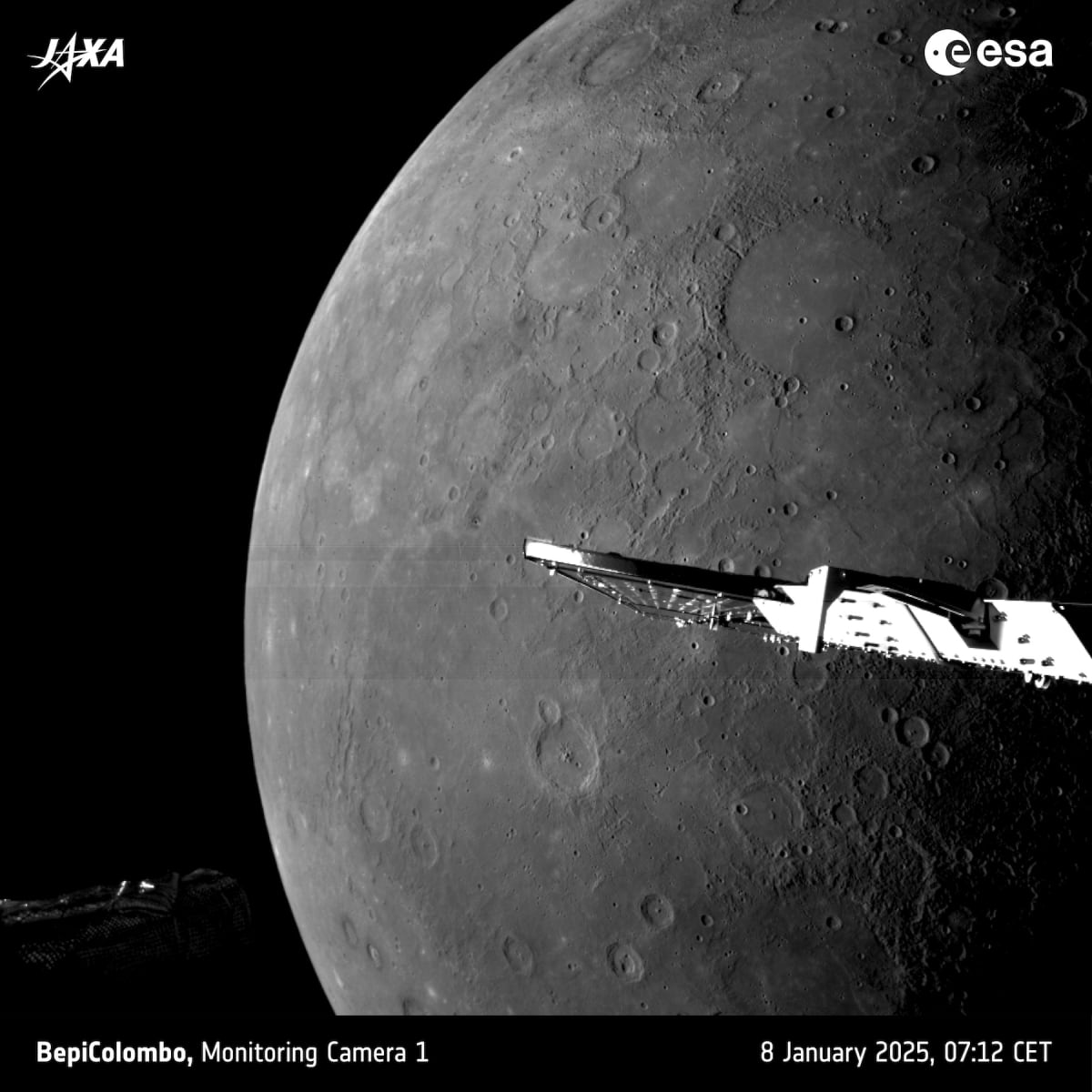
When both orbiters settle into Mercury's orbit later this year, they'll give scientists unprecedented views of a planet we barely understand. Mercury's massive iron core, its mysterious magnetic field, and its Sun scorched surface hold clues about how rocky planets form and evolve.
For the first time ever, two spacecraft will study Mercury simultaneously from different perspectives. Mission manager Santa Martinez called it "a new chapter in our understanding of the Solar System."
After 6 billion miles and nearly a decade of flight, BepiColombo is just months from transforming our view of the Solar System's smallest, fastest, most enigmatic world.
More Images


Based on reporting by Ars Technica
This story was written by BrightWire based on verified news reports.
Spread the positivity!
Share this good news with someone who needs it