Europe's Mercury Mission Reaches Planet After 8-Year Journey
After eight years of spaceflight, Europe's BepiColombo mission is days away from splitting into two probes to study Mercury, one of our solar system's most mysterious planets. The ambitious mission will unlock secrets about the scorching hot world that telescopes on Earth simply cannot see.
Two spacecraft are about to begin studying one of the solar system's least understood worlds, and scientists can barely contain their excitement.
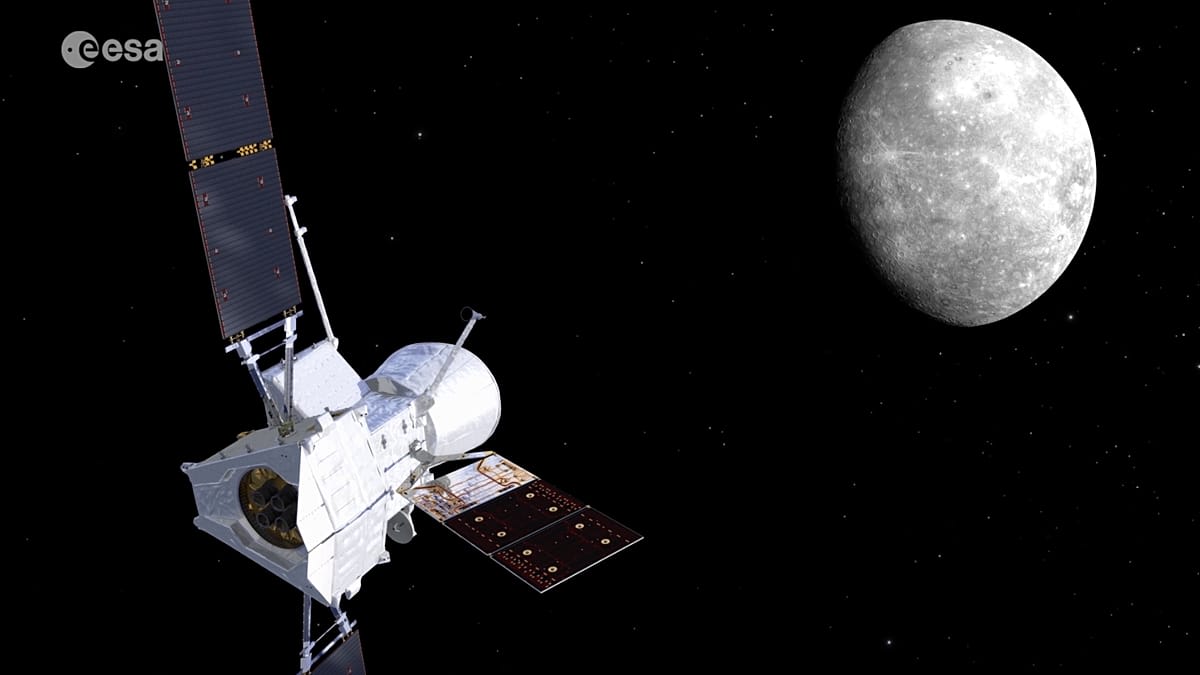
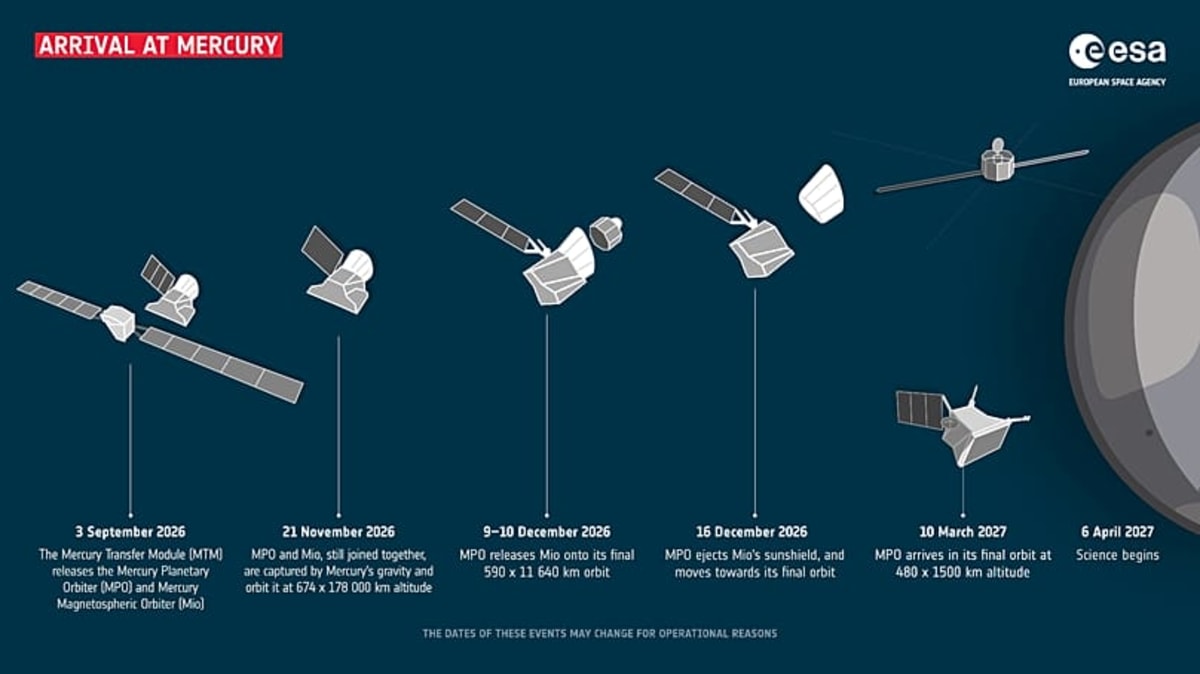
On September 3rd, the European Space Agency's BepiColombo mission will perform a critical maneuver near Mercury. After traveling for eight years, the mission will split into two separate probes that will orbit the planet closest to our Sun.
Getting to Mercury turned out to be far harder than reaching Mars. Spacecraft falling toward the Sun actually speed up instead of slowing down, pulled by intense solar gravity. BepiColombo needed nine planetary flybys and eight years of careful maneuvering just to match Mercury's speed.
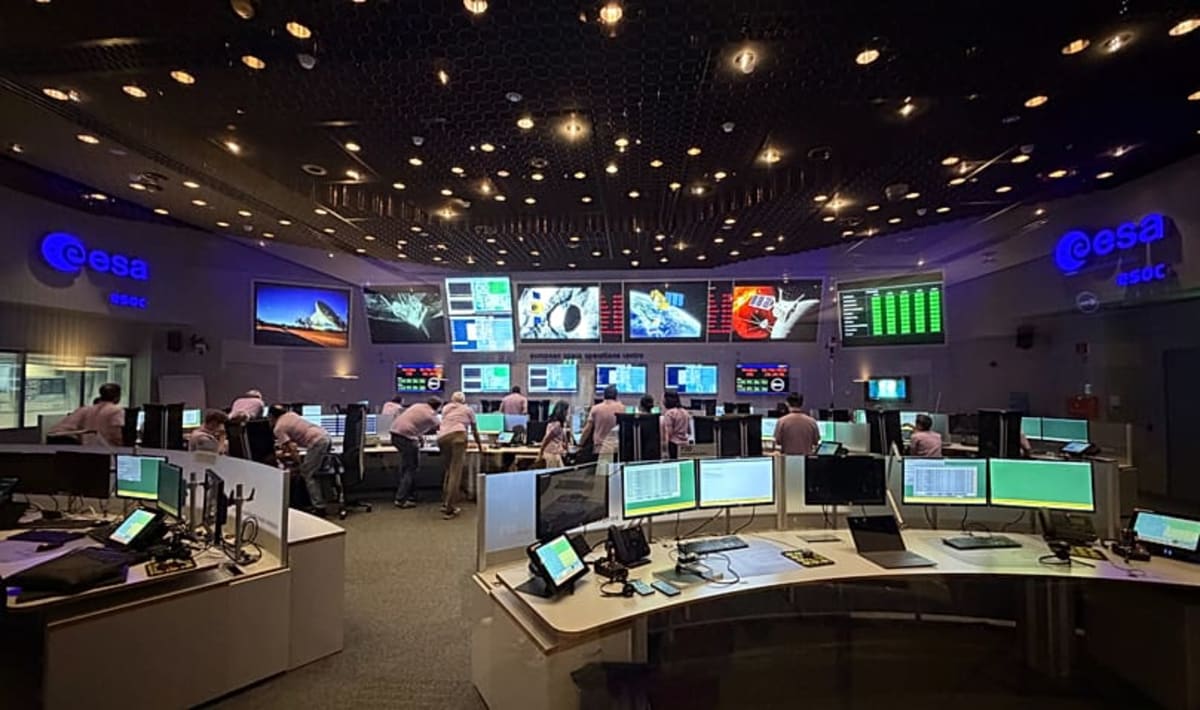
The mission team at ESA's control center in Darmstadt, Germany is preparing for a nerve-wracking Thursday. When the spacecraft splits apart, instruments that have been safely tucked inside will suddenly face extreme temperatures ranging from -180°C to 450°C. The solar radiation hits ten times stronger than what we experience on Earth.
Flight Director Ignacio Tanco compared the challenge to "operating with a very hot pizza oven running right on your back." The solar panels must be tilted at exactly the right angle. Move them a fraction too far from the Sun and the spacecraft loses power; angle them slightly too close and they burn up completely.
The two probes, currently stacked together, will separate from their mothership on Thursday. Europe's Mercury Planetary Orbiter will study the planet's surface and interior, while Japan's Mercury Magnetospheric Orbiter will focus on the surrounding space environment. After separation, they'll spend weeks flying together before crucial thruster burns in late November and December capture them in Mercury's orbit.
Why This Inspires
Mercury holds secrets that could reshape our understanding of how planets form. The tiny world is unusually heavy for its size, likely because of an oversized iron core that scientists don't yet understand. Studying Mercury from Earth proves nearly impossible because the Sun's brightness drowns out telescope observations.
This mission represents humanity's relentless curiosity about our cosmic neighborhood. After investing eight years of precise navigation and engineering, we're finally getting our closest look yet at one of the solar system's most extreme environments.
The science phase officially begins in April 2027. By then, two independent spacecraft will be circling Mercury, gathering data that no telescope could ever capture, answering questions we've wondered about for generations.
More Images
Based on reporting by Euronews
This story was written by BrightWire based on verified news reports.
Spread the positivity!
Share this good news with someone who needs it