NASA's Roman Telescope Launches 9 Months Ahead of Schedule
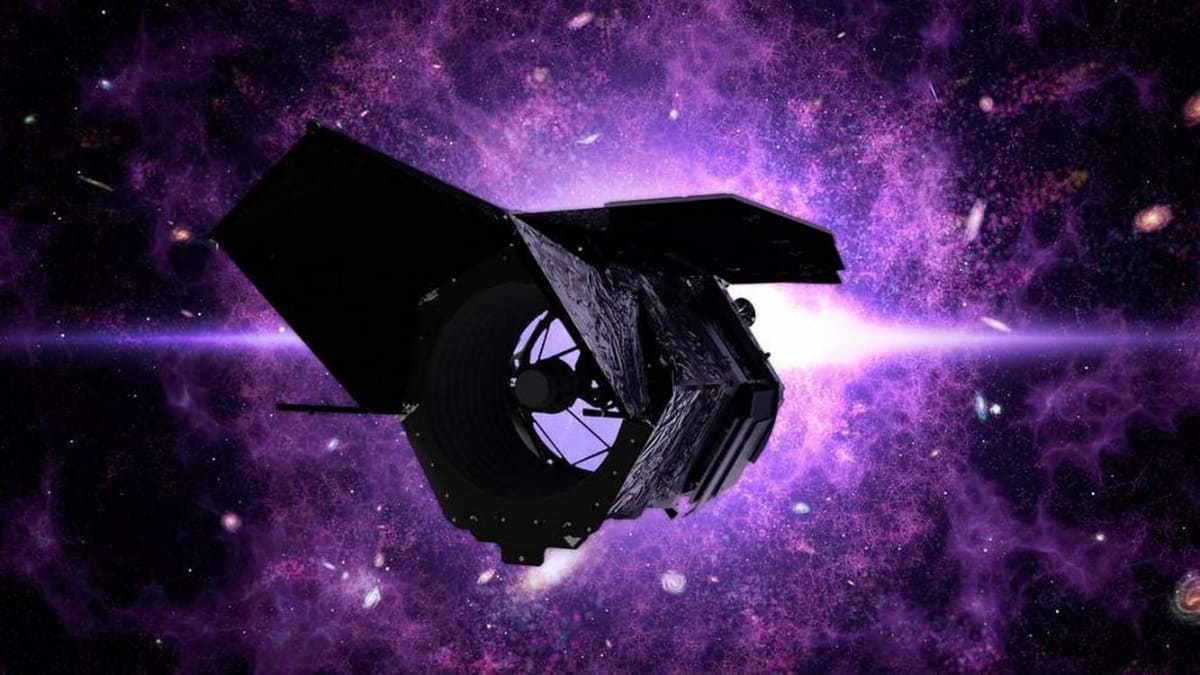
Despite two attempts to slash its budget, NASA's newest space telescope launched Sunday, nine months early and ready to unlock the universe's biggest mysteries. The Nancy Grace Roman Space Telescope will hunt for dark matter, discover thousands of new planets, and survey the entire Milky Way in just one month.
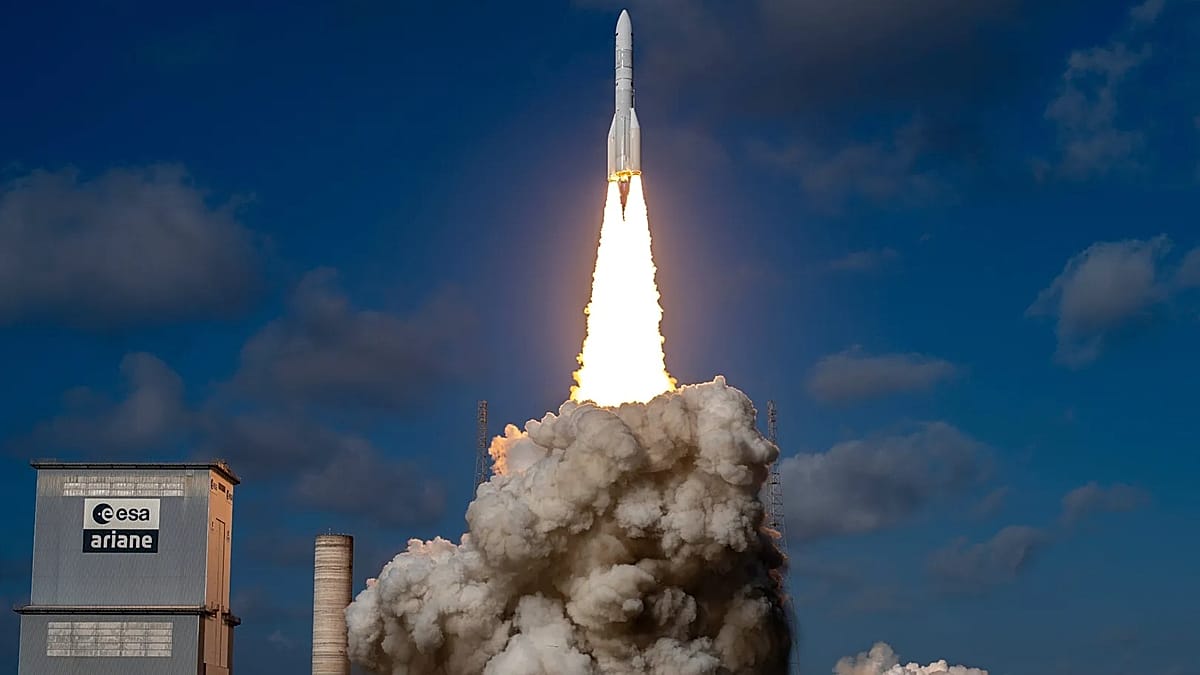
NASA's Nancy Grace Roman Space Telescope soared into orbit Sunday aboard a SpaceX Falcon Heavy rocket, defying budget cuts and beating its deadline by nine months. This is the kind of win that reminds us what happens when we refuse to give up on bold dreams.
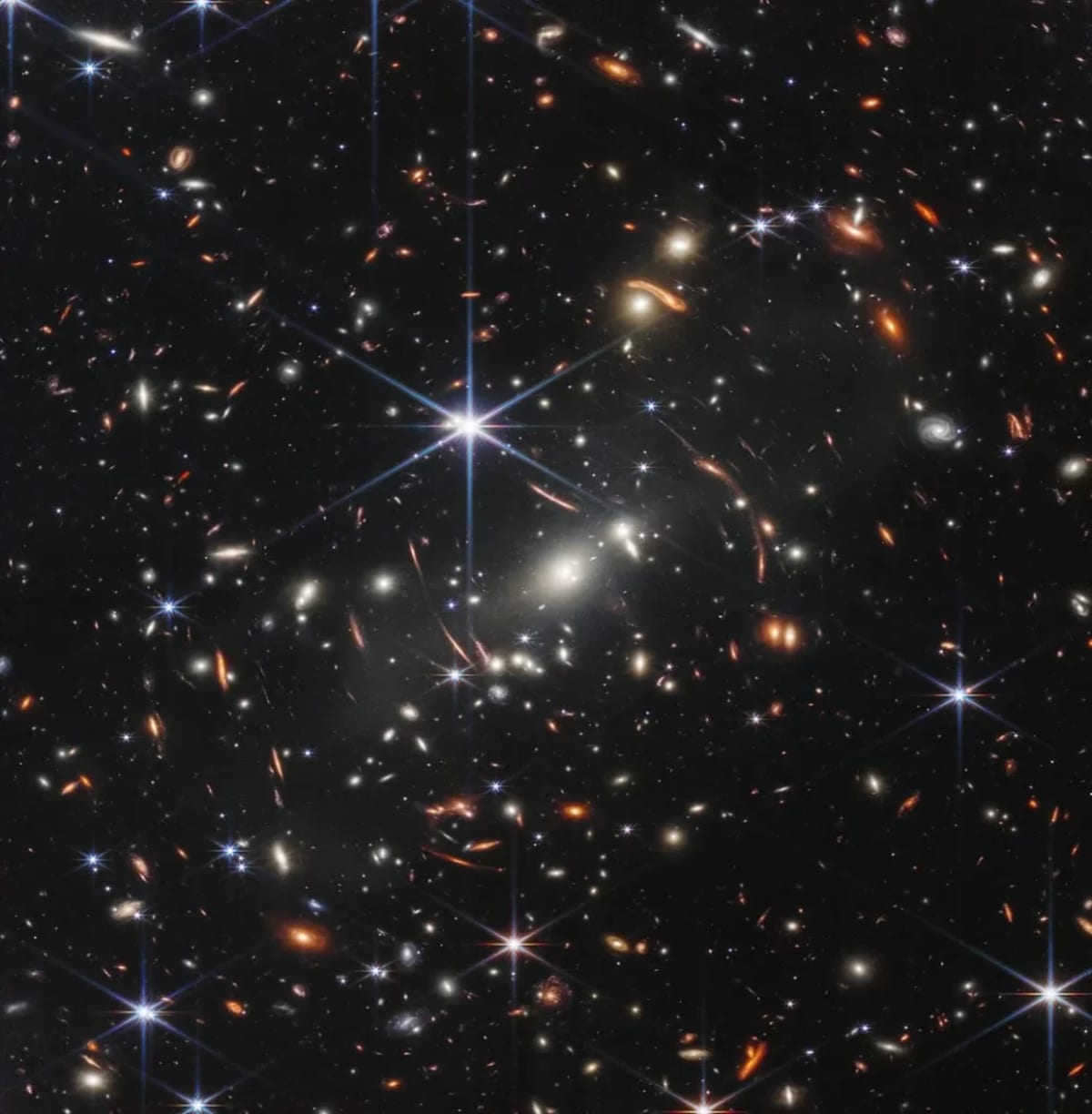
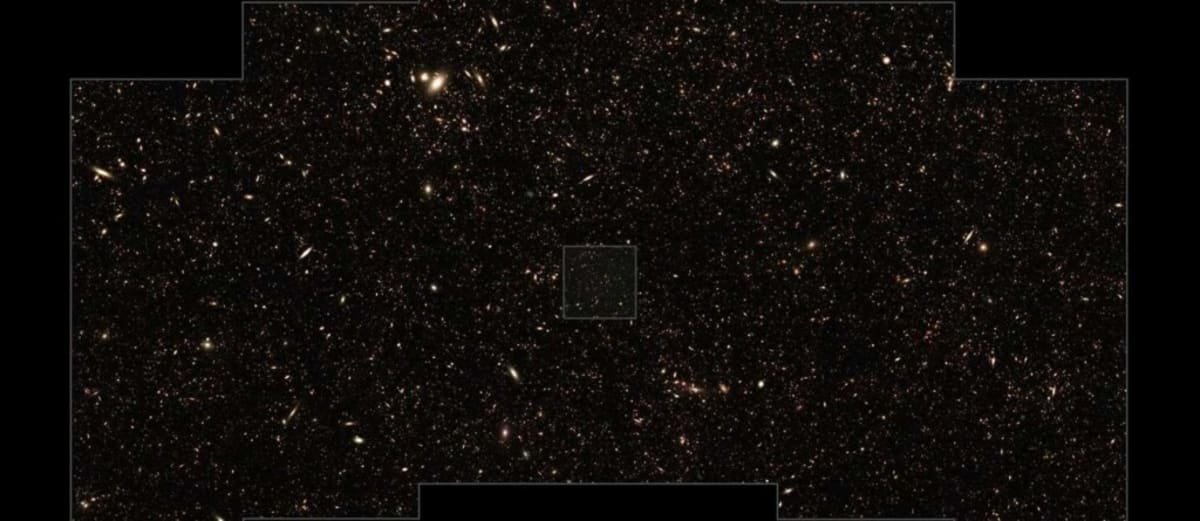
The telescope launched from Cape Canaveral with a mission unlike any before it. While the famous James Webb and Hubble telescopes zoom in on tiny patches of sky for stunning detail, Roman works like a wide-angle camera, capturing enormous swaths of space at once.
NASA Administrator Jared Isaacman told reporters he has no doubt Roman will become a household name alongside Webb and Hubble. The telescope survived budget cut attempts in two different administrations, proving that some projects are simply too important to abandon.
Roman's superpower is speed and scale. It could survey our entire Milky Way galaxy in about one month, a task that would take Hubble a century to complete.
The telescope will spend its five to ten year mission hunting the universe's most mysterious forces: dark matter and dark energy. These invisible substances make up roughly 95% of everything in existence, yet scientists barely understand them.
Dark matter pulls galaxies together like cosmic glue. Dark energy does the opposite, pushing everything apart and making the universe expand faster and faster.
By mapping where galaxies were billions of years ago and comparing those positions to today, Roman will help scientists understand which force is winning. The answer could reveal whether our universe will keep expanding forever or eventually slow down.
Why This Inspires
Roman carries a first-of-its-kind coronagraph instrument that will make it the ultimate planet finder. While Webb can study exoplanet atmospheres in incredible detail, Roman will discover thousands of new worlds for future telescopes to explore.
The telescope honors Nancy Grace Roman, an American astronomy pioneer who championed the idea of space-based observatories. Her vision literally changed how we see the universe.
Julie McEnery, the telescope's senior project scientist, captured the moment perfectly at the post-launch news conference. "It feels like I'm on the edge of a precipice, and we're just about to set a foot off into the unknown," she said.
In a world that often feels stuck, Roman proves we're still pushing forward into uncharted territory.
More Images

Based on reporting by Google: James Webb telescope
This story was written by BrightWire based on verified news reports.
Spread the positivity!
Share this good news with someone who needs it