NASA's Roman Space Telescope Launches 9 Months Early
Despite budget cuts and political headwinds, NASA's newest space telescope launched ahead of schedule on Sunday, ready to unlock the universe's biggest mysteries. The Nancy Grace Roman Space Telescope survived two attempts to slash its funding and now joins NASA's elite team of cosmic explorers.
A telescope that refused to quit just blasted into orbit nine months ahead of schedule, bringing humanity closer to solving one of science's greatest puzzles.
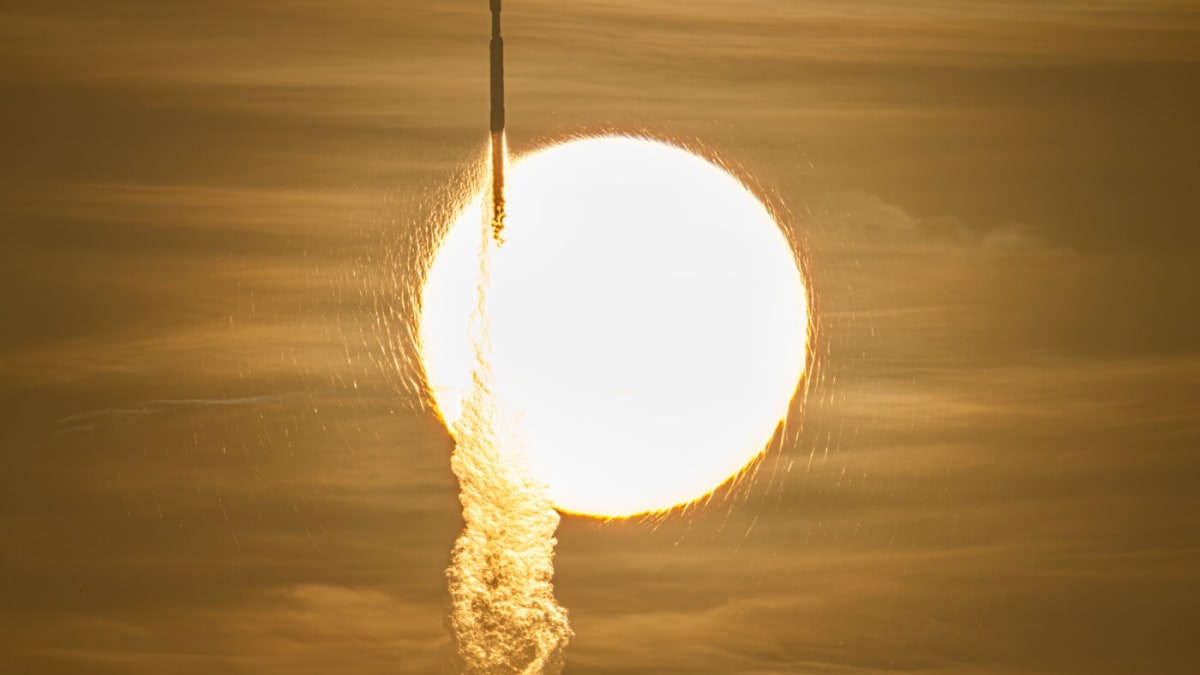
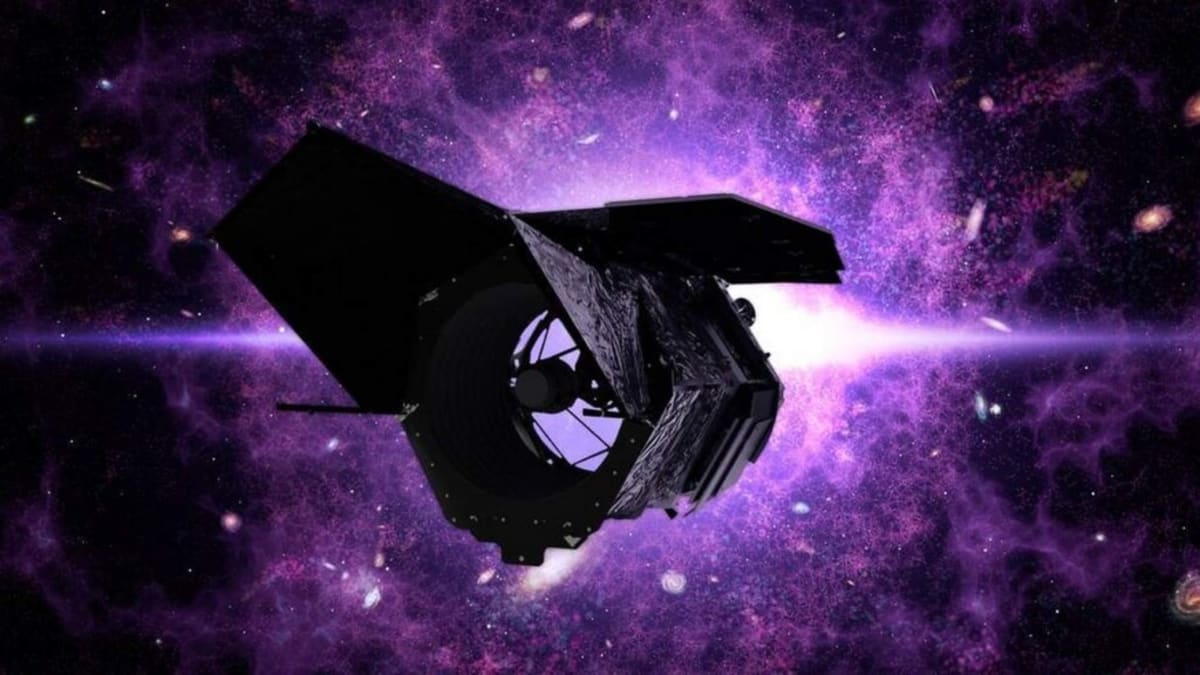
The Nancy Grace Roman Space Telescope launched Sunday aboard a SpaceX Falcon Heavy rocket from Cape Canaveral, beginning a mission that could finally explain what makes up 95% of our universe. NASA Administrator Jared Isaacman told reporters he has no doubt Roman will become a household name alongside Webb and Hubble.
The telescope's journey to space wasn't easy. Both Trump administrations tried to cut its budget in half, but the scientific community rallied to keep the project alive. Now it's racing ahead of its original timeline, ready to revolutionize how we explore space.
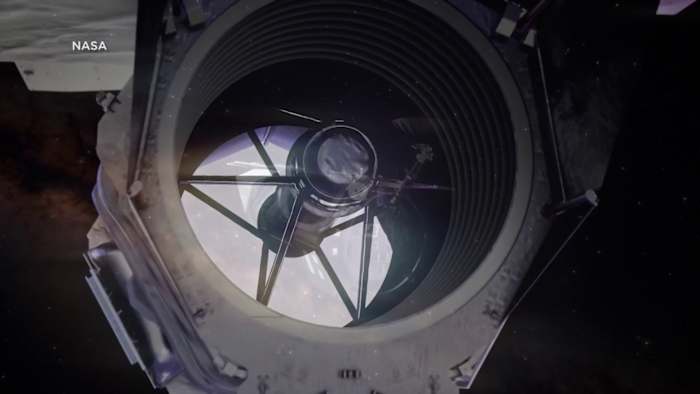
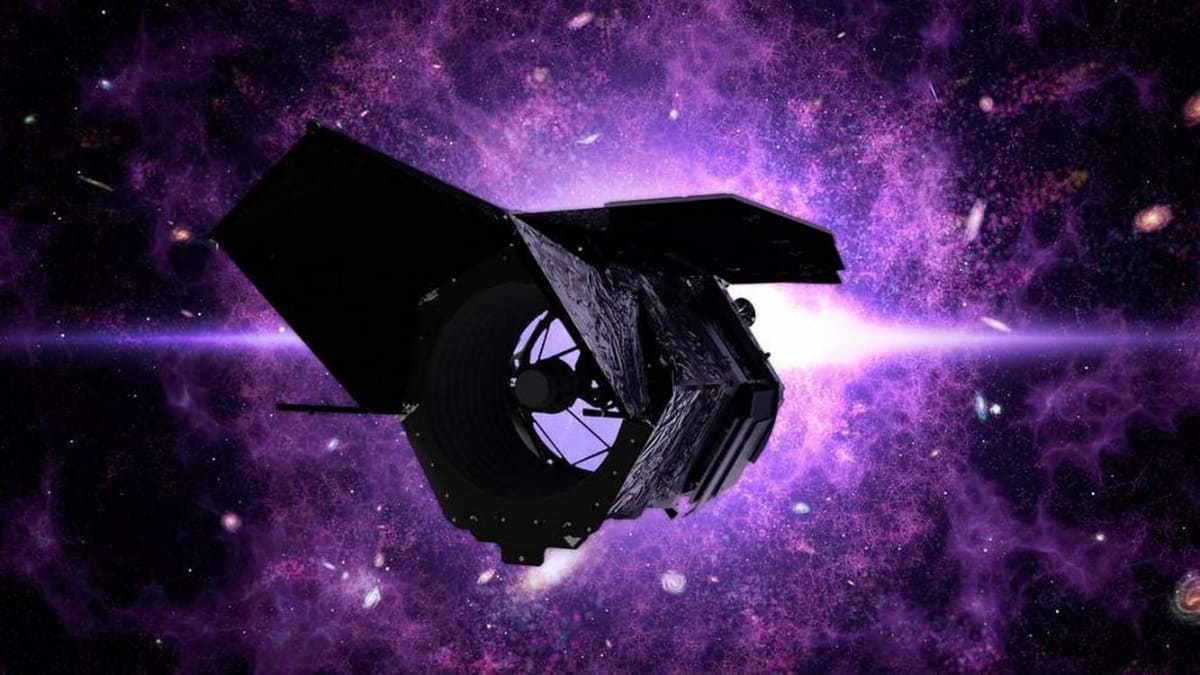
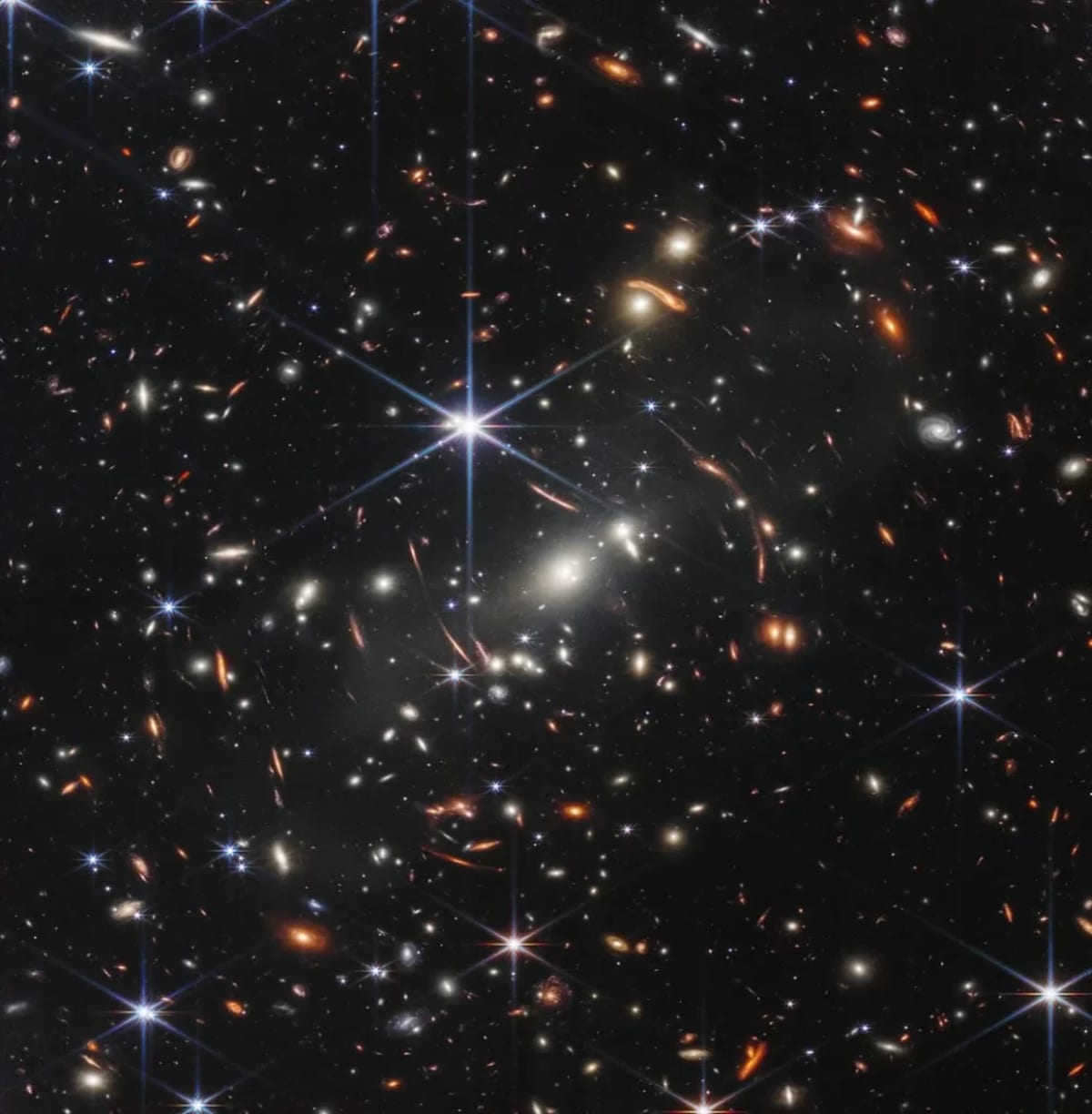
Named after American astronomy pioneer Nancy Grace Roman, this observatory brings unique superpowers to NASA's telescope family. While James Webb peers at the universe's earliest moments and Hubble dazzles us with stunning nebula photos, Roman will hunt for something invisible but enormous: dark matter and dark energy.
These mysterious forces make up about 95% of everything in the universe. Dark matter pulls galaxies together like cosmic glue, while dark energy pushes them apart like an invisible hand. Scientists need to understand both to predict the ultimate fate of our universe.
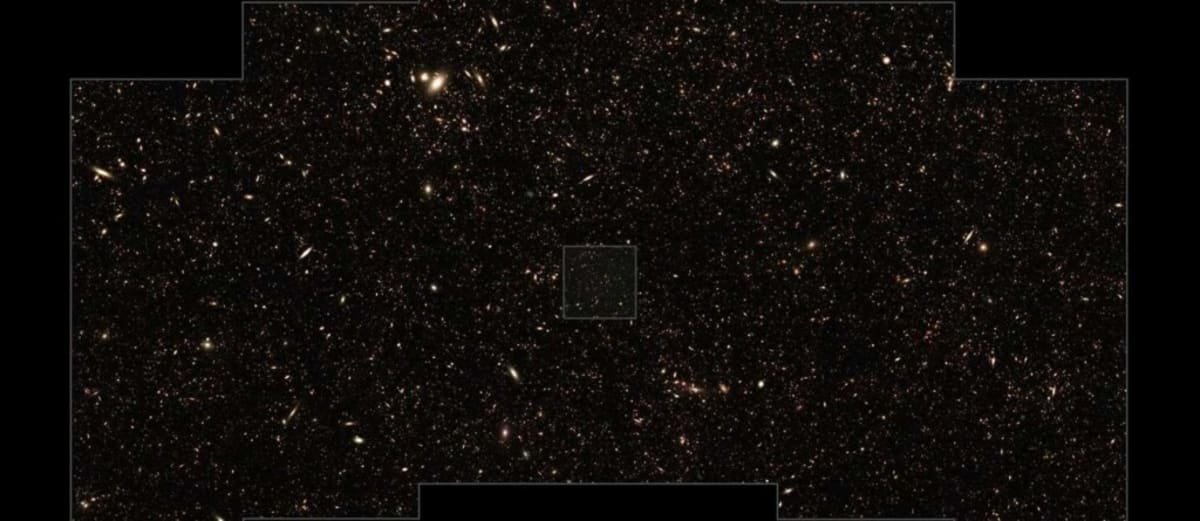
Roman's secret weapon is speed combined with a wide field of view. It could survey the entire Milky Way galaxy in about a month, a task that would take Hubble a century. This lightning-fast mapping will let astronomers track how galaxies move over billions of years, revealing the invisible forces shaping them.
The telescope also carries a groundbreaking tool called an active coronagraph that will make it the ultimate planet hunter. While Webb can study exoplanet atmospheres in detail, Roman will excel at finding new worlds in the first place.
The Ripple Effect
Roman's rapid surveys will create the largest cosmic maps ever made, freely available to researchers worldwide. These datasets will fuel discoveries for decades, helping scientists answer whether dark energy will eventually tear the universe apart or if dark matter's gravity will slow everything down.
Julie McEnery, the telescope's senior project scientist, captured the moment perfectly at the post-launch news conference: "It feels like I'm on the edge of a precipice, and we're just about to set a foot off into the unknown."
The telescope has a mission life of five to ten years depending on fuel, but its impact on science will last far longer.
Sometimes the best discoveries come from the projects that refuse to give up.
More Images

Based on reporting by Good News Network
This story was written by BrightWire based on verified news reports.
Spread the positivity!
Share this good news with someone who needs it