NASA's Roman Space Telescope Launches Successfully
A new space observatory launched Sunday morning from Florida, marking the next giant leap in humanity's quest to understand the universe. The Nancy Grace Roman Space Telescope rode a Falcon Heavy rocket into orbit, joining the legendary Hubble and James Webb telescopes in exploring the cosmos.
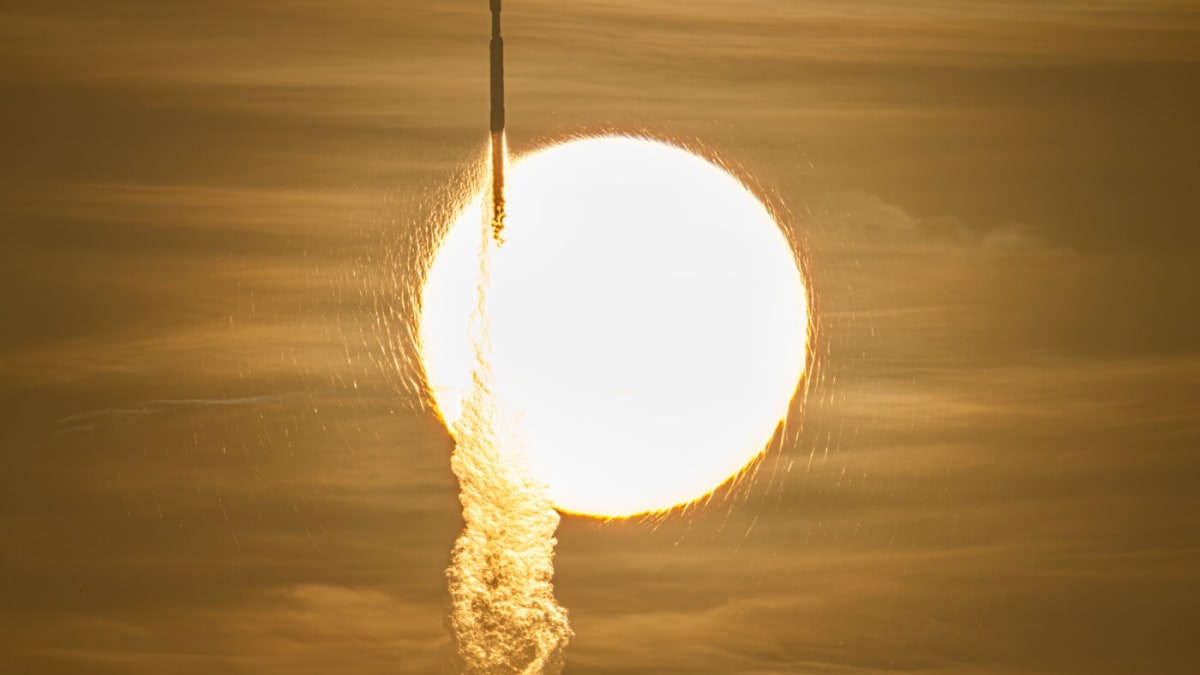
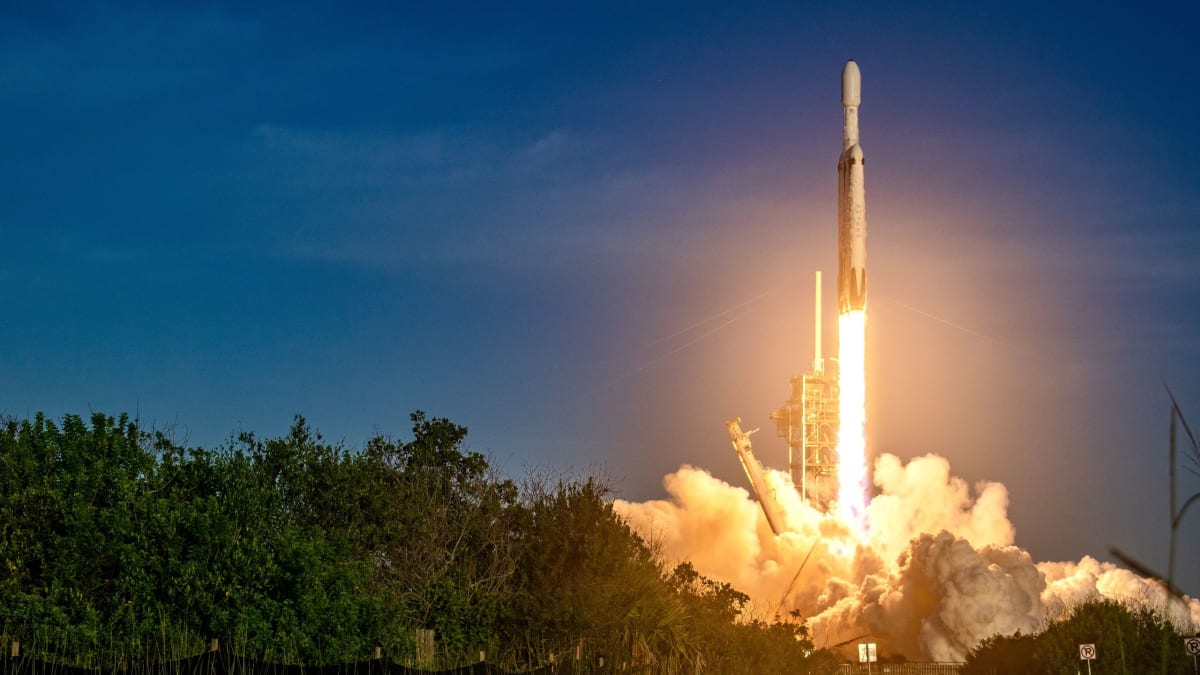
A new era of cosmic discovery began Sunday morning when NASA's Nancy Grace Roman Space Telescope roared into space from Kennedy Space Center.
The observatory lifted off at 7:26 a.m. aboard a Falcon Heavy rocket, beginning its mission to unlock some of the universe's greatest mysteries. Named after NASA's first chief astronomer, the Roman telescope represents decades of scientific ambition coming to life.
The Roman telescope joins an elite family of space observatories that includes the iconic Hubble Space Telescope and the groundbreaking James Webb Space Telescope. Together, these three instruments give scientists unprecedented tools to study everything from distant galaxies to planets orbiting other stars.
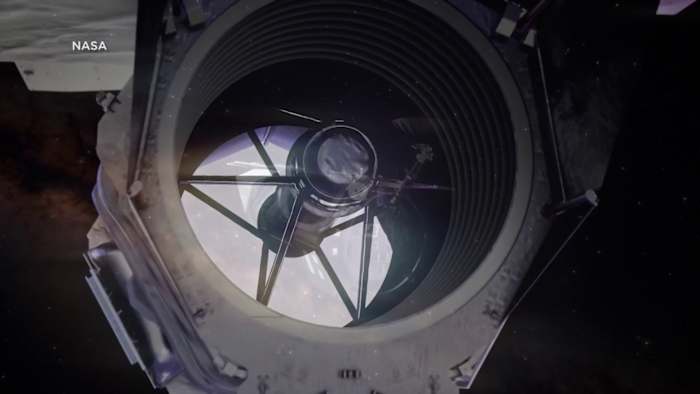
What makes Roman special is its incredibly wide field of view. While Webb peers deeply at tiny patches of sky, Roman can photograph areas 100 times larger in a single image. That means it can survey vast regions of space in a fraction of the time, like upgrading from looking through a keyhole to gazing through a picture window.
Scientists plan to use Roman to tackle some of astronomy's biggest questions. The telescope will map dark matter across the universe, search for planets that could harbor life, and study the mysterious force called dark energy that's causing the universe to expand faster and faster.
The telescope carries a 2.4-meter mirror, the same size as Hubble's, but with modern technology that makes it far more powerful. It can observe hundreds of millions of galaxies and discover thousands of new planets beyond our solar system.
The Ripple Effect
This successful launch represents more than just another satellite reaching orbit. It's the result of thousands of engineers, scientists, and dreamers working together for years to push the boundaries of human knowledge.
The Roman telescope will spend at least five years gathering data that astronomers worldwide can study. Graduate students just starting their careers today will make discoveries using Roman's observations. Textbooks will be rewritten based on what it reveals.
Young people watching Sunday's launch might feel inspired to pursue careers in science, engineering, or space exploration. The mission shows what's possible when we invest in understanding our universe rather than just looking inward.
Perhaps most importantly, Roman reminds us that humanity still reaches for the stars. In a world that sometimes feels small and divided, we're still capable of building magnificent tools to answer profound questions about our place in the cosmos.
The universe just got a little less mysterious, and our future a little brighter.
More Images




Based on reporting by Google: James Webb telescope
This story was written by BrightWire based on verified news reports.
Spread the positivity!
Share this good news with someone who needs it