NASA's Roman Space Telescope Launches Ahead of Schedule
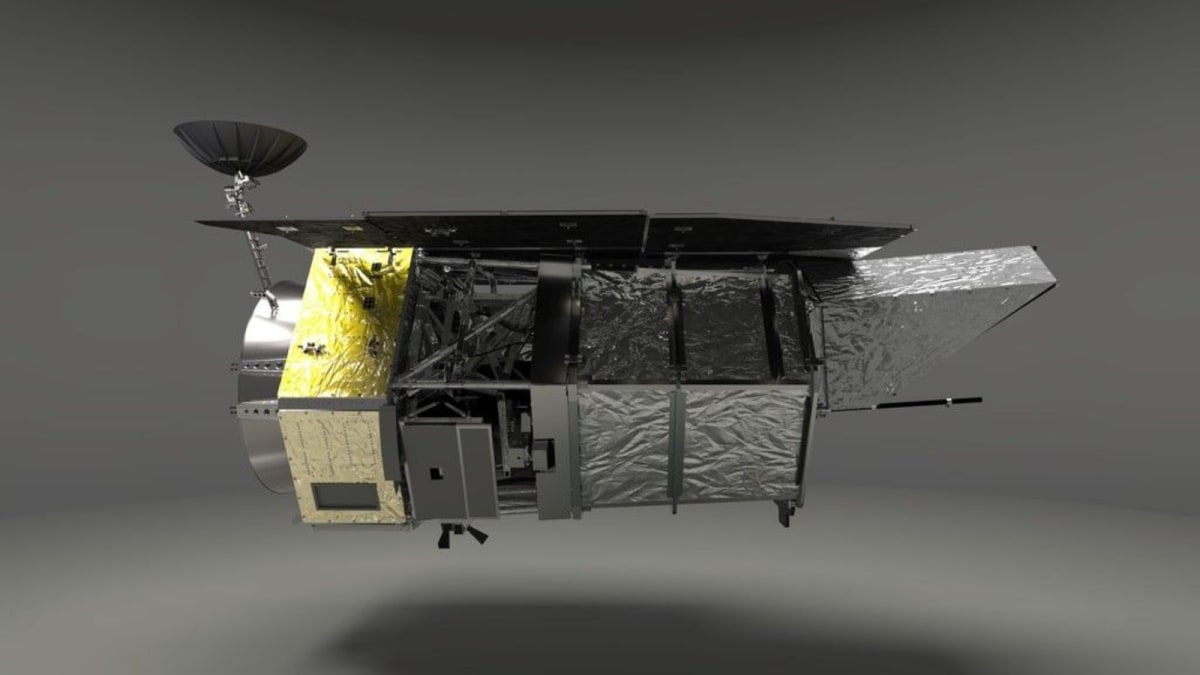
The Nancy Grace Roman Space Telescope lifted off flawlessly on a sunny Florida morning, beginning a mission to answer some of the universe's biggest mysteries. The $4 billion telescope launched under budget and ahead of schedule, defying expectations for major space missions.
A new space telescope just launched into a perfect blue sky with the power to revolutionize how we see the universe, and it did so early and under budget.
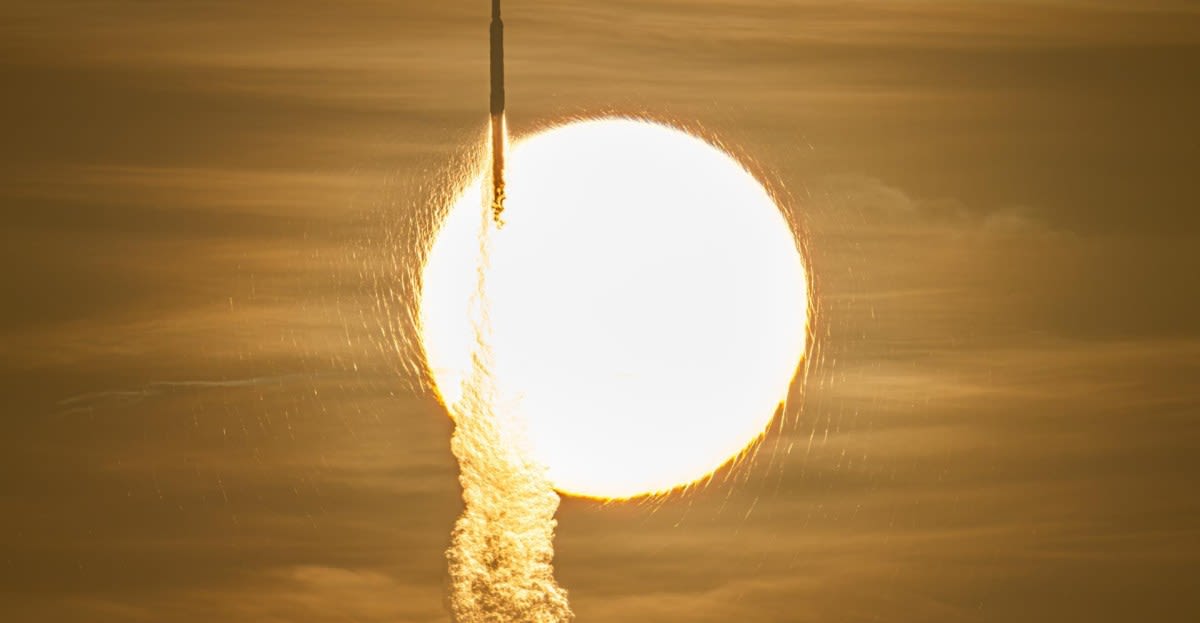
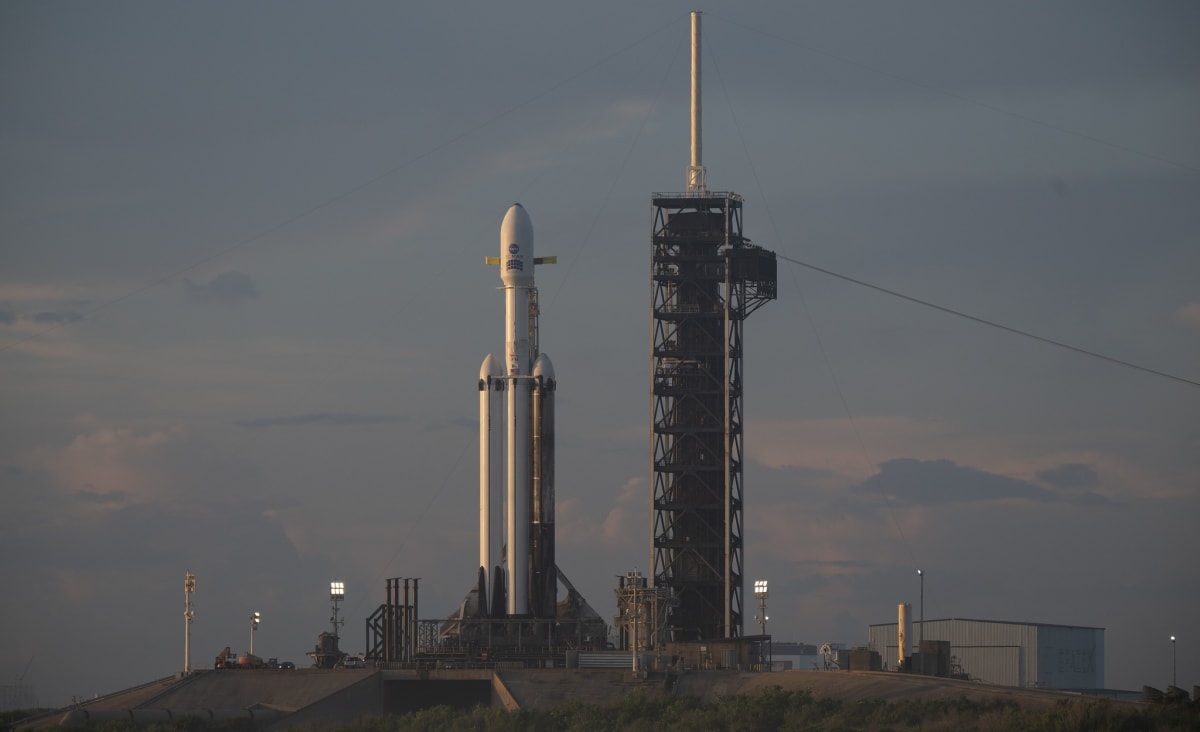
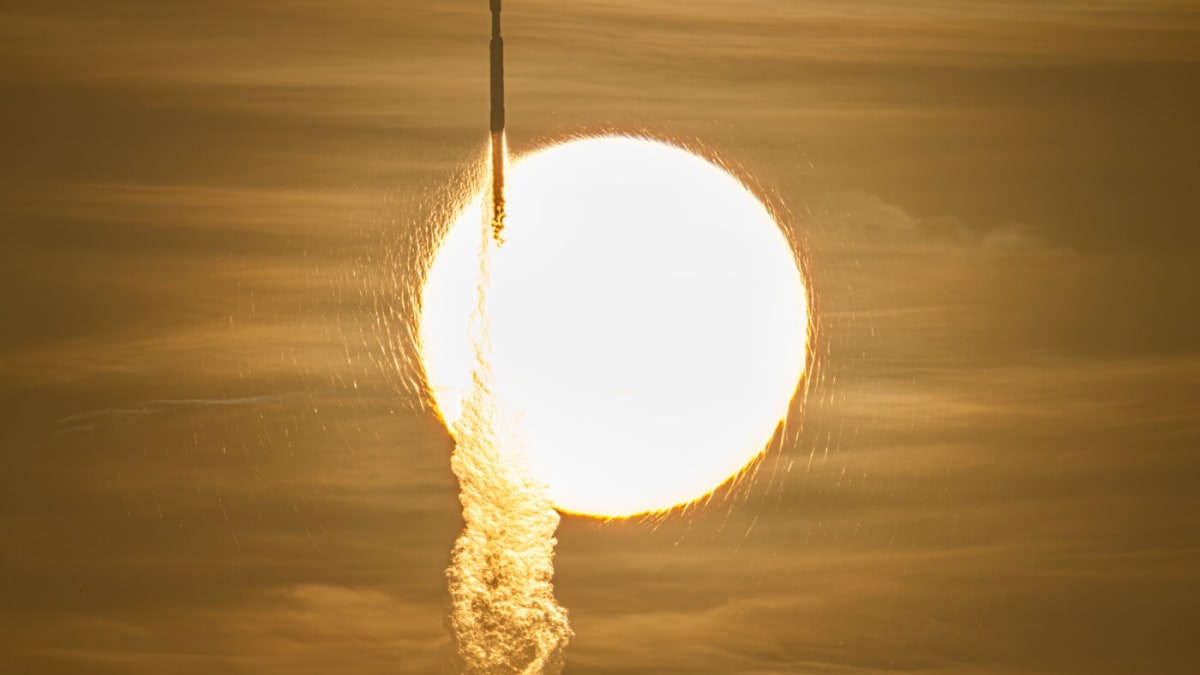
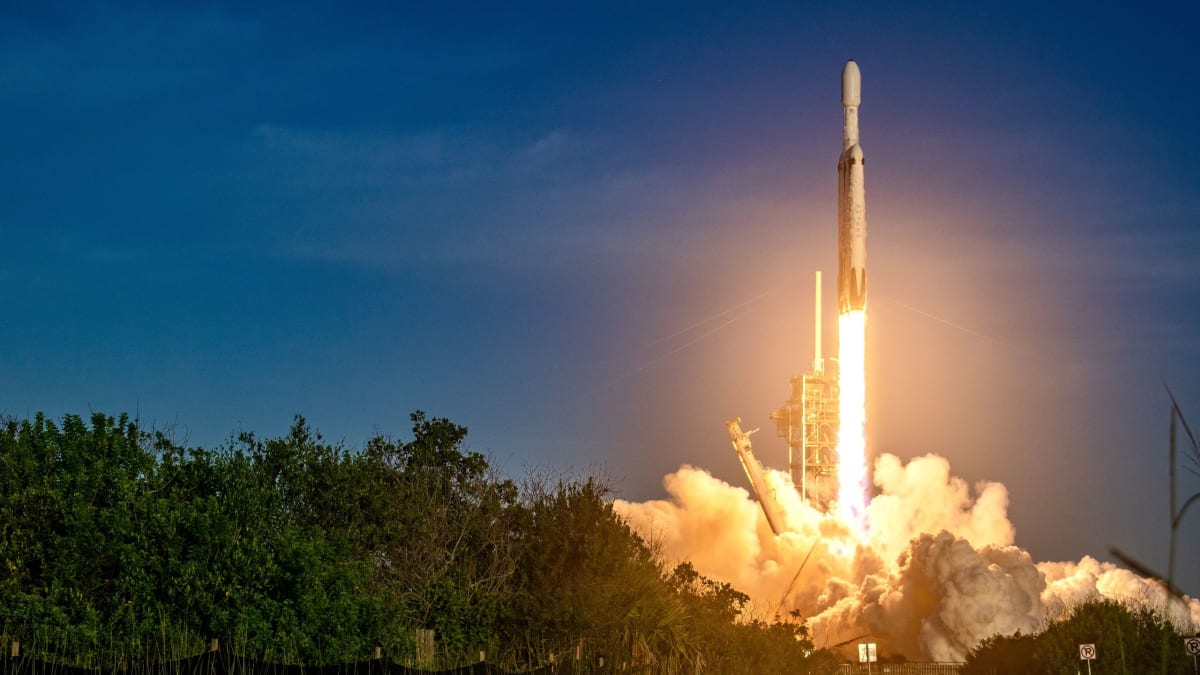
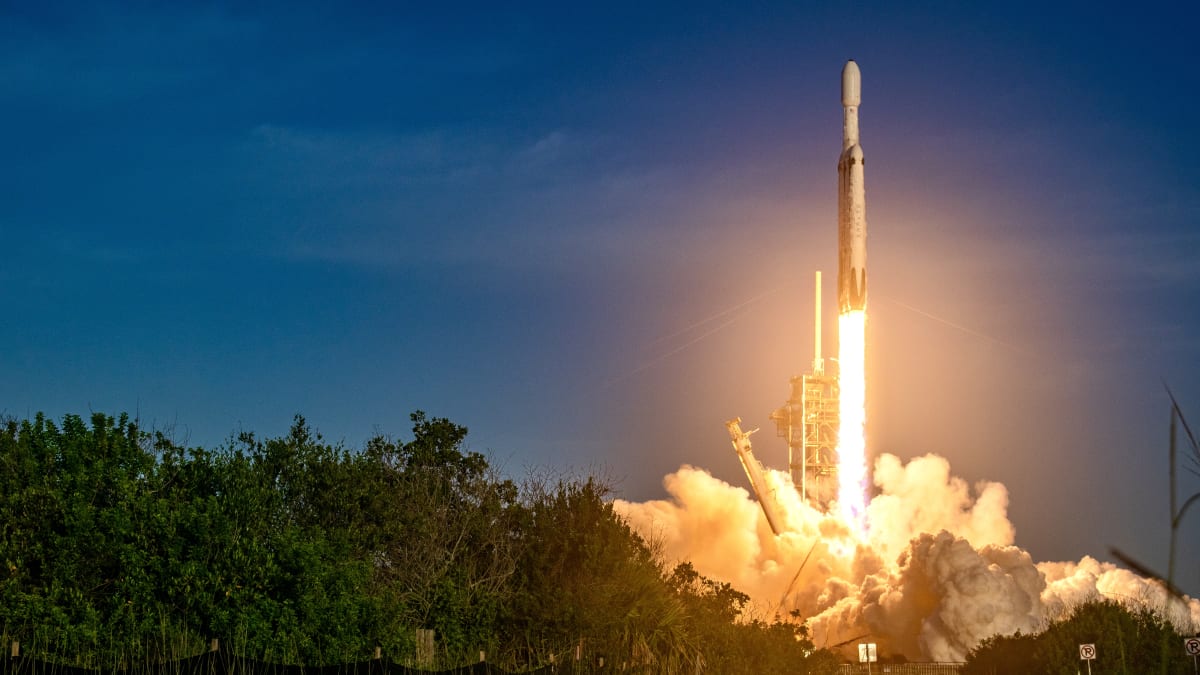
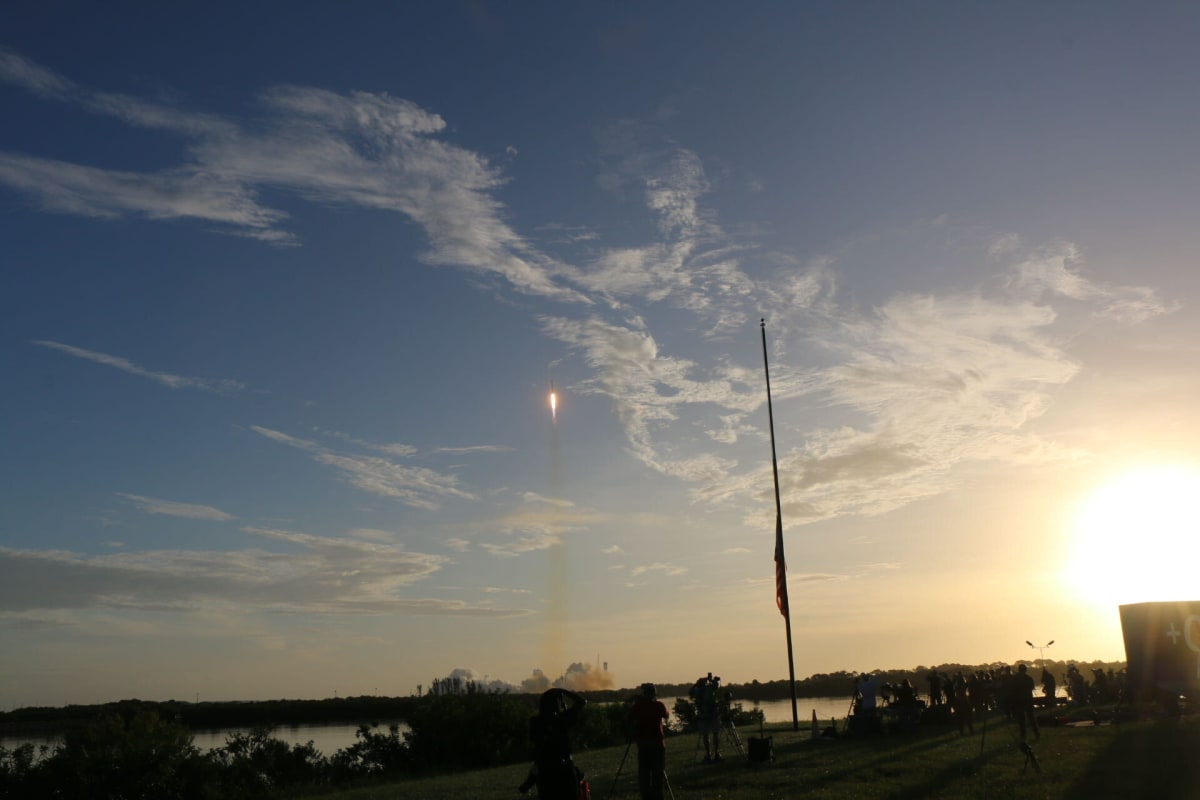
The Nancy Grace Roman Space Telescope lifted off from Cape Canaveral, Florida on August 30 aboard a SpaceX Falcon Heavy rocket. The 7:26 a.m. launch was picture perfect, with all deployments going exactly as planned.
"What a glorious dawn launch," said Jackie Townsend, the telescope's project manager. "The ride was magnificent. It put us right where we wanted to be."
Roman is now headed to a spot nearly 1 million miles from Earth called Lagrange Point 2. This gravitationally stable location keeps spacecraft safe from heat while offering an incredible view of space. The James Webb Space Telescope already calls this cosmic neighborhood home.
The telescope's arrival marks a major win for efficient space exploration. Roman was completed under budget and ahead of schedule, rare achievements for missions of this scale. While the project cost about $4 billion over a decade of development, that's less than half what Webb cost. Even Florida's notoriously unpredictable weather cooperated.
Roman carries two groundbreaking instruments that will tackle some of science's biggest questions. Its Wide Field Instrument can photograph enormous sections of space in single images. One scientist explained that you'd need over half a million 4K TVs to display Roman's largest survey images in full.
This wide view means Roman can catch fleeting cosmic events like supernovas and fast radio bursts that other telescopes might miss. The Hubble Space Telescope generated about 400 terabytes of data across 35 years of service. Roman will generate 500 terabytes every single year.
The telescope will help scientists understand dark matter and dark energy while investigating why the universe expands the way it does. It might even solve the puzzling "Hubble tension" that has stumped astronomers for decades.
Why This Inspires
Roman's coronagraph instrument represents another leap forward. As the first active coronagraph flown in space, it can adjust itself to block out starlight and reveal planets orbiting distant stars. Think of it as creating an artificial solar eclipse in space, allowing giant exoplanets to come into focus.
NASA Administrator Jared Isaacman believes Roman will join the ranks of legendary space instruments. "I have no doubt that Roman will become a household name alongside those great instruments of discovery," he said during the post-launch press conference.
The telescope will spend 90 days getting to its destination and preparing for operations. Then it will begin beaming back images and data that could change our understanding of the cosmos.
A decade of careful work just launched into space on time, under budget, and ready to show us wonders we've never seen before.
More Images
Based on reporting by Space.com
This story was written by BrightWire based on verified news reports.
Spread the positivity!
Share this good news with someone who needs it