NASA Launches Roman Telescope to Solve Universe Mysteries
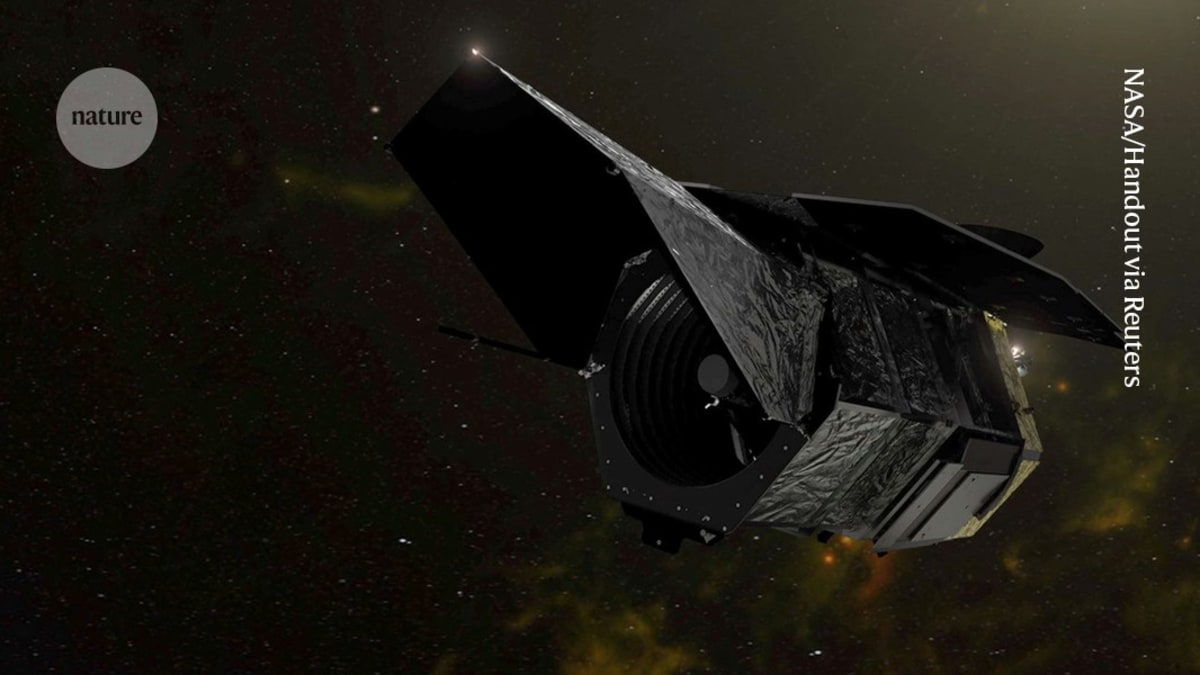
A new space telescope the size of a tour bus just launched from Florida on a mission to unlock some of the universe's biggest secrets. The Nancy Grace Roman Space Telescope will study dark matter, dark energy, and search for over 100,000 planets beyond our solar system.
NASA just sent a telescope on a million-mile journey that could fundamentally change how we understand the universe, and early signs show everything is going perfectly.
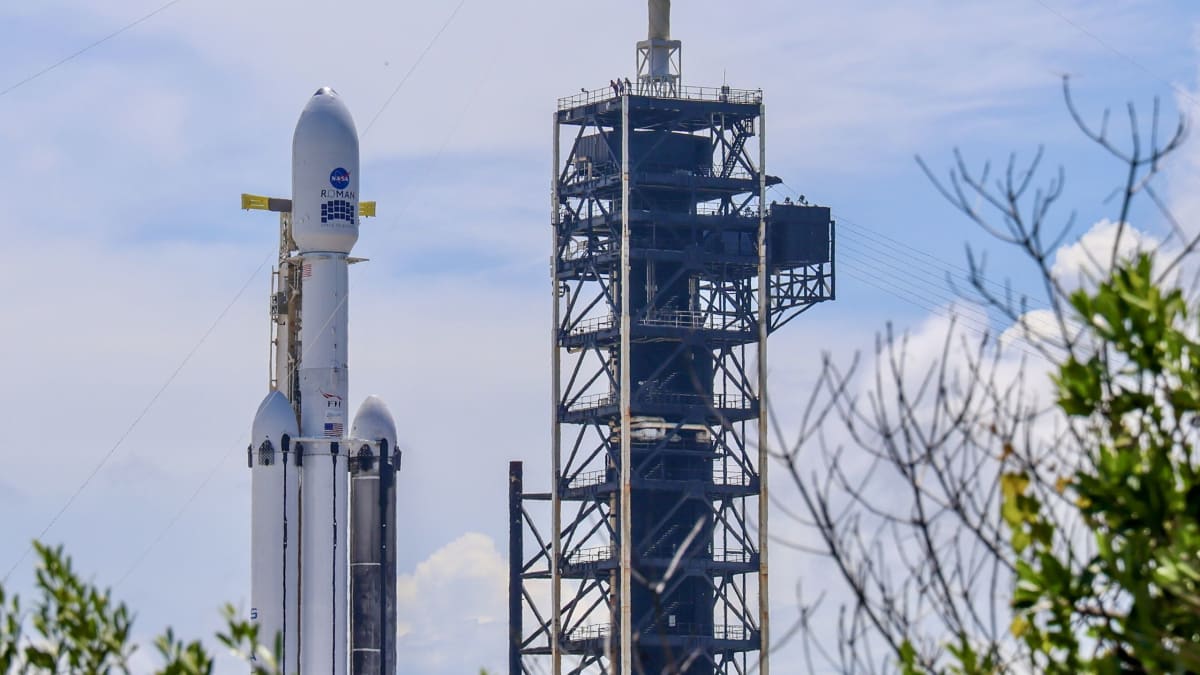
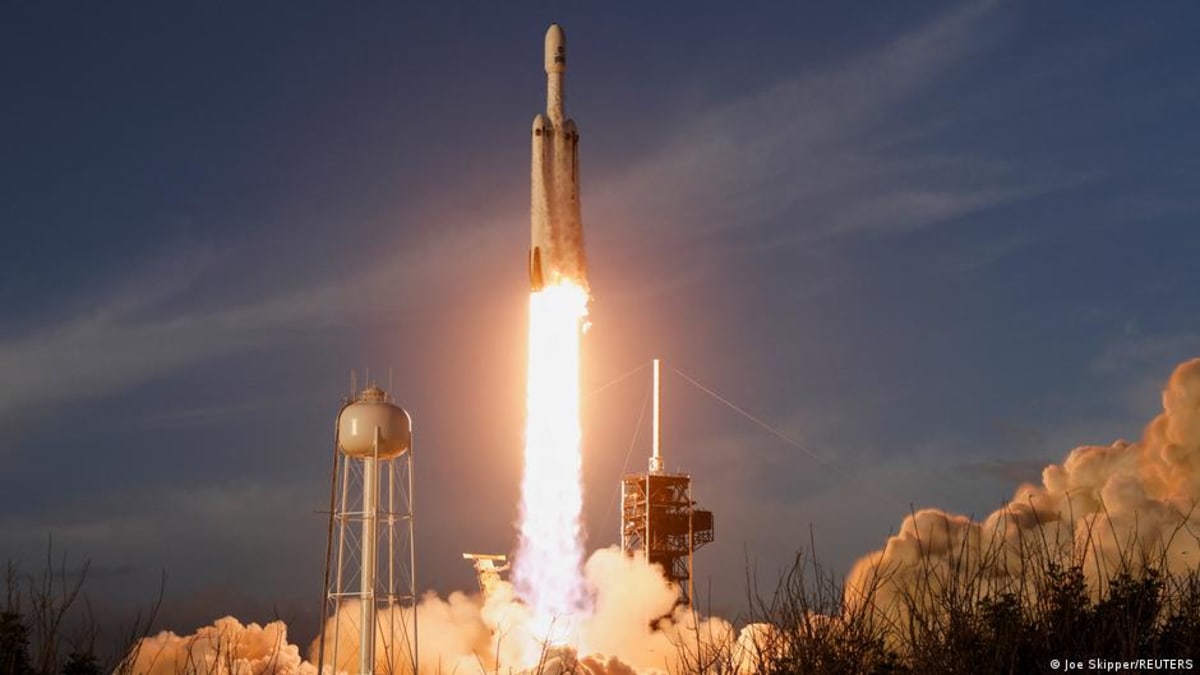
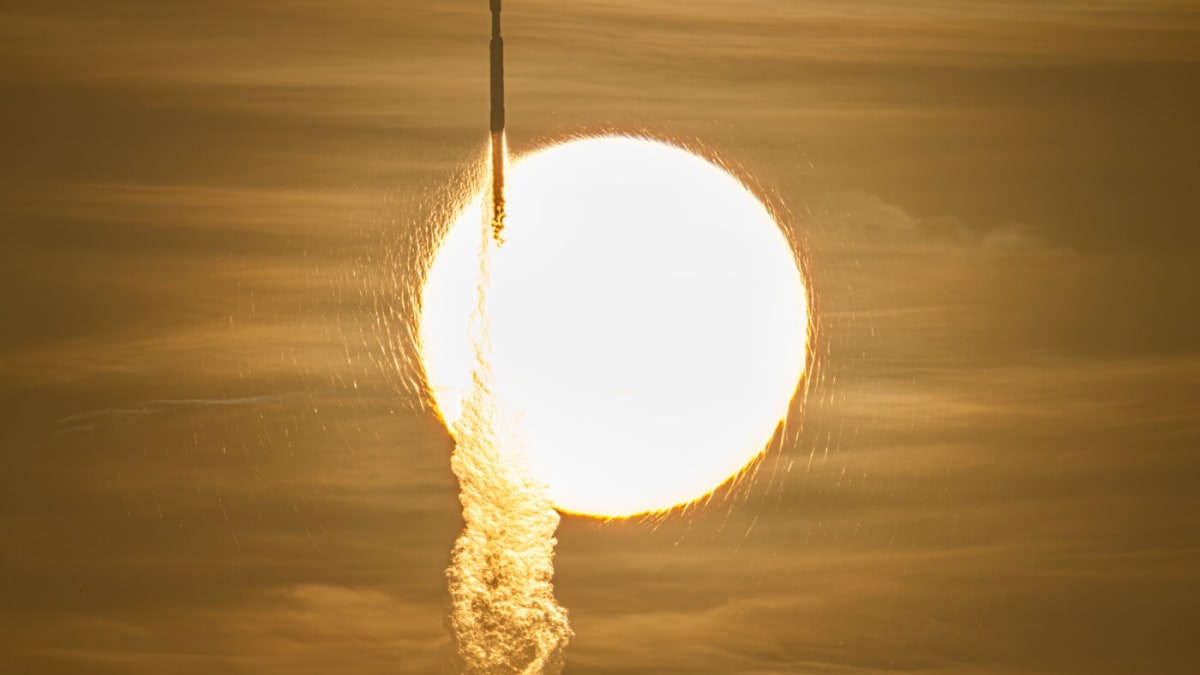
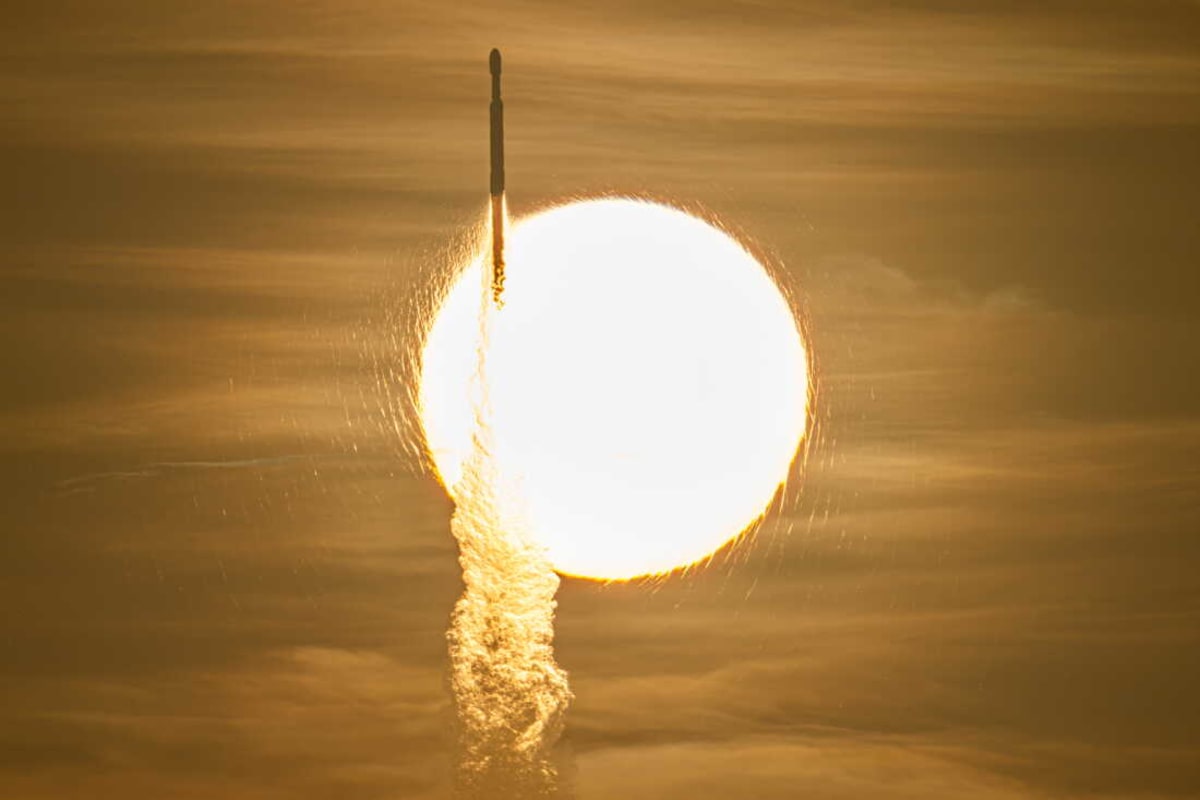
The Nancy Grace Roman Space Telescope lifted off at dawn on Sunday from Kennedy Space Center in Florida, riding a SpaceX Falcon Heavy rocket into the sky. Minutes after the 18,000-pound spacecraft separated from its rocket, solar panels deployed and systems came online exactly as planned.
"What a glorious dawn launch," said Jackie Townsend, the telescope's project manager. "The ride was magnificent. It put us right where we wanted to be."
The telescope has an unusual backstory that makes this launch even more special. Originally designed as a spy satellite for the National Reconnaissance Office, the spacecraft was donated to NASA instead, giving scientists an unexpected gift that will help answer some of humanity's biggest questions.
Named after Nancy Grace Roman, NASA's first chief astronomer and the Mother of Hubble, this new telescope packs serious power. It matches Hubble's sharpness but can see 100 times more sky at once, like comparing a keyhole view to a picture window.
Over the next three months, Roman will travel to a special spot about a million miles from Earth called L2. At this location, the gravitational pulls of Earth and Sun balance perfectly, letting the telescope orbit steadily while using minimal fuel.
The Ripple Effect
The discoveries Roman will make could ripple through our understanding of existence itself. The telescope will hunt for dark matter, the invisible substance that appears to hold galaxies together, by watching how gravity bends light across vast distances.
It will also study dark energy, the mysterious force driving the universe to expand faster and faster. By finding and cataloging thousands of exploding stars called supernovas, scientists hope to crack the code on how this force actually works.
But Roman's mission isn't just about abstract cosmic forces. The telescope will identify more than 100,000 planets orbiting distant stars, a discovery that brings us closer to answering whether we're alone in the universe.
"One of our main goals at NASA is answering the question: Are we alone in the universe," said Nicky Fox, NASA's associate administrator for science. Roman carries technology that can block out starlight to photograph planets directly and study their atmospheres for signs they could support life.
The telescope team will spend the journey to L2 calibrating instruments and running tests. "It's basically like our time to kick the tires and just make sure that the focus is right, the pointing is right," said Jeremy Perkins, an integration and test scientist on the mission.
Within months, Roman will begin its cosmic treasure hunt, opening new windows into the universe that surrounds us and bringing humanity one step closer to understanding our place in it all.
More Images

Based on reporting by NPR Science
This story was written by BrightWire based on verified news reports.
Spread the positivity!
Share this good news with someone who needs it