NASA Launches Bus-Sized Telescope to Map the Universe
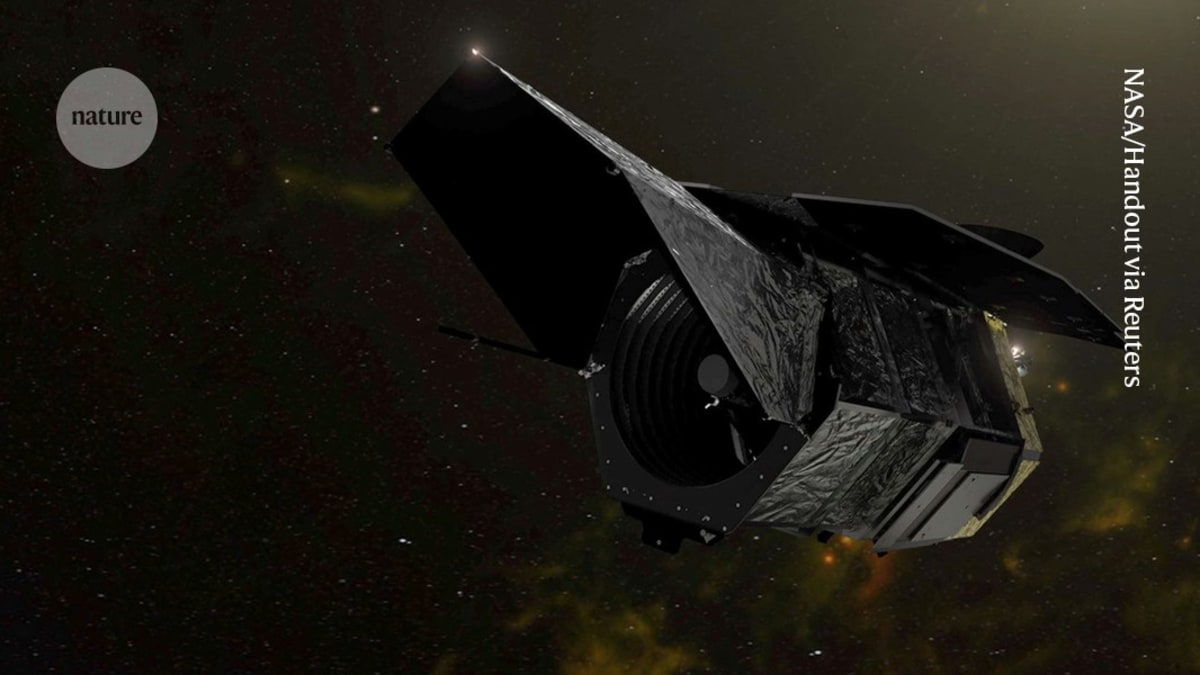
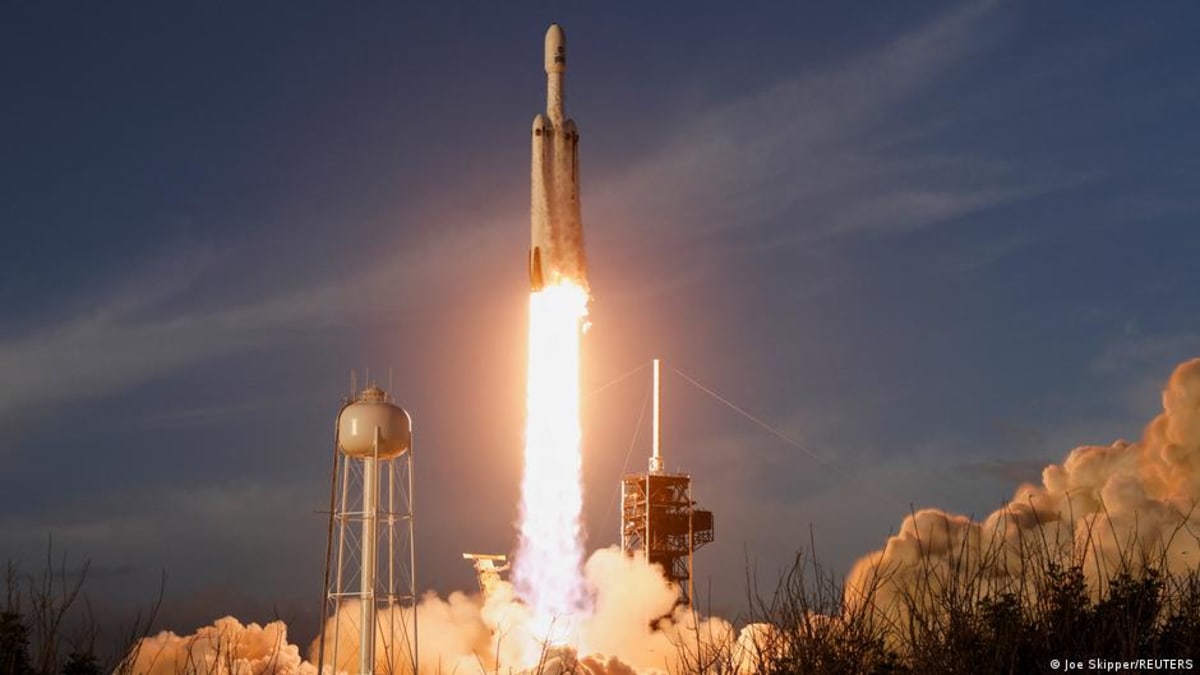
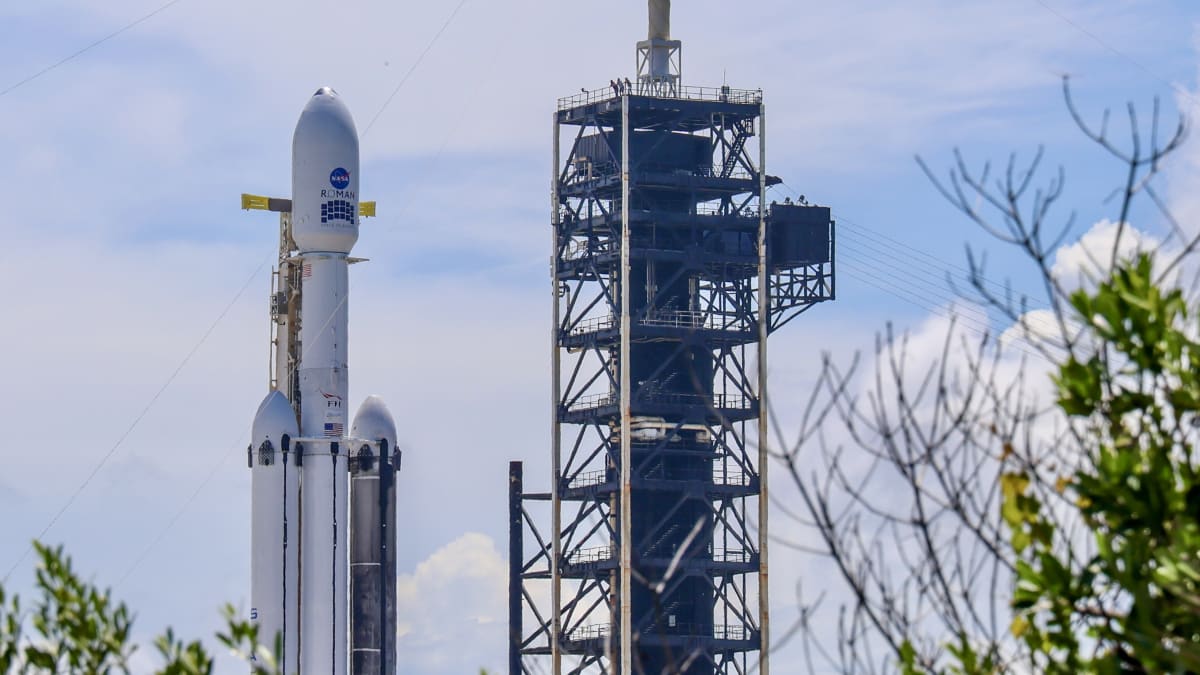
NASA's Nancy Grace Roman Space Telescope launched successfully on a SpaceX Falcon Heavy rocket, beginning a journey to revolutionize our view of the cosmos. The massive observatory will search for distant planets and help answer whether we're alone in the universe.
A telescope the size of a tour bus just blasted off from Florida, and it's about to change how we explore the universe.
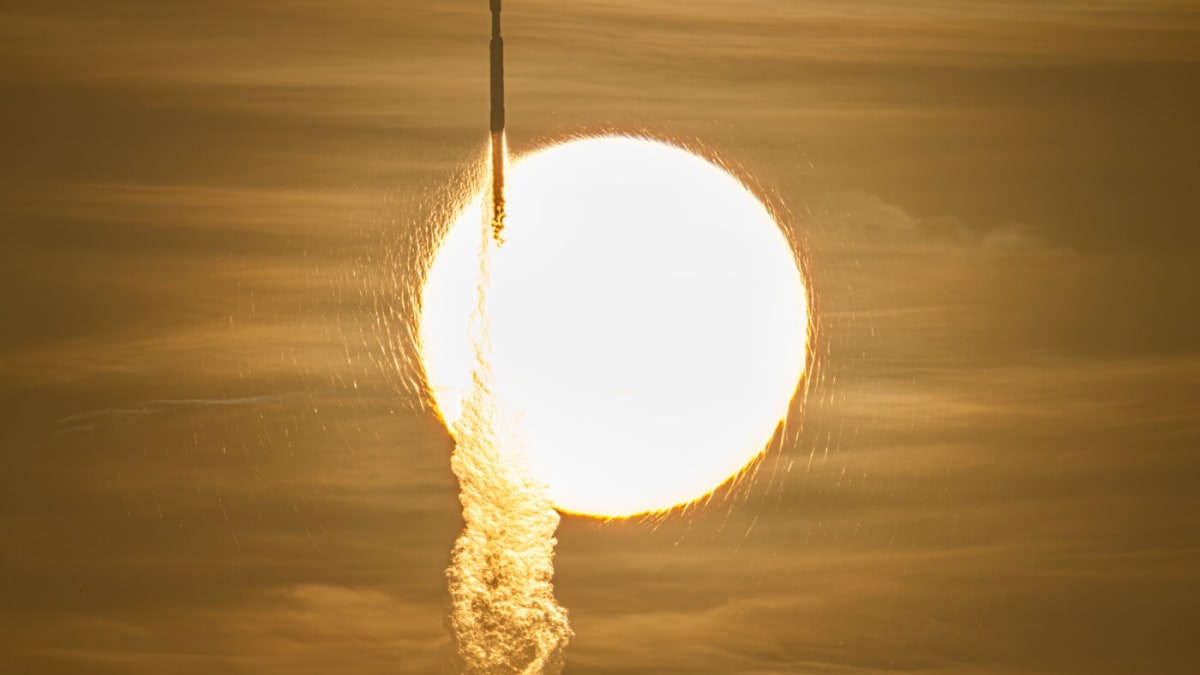
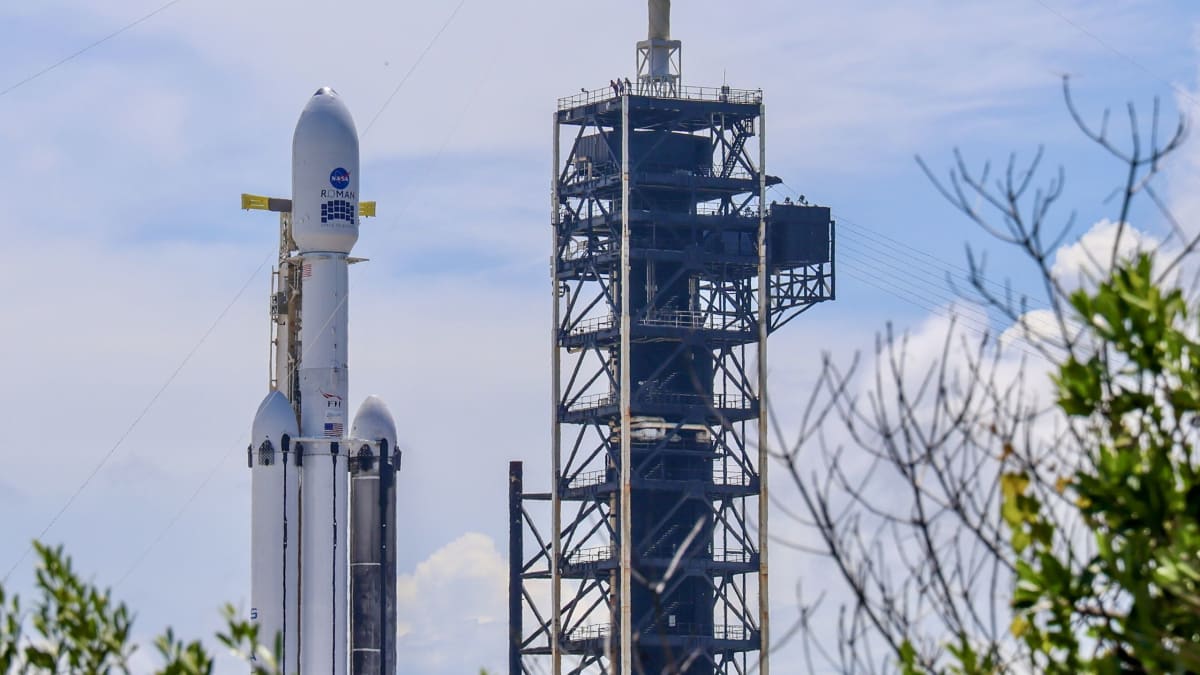
NASA's Nancy Grace Roman Space Telescope lifted off at 7:26 a.m. EDT on August 30 from Kennedy Space Center, riding a SpaceX Falcon Heavy rocket toward its new home nearly 1 million miles from Earth. The spacecraft is now headed to Lagrange Point 2, a gravitationally stable spot that will give it an unobstructed view of deep space.
The launch marks the beginning of an exciting new chapter in astronomy. Unlike the Hubble and James Webb space telescopes, which NASA's Nicky Fox says "peer through a keyhole at the universe," Roman will "kick the door down" with its unprecedented field of view.
Once operational, Roman will capture thousands of images every day, completing sweeping surveys of the entire cosmos. The telescope weighs as much as a T-Rex and carries instruments powerful enough to directly image planets orbiting distant stars, something that's incredibly difficult to do with current technology.
Why This Inspires
This mission represents humanity's boldest effort yet to answer our most profound questions. Roman will help scientists study dark matter and dark energy, the mysterious forces that make up most of our universe but remain poorly understood.
More importantly, the telescope will search for solar systems similar to our own. "Roman's data will help bring us closer than ever to answering humanity's most profound questions," Fox said during the prelaunch briefing, including whether "there are other solar systems like ours" and "are we alone in the universe?"
The spacecraft will spend about three months traveling to its destination while deploying instruments and running calibrations. NASA expects to release the first science images in early 2027, giving the world its first glimpse of what Roman can see.
Project manager Jackie Townsend explained that Roman's position will provide "a wide open view of the sky that really exceeds anything in low Earth orbit like Hubble could achieve." That expanded perspective means discoveries we haven't even imagined yet.
The successful launch came after weather forecasters gave it just a 50% chance of favorable conditions, with offshore clouds threatening delays. A new era of cosmic exploration has begun, and the answers to age-old questions about our place in the universe may be just around the corner.
More Images
Based on reporting by Space.com
This story was written by BrightWire based on verified news reports.
Spread the positivity!
Share this good news with someone who needs it