NASA Launches First Space Telescope Named for a Woman
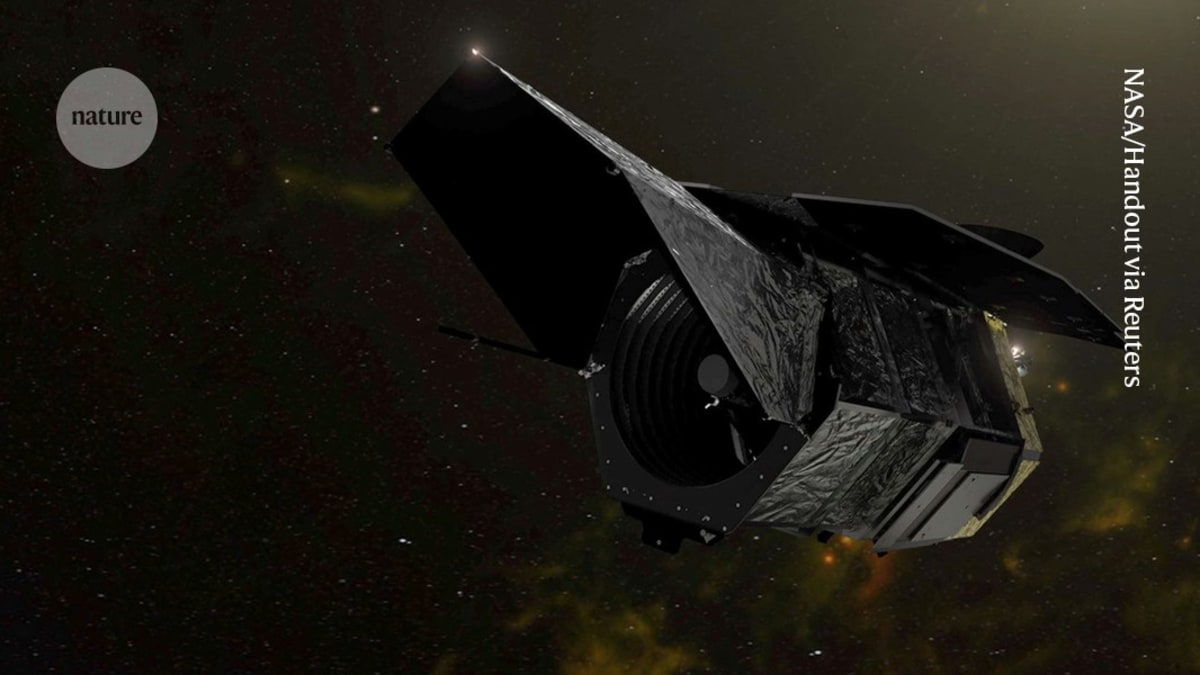
The Nancy Grace Roman Space Telescope launched Sunday, marking NASA's first space telescope named after a woman. The $4 billion observatory will survey the universe 100 times faster than Hubble.
NASA just sent its most powerful survey telescope into space, and it carries the name of a pioneering woman who helped make the agency's space exploration dreams possible.
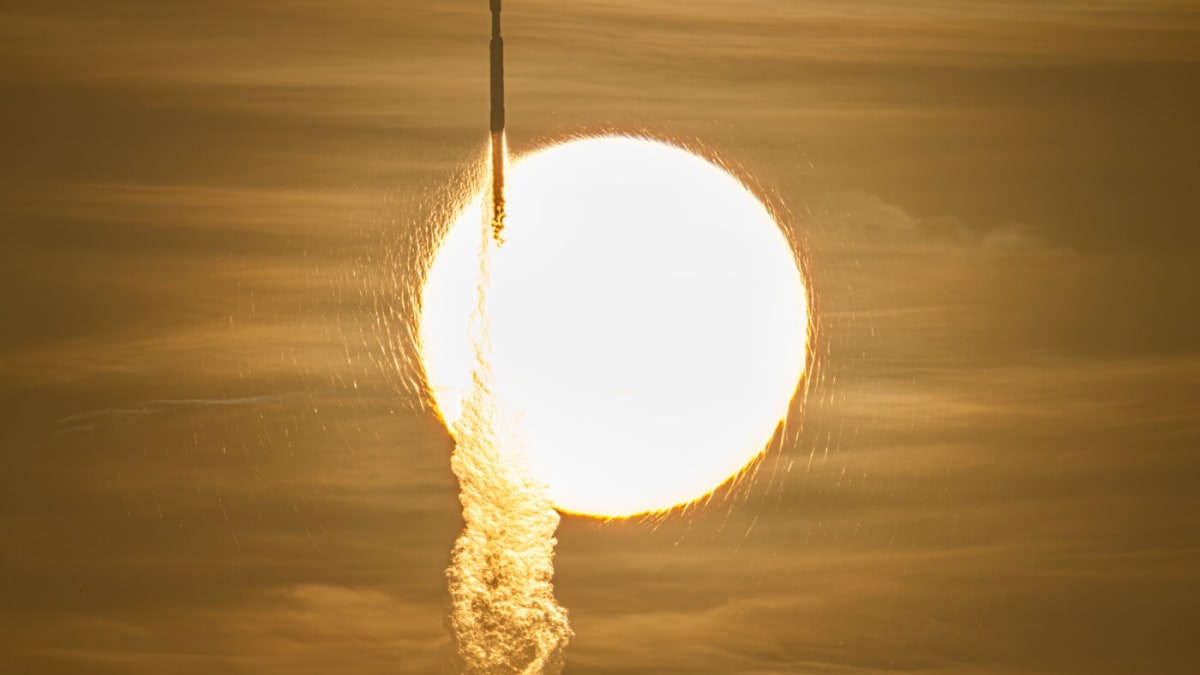
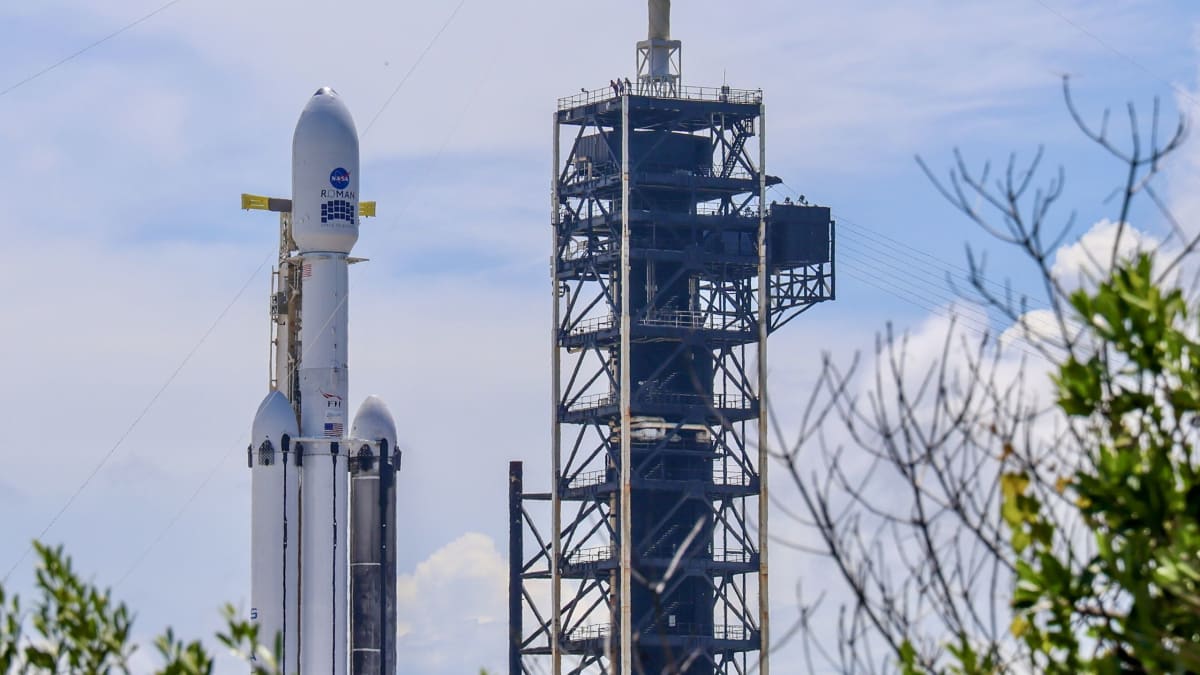
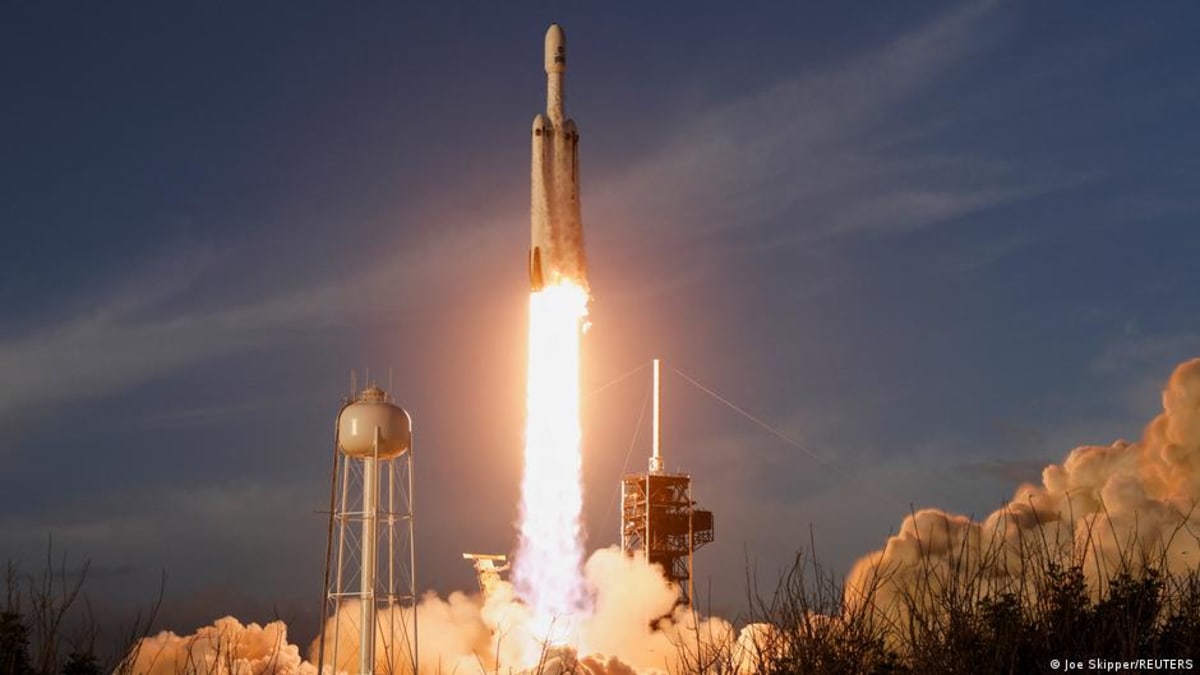
The Nancy Grace Roman Space Telescope lifted off Sunday from Cape Canaveral, Florida, aboard a SpaceX Falcon Heavy rocket. Named after NASA's first Chief of Astronomy, Roman is the first space telescope the agency has ever named after a woman.
Nancy Grace Roman led NASA's astronomy division throughout the 1960s and 1970s, breaking barriers in a field dominated by men. Retired NASA scientist Ed Weiler called the honor "very, very fitting" and said Roman would be proud.
The telescope will reach its observation post about one million miles from Earth in roughly one month. From there, it will hunt for thousands of exploding stars, tens of thousands of planets, billions of galaxies, and tens of billions of stars.
What makes Roman special is its massive field of view. The observatory can complete in one month what would have taken the Hubble Space Telescope a century to accomplish.
Roman will generate more than 500 terabytes of data every year. For comparison, Hubble has collected about 400 terabytes in over three decades orbiting Earth.
"Roman's vast reach will allow us to find the weird, the rare and the unusual," said senior project scientist Julie McEnery. "We'll redefine what it means to find a needle in a haystack."
Scientists will use the telescope to investigate black holes, planets beyond our solar system, and exploding stars. The first images should arrive back on Earth in early 2027.
Why This Inspires
The $4 billion mission launched nearly a year ahead of schedule and stayed within budget. That combination of efficiency and ambition shows what's possible when complex projects honor the legacy of pioneers who made them possible.
Roman joins the James Webb Space Telescope and the aging Hubble as humanity's eyes on the cosmos. Together, these observatories observe the universe at different wavelengths, giving scientists a fuller picture of everything from nearby planets to the most distant galaxies.
NASA science mission director Nicky Fox summed up the excitement: "It's going to be able to do things that we've never been able to do before."
More Images

Based on reporting by DW News
This story was written by BrightWire based on verified news reports.
Spread the positivity!
Share this good news with someone who needs it